
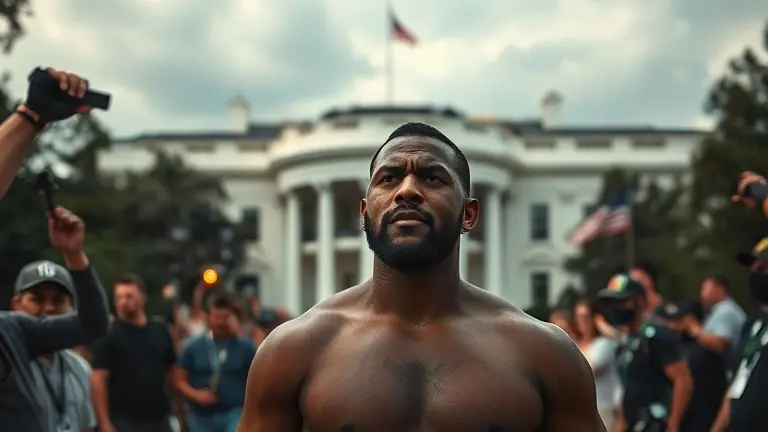
The line between combat sports entertainment and national political theater blurred significantly this week as reigning UFC middleweight champion Sean Strickland found himself at the center of an explosive confrontation at the UFC Freedom 250 fan festival. Held on the historic grounds of the Ellipse near the White House, the event was intended to be a high-profile convergence of elite athletics and government engagement. However, the atmosphere turned chaotic when Strickland, who had previously claimed he was barred from attending, attempted to force his way into the secure perimeter, resulting in a swift intervention by U.S. Park Police.
This incident has ignited a firestorm of speculation regarding the intersection of MMA, free speech, and corporate branding. While Dana White has refuted claims that the fighter was officially banned, Strickland’s aggressive ‘rebel’ persona has led many fans to question if this was a calculated move to challenge the UFC’s evolving relationship with political power. As we dissect the clash between who is Sean Strickland—the fighter who famously dismantled Israel Adesanya—and the rigid security protocols of a federal site, we must ask: is this the new reality for combat sports?
The UFC Freedom 250 Incident: Sean Strickland’s Washington Confrontation
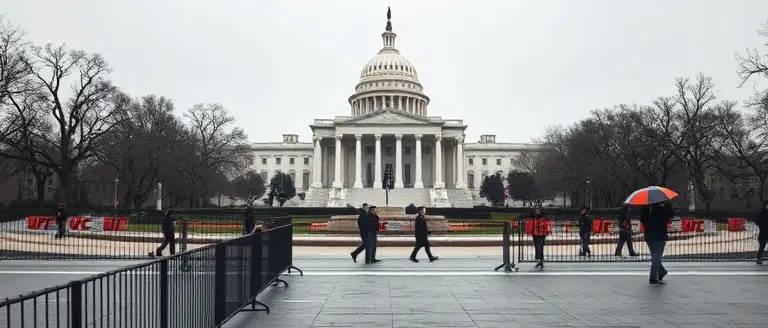
The atmosphere surrounding the UFC Freedom 250 event at the Ellipse reached a boiling point on June 14-15, 2026, when middleweight UFC star Sean Strickland was escorted off the premises by U.S. Park Police. The incident followed a week of public tension, during which the fighter alleged he had been formally banned from attending the high-security fan festival. These claims stood in direct contradiction to statements made by UFC CEO Dana White, who had previously denied the existence of any formal blacklist preventing Strickland from appearing at the government-sanctioned event.
A Timeline of Contradiction
The conflict centers on the disconnect between the fighter’s assertions and the organization’s official stance. To understand the gravity of the situation, consider the following timeline and documented points:
- Pre-Event Claims: Strickland publicly insisted he was prohibited from participating in UFC Freedom 250, attributing the alleged ban to his controversial political commentary and vocal opposition to certain high-level political figures.
- The Denial: Dana White dismissed rumors of a ban, suggesting that the event’s security parameters were standard for a location as sensitive as the area near the White House.
- The Confrontation: On the second day of the festival, Strickland attempted to access the restricted area. Authorities intervened, stating that his presence caused a “disorder” that necessitated removal to maintain public safety.
- The Resolution: According to reports from Yahoo Sports and the Los Angeles Times, no arrests were made; however, the fighter was physically escorted away from the site, marking a definitive end to his participation in the festivities.
While supporters argue that this move reflects a suppression of the athlete’s outspoken brand, official security protocols prioritize the maintenance of order at high-profile venues. Whether Strickland was truly banned or simply forced to adhere to strict logistical site requirements remains a subject of intense debate among MMA enthusiasts, further highlighting the growing intersection of professional combat sports and national political infrastructure.
Timeline of Events: From Alleged Ban to Removal

The controversy surrounding Sean Strickland and his presence at the UFC Freedom 250 event has been marked by a clear divergence between the fighter’s narrative and the official security protocols enforced at the site. The timeline of this incident reveals the complexities inherent when a high-profile middleweight UFC champion interacts with a high-security government venue near the White House.
Sequence of Contradictions
The situation escalated through a series of documented public statements and on-site maneuvers:
- Pre-Event Claims: In the days leading up to the June 14-15 gathering, Strickland utilized social media to assert that he had been formally banned from attending the festival. He alleged that his recent outspoken anti-Trump commentary made him a liability for the event organizers.
- The UFC Response: UFC CEO Dana White issued a direct rebuttal to these claims, stating that no formal ban had been issued against the fighter. MMA organizations and security partners emphasized that the event required specific credentials for access, and no personal vendetta existed against the athlete.
- The ‘Crash’ Attempt: On June 15, 2026, despite White’s clarifications, Strickland arrived at the Ellipse location. Eyewitness reports and subsequent coverage by the Los Angeles Times confirm that he attempted to enter the restricted area without the requisite clearance, leading to an immediate standoff with personnel.
- Police Intervention: According to official statements from the U.S. Park Police, Strickland was not arrested; however, he was escorted from the premises. Law enforcement noted that his presence was causing “disorder” and potential security risks in a sensitive area.
This sequence highlights the disconnect between individual perception and the rigid administrative reality of hosting a massive sporting exhibition at such a politically charged site. While some fans interpret his removal as a suppression of his rebellious brand, legal and security experts point to the necessity of maintaining order at federal properties, regardless of the athlete’s status within the combat sports hierarchy. The incident remains a focal point for debates regarding the intersection of personal branding and public security.
The Politicization of Combat Sports: A Case Study
The emergence of the UFC Freedom 250 fan festival at the Ellipse marks a significant departure from traditional sports promotion, signaling an era where combat sports are increasingly intertwined with national political infrastructure. By hosting a major event at the doorstep of the White House, the UFC has transformed from a purely commercial entity into a cultural platform where political narratives are front and center. Sean Strickland, a polarizing figure known for his unfiltered demeanor, has inadvertently become the focal point of this shift. His attempt to “crash” the event and subsequent removal by U.S. Park Police serves as a striking case study in how the middleweight UFC champion’s “rebel” brand conflicts with the highly controlled environments required for state-sponsored or politically aligned sporting events.
The friction seen at the Sean Strickland White House incident highlights several critical dilemmas regarding the future of MMA:
- Brand vs. Bureaucracy: Fighters like Strickland leverage authenticity and anti-establishment sentiment to build their fanbases, yet their unpredictable nature threatens the stability of high-security, politically sensitive corporate partnerships.
- The Blur of Entertainment: When promotion companies engage directly with government entities, “sports entertainment” risks becoming a tool for political posturing, leaving fans to question whether athletes are acting on genuine conviction or performing for a broader political audience.
- Safety and Order: The official police stance—citing a need to maintain order—contrasts sharply with the narrative of censorship often pushed on social media. This disparity underscores the challenge of hosting large-scale spectacles in venues where security protocols must take precedence over the individual brand identities of the athletes involved.
Ultimately, the controversy surrounding the Strickland incident reflects a broader trend: as MMA continues to grow in cultural influence, the line between an athlete’s individual free speech and the corporate-political agenda of their employer will continue to thin. This incident is not merely a localized clash; it is a preview of the complexities that arise when the raw intensity of the Octagon meets the rigid constraints of the political arena.
Strategic Rebellion or Brand Building? The Strickland Debate
The recent incident involving Sean Strickland at the UFC Freedom 250 event has ignited a fiery debate within the MMA community. As a prominent middleweight UFC figure known for his unfiltered personality, Strickland’s decision to attempt entry after claims of being banned—a narrative previously dismissed by Dana White—raises fundamental questions about his motivations. Is this a genuine act of ideological defiance, or is it a masterclass in modern digital brand-building?
The Mechanics of the ‘Rebel’ Brand
Strickland has cultivated an image that thrives on controversy. By positioning himself as an outsider, he creates a symbiotic relationship with a fanbase that values perceived authenticity over corporate polish. Analysts suggest that this specific brand of “rebellion” serves several strategic functions:
- Maintaining Relevance: By inserting himself into the high-profile narrative of a White House-adjacent event, he ensures his name remains at the top of trending cycles.
- Audience Consolidation: Aligning himself against established structures reinforces his connection with fans who share his anti-establishment rhetoric.
- Contrarian Marketing: Even when denied access by U.S. Park Police, the resulting viral imagery reinforces his “man against the system” persona, which is inherently marketable.
Genuine Dissent vs. Calculated Theater
While critics argue that his actions were merely a publicity stunt intended to overshadow the broader UFC Freedom 250 agenda, supporters view his appearance as a brave stand against the increasing political integration of combat sports. Unlike his historic rivalry with Israel Adesanya, which was framed strictly within the confines of professional competition, this incident transcends the Octagon. The contrast between his public persona and his standing within the UFC corporate hierarchy suggests a complex duality: he is simultaneously the organization’s most marketable wildcard and a significant logistical liability.
We want to hear from you: Was this a calculated maneuver to solidify his brand, or an authentic expression of dissent against the politicization of the sport? Join the conversation on our social media channels and weigh in on whether the Strickland incident was a bridge too far or the ultimate power move.
Mastering Your Own Arena
Whether you view the spectacle at the White House as a genuine act of rebellion or a masterclass in brand-building, one thing is clear: living life at such high intensity requires unwavering focus and sustained physical command. Just as elite athletes like Sean Strickland push their bodies to the absolute limit, every man navigating the stresses of modern life needs a foundation that supports consistent, peak performance.
While Strickland fights for his place in the spotlight, true longevity in any high-stakes arena requires more than just bravado—it requires the physical foundation to stay sharp and energized every single day. Protoflow is designed for the man who refuses to slow down, providing targeted support for prostate health and steady urinary flow. By ensuring your body functions at its best, you reclaim the masculine vitality and confidence necessary to face any challenge, whether you are in the octagon or the boardroom.
Don’t let physical discomfort hold you back; take control of your well-being today. Proactive health management is the ultimate edge for those who demand excellence in every area of their lives. Join the thousands who have chosen to optimize their performance and reclaim their energy.
 Don’t let physical discomfort hold you back; reclaim your vitality and perform at your peak with Protoflow.Transform My Life Today