
The global markets are breathing a collective sigh of relief as the June 15th US-Iran peace deal officially stabilizes the Strait of Hormuz, effectively cooling the hyper-volatile energy sector. With crude oil prices plummeting below $80 per barrel, we are witnessing a dramatic pivot from supply-chain anxiety to a widespread, bullish rally across the S&P 500, Nasdaq, and Dow. For months, the specter of $100/barrel oil acted as a suffocating weight on the American economy, feeding inflationary pressures that hit every corner of the consumer landscape, from the pump to the grocery store shelf.
However, the question on every household’s mind is not just about the immediate drop in gas prices today—it is about the lasting shift in our economic reality. While this diplomatic breakthrough is a monumental development, the “post-volatility” landscape remains complex. As supply chains recalibrate and the lag time between wholesale crude drops and retail savings plays out, savvy individuals are asking a more critical question: how can we immunize our household budgets against the next inevitable cycle of market uncertainty? Moving beyond the daily news cycle, we must now examine how to permanently secure our financial autonomy when external forces become unpredictable.
,slug:
The June 15th Breakthrough: US-Iran Peace Deal and the Oil Market Pivot
The global energy landscape shifted dramatically on June 15, 2026, following the historic announcement of a peace deal between the United States and Iran regarding the stability of the Strait of Hormuz. For months, the price of oil remained tethered to geopolitical tensions, with market analysts frequently warning of supply chain disruptions that kept crude oil prices hovering near the $100 per barrel mark. This uncertainty acted as a significant anchor on the broader economy, driving inflationary pressure and clouding the outlook for US industrial and consumer sectors alike. The sudden cooling of regional hostilities has effectively dismantled this “geopolitical risk premium,” triggering an immediate and aggressive market recalibration.
Market Reaction and Price Volatility
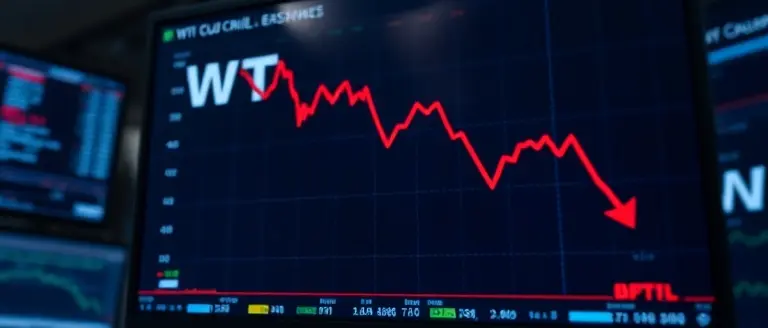
The response to the agreement was swift, as market participants pivoted from long-standing energy-supply anxiety toward sudden economic optimism. WTI crude experienced a sharp decline of roughly 5% intraday, falling below the critical $80 per barrel threshold. This move represents a major transition for the energy sector:
- Immediate De-escalation: The removal of the “Hormuz threat” has increased confidence in global supply routes, reducing the hedging costs previously embedded in the oil price.
- Equity Market Rally: The broader US equity markets, including the S&P 500 and Nasdaq, saw a synchronized surge as the prospect of lower energy input costs signaled relief for corporate margins.
- Inflationary Relief: By alleviating the cost of crude, the agreement serves as a deflationary tailwind, easing concerns about the aggressive monetary policies previously necessitated by high gas prices.
While prior forecasts from the Energy Information Administration (EIA) underscored the intense volatility surrounding 2026 energy markets, this breakthrough provides a stabilizing foundation. As oil prices today adjust to this new diplomatic reality, investors and consumers are now looking beyond the initial dip to assess whether this pivot will foster a sustainable, long-term cooling of the global energy cost structure.
Decoding the Ripple Effects: Beyond the Crude Oil Dip
The sharp correction in crude oil prices following the June 15, 2026, US-Iran peace agreement serves as a clear signal that markets are pricing in a significant reduction in geopolitical risk. As global benchmarks like WTI crude retreated from their near-$100 peaks, the immediate reaction across US equity markets was one of renewed optimism. Investors are interpreting this stabilization in the Strait of Hormuz not just as an energy-sector development, but as a critical catalyst for macroeconomic relief. By easing supply-side bottlenecks, this deal effectively lowers the “inflationary tax” that has burdened both consumer purchasing power and corporate profit margins for the better part of the year.
Market Rally and Corporate Outlook
The broad rally across the S&P 500, Nasdaq, and Dow Jones Industrial Average highlights a pivot in sentiment from supply-chain anxiety to growth potential. When the price of oil remains elevated, energy-intensive industries—ranging from transportation and logistics to manufacturing—face immediate margin compression. The recent shift in oil prices today provides a direct tailwind for these sectors:
- Operational Cost Reduction: Lower energy inputs directly improve the bottom lines of companies reliant on shipping and heavy logistics.
- Inflationary Cooling: With energy prices serving as a primary driver of the Consumer Price Index (CPI), a downward trend in fuel costs allows for more predictable household spending.
- Sector Rotation: Increased investor confidence is pushing capital back into consumer discretionary and tech stocks, as the fear of aggressive, inflation-fighting interest rate hikes wanes.
While the market’s enthusiasm is evident, analysts suggest that the long-term impact on gas prices and inflation will depend on how quickly these supply-side assurances transition into physical infrastructure stability. As the volatility of the oil price subsides, the primary focus for market participants now shifts from hedging against energy spikes to evaluating which sectors are best positioned to leverage reduced operational expenses for long-term capital investment.
The Gas Pump Lag: When to Expect Relief at Your Local Station

While the sharp decline in crude oil prices following the June 15 US-Iran peace deal has sparked immediate optimism in equity markets, consumers often wonder why retail gas prices do not plummet at the same velocity. The “gas pump lag” is a well-documented economic phenomenon caused by the complex supply chain transition from raw commodity to consumer product. When oil prices drop—such as the recent fall of WTI crude below the $80 per barrel threshold—it takes time for the lower costs to work through the refining, wholesale, and retail distribution systems.
Understanding the Refining and Distribution Pipeline
The journey from a barrel of crude to a gallon of gasoline involves several distinct stages that buffer against instant retail price changes.
- Inventory Turnover: Retailers typically hold several days or weeks of fuel inventory purchased at higher price points. They must sell through this existing stock before they can lower pump prices without incurring immediate financial losses.
- Refinery Throughput: Refineries operate on complex schedules. The gasoline currently being pumped was often processed from oil purchased weeks ago at the previous, more expensive market rates.
- Logistics and Delivery: Regional distribution hubs and local trucking networks add further delays. Even after wholesale prices fall, it can take 7 to 14 days for these savings to materialize at the local station level.
Economic data suggests that while the price of oil acts as a leading indicator for retail costs, local station owners also factor in regional taxes, competitive density, and delivery logistics. As the market stabilizes under the new geopolitical landscape, consumers should expect a gradual downward trend in national gas averages. Patience is required; while the wholesale sector reacts to the news of the peace deal in real-time, the consumer-facing market usually trails by nearly two weeks, meaning significant relief should become more apparent at the pump by late June.
Market Forecast: From Inflationary Pressure to Economic Stabilization

The June 15, 2026, announcement of the US-Iran peace deal represents a structural pivot point for the global economy. By securing the Strait of Hormuz—a vital maritime chokepoint for global energy supplies—this agreement functions as a major deflationary force. Prior to this development, the price of oil had drifted toward $100 per barrel, fueling persistent inflationary pressure that complicated the Federal Reserve’s monetary policy. With crude oil prices retreating below the $80 threshold, the immediate market reaction reflects a transition from supply-side anxiety to renewed economic optimism, suggesting that the “energy tax” on the US consumer is finally set to ease.
Long-Term Economic Ripple Effects
The stabilization of energy markets carries profound implications for the remainder of 2026. As the volatility premium is stripped out of energy trading, we anticipate several downstream effects on the US economy:
- Consumer Spending Power: Lower fuel costs function as an effective tax cut for households. Historical data indicates that when gas prices fall, discretionary spending in retail and travel sectors typically accelerates within a single fiscal quarter.
- Inflationary Outlook: Energy costs are a primary component of the Consumer Price Index (CPI). A sustained decline in oil prices reduces transportation and production expenses, which will likely dampen the headline inflation rate in the coming months.
- Corporate Margin Expansion: Industries sensitive to logistics—such as manufacturing and freight—will see immediate relief in operating expenses, likely leading to more favorable earnings guidance across the S&P 500.
While the market is currently cheering the rapid drop in oil prices today, investors should remain cautious regarding the “lag time” associated with these moves. While wholesale commodities react instantly, local pump prices and consumer-facing goods often take 30 to 60 days to fully adjust to the lower cost basis. As supply chains recalibrate to this geopolitical detente, the focus will shift from crisis management to sustained economic expansion, potentially altering the trajectory of interest rates for the remainder of the year.
Reclaiming Financial Autonomy in a Shifting Economy
While the recent breakthrough in the Strait of Hormuz offers a much-needed reprieve from record-breaking energy costs, seasoned homeowners know that economic stability is rarely permanent. Relying on global supply chains and volatile market conditions to dictate your cost of living is a gamble you don’t have to take. True financial resilience isn’t just about waiting for gas prices or inflation to drop; it is about building the capacity to produce value within your own four walls, insulating your household from the unpredictability of the retail market.
As we navigate this new era of energy relief, the most strategic move is to pivot from passive consumption to active creation. By eliminating the middleman and the overhead costs of logistics, energy-heavy manufacturing, and retail markup, you keep your hard-earned money exactly where it belongs: in your pocket. Investing in your own skill set—specifically in high-quality craftsmanship—is the ultimate hedge against future inflationary spikes and supply chain shocks, transforming your home from a mere expense into an asset of lasting, functional value.
Now is the time to build your own defensive financial strategy by mastering professional-grade techniques that turn raw materials into high-end home essentials. Don’t let market trends dictate your home’s quality or your wallet’s depth. Secure your path to long-term self-sufficiency and discover how easy it is to replace retail dependency with your own skilled labor.
 Take control of your home budget today by accessing 16,000 professional-grade project plans that keep your money in your pocket.Yes, I Want To Save Money Today!