
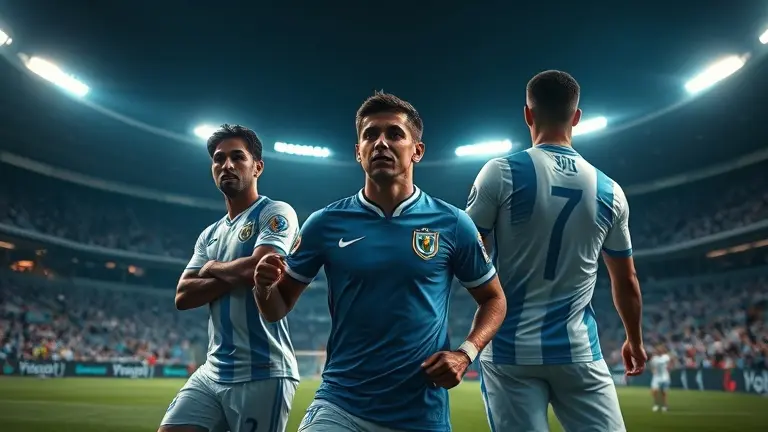
The atmosphere at Hard Rock Stadium on June 15 was electric, but as the final whistle blew on the KSA vs Uruguay group stage opener, the conversation shifted from the noise of the crowd to the quiet intensity of tactical scrutiny. In a match that demanded razor-sharp focus from both managers, the 1-1 deadlock—cemented by Ronald Araujo’s late, clinical intervention—did more than just split the points; it unveiled the underlying structural identities of two teams vying for dominance in a wide-open Group H. For the Uruguay national football team, Marcelo Bielsa’s high-pressing philosophy was put to the test, while Saudi Arabia proved they are no longer just spoilers on the world stage, but a disciplined, tactically sound unit capable of neutralizing global powerhouses.
As we dissect the aftermath, it becomes clear that this wasn’t merely a contest of skill, but a high-stakes chess match where every transition and defensive rotation could dictate the eventual path to the knockout rounds. To truly grasp the implications of this Saudi Arabia vs Uruguay World Cup 2026 encounter, fans must move beyond the box scores. It requires an analytical mindset to decode how these setups will evolve, forcing us to consider not just what happened, but what these tactical patterns signal for the remainder of the tournament.
Tactical Breakdown: KSA vs. Uruguay at Hard Rock Stadium
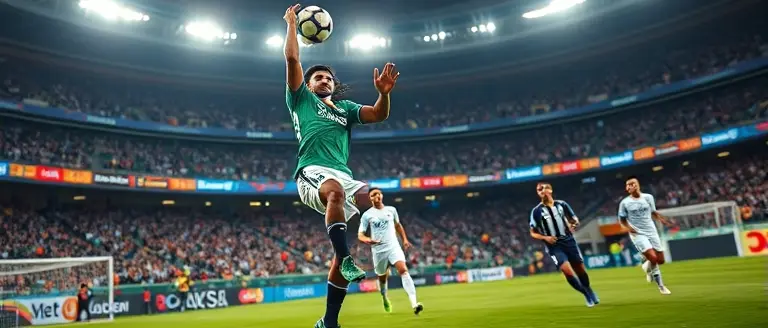
The Group H opening fixture at Hard Rock Stadium served as a masterclass in contrasting footballing philosophies. KSA entered the match with a disciplined, low-block defensive structure designed to neutralize the high-intensity pressing favored by the Uruguay national football team. Throughout the first 70 minutes, Saudi Arabia successfully disrupted the rhythm of Marcelo Bielsa’s squad by clogging the central channels and forcing play toward the flanks. By limiting space for Uruguay’s dynamic midfielders, the Saudi side effectively stifled the build-up play that usually defines Uruguay soccer, creating a blueprint for how mid-tier nations can frustrate tournament favorites in the expanded 2026 World Cup format.
Tactical Shifts and the Araujo Equalizer
As the match progressed, the tactical chess match reached a boiling point. Bielsa’s late-game adjustments—specifically shifting to a more aggressive, vertical approach—finally pierced the Saudi rearguard. The turning point arrived when Ronald Araujo pushed higher into the final third, exploiting gaps left by a tiring Saudi midfield. His late equalizer was not merely an individual moment of brilliance but the direct result of sustained pressure and a tactical gamble that forced a breakdown in the Saudi defensive shape.
Key takeaways from the Saudi Arabia vs. Uruguay tactical battle include:
- Midfield Containment: KSA’s ability to force turnovers in the middle of the pitch disrupted Uruguay’s transition speed.
- Defensive Resilience: The Saudi backline maintained high levels of concentration until the final minutes, proving that tactical discipline remains a cornerstone of their progression strategy.
- Bielsa’s Versatility: The Uruguay manager’s late-game rotation underscored the depth of the Uruguay roster, proving they can recover points even when faced with organized low-block defenses.
This draw forces both teams to re-evaluate their Group H advancement scenarios. While Uruguay will look to refine their efficiency in the final third, KSA has proven that their competitive ceiling is higher than previous tournament appearances might suggest. Future matchups will likely see opponents adopting the Saudi blueprint, forcing a tactical evolution in how Bielsa manages his side’s energy across full 90-minute stretches.
Bielsa’s Tactical Setup vs. Saudi Arabia’s Defensive Discipline

The Saudi Arabia vs. Uruguay clash at the Hard Rock Stadium served as a definitive masterclass in tactical contrast, pitting Marcelo Bielsa’s trademark high-intensity attacking philosophy against a masterfully disciplined, low-block defensive structure from KSA. Bielsa, known for his relentless pressing and vertical passing lanes, initially struggled to dismantle a Saudi side that prioritized compact spacing and numerical superiority in the middle third. By clogging the half-spaces, the Saudi backline successfully limited the creative influence of the Uruguay national football team in the final third, forcing the South American giants to rely on wide distribution rather than central penetration.
Breakdown of Defensive Transitions
The effectiveness of the Saudi game plan was evident in their transition phases. Whenever Uruguay soccer players attempted to transition from defense to attack, the Saudi midfield unit dropped into a rigid defensive shape that stifled momentum. Key observations from this tactical standoff include:
- Zone Marking Efficiency: Saudi Arabia’s ability to maintain a narrow back-four significantly reduced space for Uruguay’s mobile strikers, frustrating high-pressure attempts.
- Tactical Flexibility: KSA’s willingness to concede possession proved vital, as it forced Uruguay into uncomfortable long-range shooting situations.
- The Araujo Factor: Despite the defensive rigidity, Uruguay eventually found success through aerial prowess, with Ronald Araujo providing the late equalizer that bypassed the structured block.
This match highlighted that even against elite, high-pressing systems, a highly disciplined defensive unit can force a stalemate. While Uruguay dominated the ball, the Saudi strategy turned the match into a grueling war of attrition. Ultimately, the draw underscores the evolving tactical landscape of the 2026 World Cup, where compact, well-drilled defensive setups remain a potent threat to even the most ambitious attacking outfits.
The Road to the Round of 32: Impact of the Draw on Group H

The deadlock between KSA and Uruguay at Hard Rock Stadium has fundamentally altered the arithmetic of Group H, turning the remaining fixtures into high-stakes encounters. With both teams securing a single point in this Saudi Arabia vs Uruguay World Cup 2026 opener, the pressure to secure a win against the group’s remaining opponents has intensified. For the Uruguay national football team, the late equalizer from Ronald Araujo was not just a morale booster; it was a tactical lifeline that prevents them from entering their next match in a must-win scenario. However, the draw leaves little margin for error, as goal difference will likely become the primary tie-breaker for advancement into the Round of 32.
Tactical Implications and Advancement Scenarios
The performance displayed by both sides offers a preview of their long-term viability in the tournament. Uruguay soccer fans witnessed a team that struggled early to break down a disciplined defensive block, highlighting potential vulnerabilities against counter-attacking sides. Conversely, Saudi Arabia proved they possess the tactical discipline and physical stamina to compete with top-tier South American opposition.
Key factors influencing the path to the knockout stages include:
- The “Bielsa Effect”: Uruguay’s high-intensity pressing system under Marcelo Bielsa demands immense fitness; failing to secure three points early forces the team to manage player fatigue across a condensed schedule.
- KSA’s Defensive Resilience: If the Saudi side maintains this level of structural integrity, they are well-positioned to frustrate opponents in low-scoring draws, which could be enough to see them through if other group results remain tight.
- Fixture Pressure: Both teams must now approach their subsequent games with a focus on clinical finishing, as a second draw could leave their fate in the hands of third-party results.
Ultimately, while the point is valuable, both managers must now address the efficiency gaps exposed during this match. The ksa defensive unit successfully neutralized key threats, but they must capitalize on possession transitions to avoid being overwhelmed by more aggressive tactical setups in the coming weeks.
Key Takeaways and Future Scenarios for KSA
The Saudi Arabia performance against the Uruguay national football team at Hard Rock Stadium served as a definitive statement of intent for the KSA squad in this expanded World Cup 2026. By securing a hard-fought draw against a tactical powerhouse managed by Marcelo Bielsa, the Saudi side demonstrated remarkable defensive discipline and the ability to absorb high-intensity pressure. While the late equalizer by Ronald Araujo denied them a clean sheet, the overall organization of the Saudi defense suggests that they are well-equipped to handle the physical demands of elite-level international soccer.
Tactical Adjustments and Midfield Evolution
To maximize their chances of progressing from Group H, the Saudi coaching staff must prioritize refining their midfield transition. While the team was effective in deep-block positioning, they often struggled to connect the back line to the final third during counter-attacking phases. Evidence from the match indicates that the following adjustments are critical for upcoming fixtures:
- Verticality in Transition: Players must focus on faster progressive passing immediately after winning possession to bypass the aggressive Uruguayan press.
- Control in Possession: Midfielders need to increase their passing accuracy under pressure to alleviate the heavy load on the defensive line.
- Support for the Striker: Creating more space for solitary forwards through late runs from the midfield will be essential against teams that sit deeper than Uruguay.
With the group standings now tightly contested, the result of this Saudi vs Uruguay match provides a foundational point that could prove decisive. If KSA can maintain this defensive integrity while finding more fluidity in their transition play, they remain a formidable candidate to reach the knockout rounds. The focus must now shift to exploiting the gaps in the next opponent’s defensive structure, ensuring that their tactical adaptability evolves alongside the tournament’s increasing intensity.
Mastering the Tactics of the World Cup
The draw between KSA and Uruguay underscores a critical truth: in the modern, expanded World Cup, success belongs to those who can read the game with absolute precision. Whether it is evaluating Bielsa’s defensive transitions or analyzing Saudi Arabia’s disciplined shape, the ability to synthesize complex tactical information is what separates a casual observer from a true football strategist. Just as a manager needs complete clarity to read the game in real-time, fans who want to anticipate advancement scenarios must possess sustained mental focus and a sharp, distraction-free mind.
This is where your ability to process the game shifts into a higher gear. Analyzing intricate Group H scenarios requires mental stamina that many fans lack, leaving them prone to cognitive fatigue. By integrating The Brain Song into your match-day routine, you gain the mental clarity necessary to dissect tactical setups and predict game-changing moments before they unfold. Think of it as a tactical trainer for your brain, designed to sharpen your focus so you never miss the subtle shifts that define tournament-winning performances.
It is time to elevate your engagement with the beautiful game and process high-level tactical data with professional-grade clarity. Step into the role of an analyst and stay ahead of the narrative as Group H heats up.
 Sharpen your tactical insight: Integrate the 12-minute audio routine into your match-day prep to analyze Group H with total clarity.Sharpen My Analytical Mind Now!