
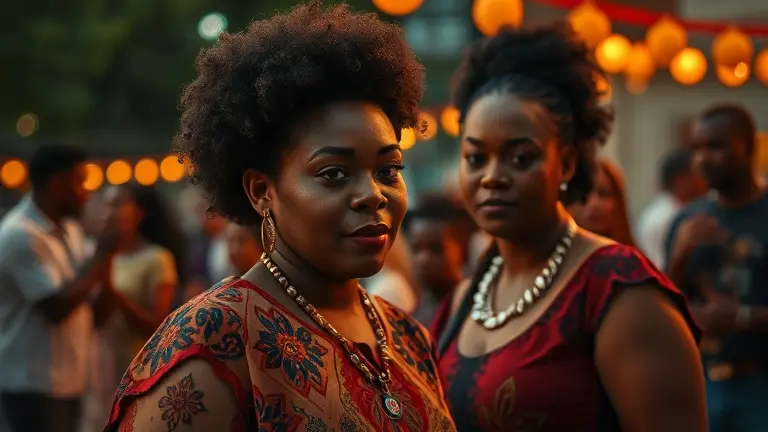
As June 19th approaches, the spirit of Juneteenth transcends mere historical reflection, evolving into a vibrant call for active community engagement and intergenerational storytelling. While food, literature, and art remain central to our commemorative traditions, there is a profound power in the spaces where these celebrations unfold. By building our own gathering places, we do more than provide seating; we construct the physical foundations for the conversations and connections that honor the resilience of 1865 while fostering unity for the future.
This year, as you plan your family reunions and neighborhood festivities, consider the legacy you are leaving behind. Beyond the recipes and the history lessons, the true essence of the holiday lies in how we curate our environments to facilitate togetherness. Transforming a backyard or a community plot into a welcoming, artisanal hub is a meaningful way to bridge the gap between cultural heritage and modern-day leisure, ensuring that our collective memory has a permanent, tangible home.
Understanding the 2026 Juneteenth Landscape: Beyond the Basics

As we approach June 19, 2026, the national discourse surrounding Juneteenth has matured significantly. Moving past introductory definitions, this year’s commemorations are defined by a shift toward intentional cultural reflection and active, multi-generational participation. The landscape is no longer just about recognizing a singular date in 1865; it is about examining how that history informs contemporary leisure practices, artistic expression, and community-building efforts. In 2026, Americans are prioritizing deeper engagement, seeking to understand the “why” behind the holiday through the lens of lived experience and oral histories.
This evolution emphasizes a dual approach: balancing the solemnity of historical struggle with the necessity of collective joy. Modern celebrations now function as experiential classrooms where the past is honored through tangible heritage. To engage meaningfully with the 2026 landscape, participants are focusing on these three pillars:
- Cultural Heritage Preservation: Moving beyond generic observations by participating in guided Black history storytelling sessions that connect regional narratives to the broader struggle for freedom.
- Culinary Narrative Exchanges: Treating Juneteenth recipes not merely as food preparation, but as ancestral storytelling. Experts and families alike are documenting the origins of traditional red-hued dishes, providing a sensory connection to the significance of the holiday.
- Community-Led Integration: Prioritizing local, grassroots events that foster cross-generational dialogue. Whether through art installations or community workshops, the focus remains on transforming leisure into a medium for long-term cultural transmission.
By shifting our focus toward these active forms of celebration, we ensure that Juneteenth remains a vibrant, evolving testament to resilience. This year’s events offer an unparalleled opportunity to bridge the gap between historical awareness and modern-day civic participation, proving that the most enduring way to commemorate history is to integrate its lessons into the fabric of our daily lives and communal gatherings.
The Cultural Significance of Juneteenth Culinary Traditions

The culinary traditions surrounding Juneteenth serve as a profound vessel for oral history, grounding modern-day celebrations in the resilience of West African ancestors. More than just a festive menu, these dishes function as a tangible link to the past, with specific ingredients chosen for their symbolic association with emancipation, prosperity, and the endurance of the human spirit. The prevalence of red-hued foods—such as hibiscus tea, strawberry soda, and watermelon—is widely understood by historians as a direct nod to the spiritual and cultural legacy brought to the Americas from West Africa, where red symbolizes both strength and the blood sacrifice of those who fought for liberation.
Symbolic Ingredients and Their Legacy
Integrating heritage into your 2026 Juneteenth commemoration involves understanding the specific narratives tied to traditional foodways. These ingredients were often what formerly enslaved individuals could grow, forage, or access, turning humble harvests into communal feasts of defiance and joy.
- Hibiscus (Red Drink): Often prepared as a tea or punch, this vibrant beverage traces its lineage back to the West African bissap. It represents the resilience of diaspora culture and the preservation of identity amidst the trauma of enslavement.
- Watermelon: While often subjected to harmful stereotypes in mainstream media, within the context of Juneteenth, it is reclaimed as a symbol of economic independence. For many formerly enslaved people, cultivating and selling watermelons provided the first tangible taste of fiscal autonomy.
- Collard Greens and Black-Eyed Peas: These staples are deeply rooted in the concept of “good luck” and prosperity. Collard greens symbolize wealth and economic growth, while black-eyed peas represent abundance and the hope for a bountiful future in a post-emancipation landscape.
By engaging with these traditions through storytelling rather than mere consumption, families transform their holiday gatherings into educational opportunities. These recipes serve as a living curriculum, allowing elders to share stories of how ancestors navigated the transition to freedom, making the history of 1865 feel immediate, accessible, and deeply personal.
Community Celebration Toolkit: Intentional Ways to Participate
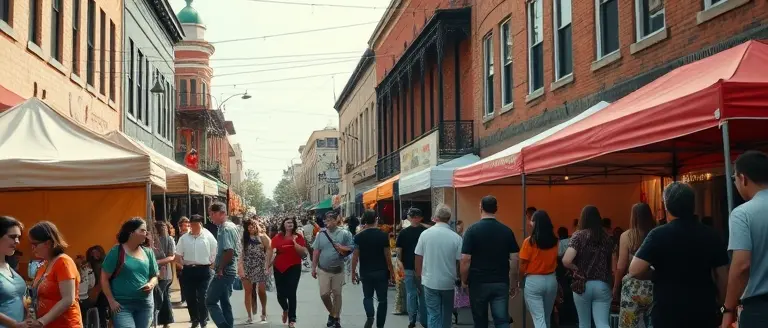
Participating in Juneteenth is most impactful when you approach the day with a clear sense of purpose. Rather than simply attending the nearest gathering, curating your experience allows you to engage deeply with the legacy of 1865 while fostering meaningful cross-generational dialogue. To move beyond surface-level participation, we have developed a framework for selecting local events that align with your desire for cultural heritage and community growth.
Categorizing Your Engagement
When searching for local Juneteenth programming, look beyond generic listings. Categorize potential events by their specific intent to ensure your leisure time contributes to a broader understanding of Black history:
- Educational Workshops: Seek out seminars or panel discussions led by local historians or archivists. These events often provide a platform for oral histories that are rarely found in traditional textbooks, offering profound insights into the local impact of emancipation.
- Arts and Culture Festivals: Support local creatives by attending exhibitions showcasing Black music, dance, and visual arts. Art acts as a vital medium for storytelling, bridging the gap between historical resilience and contemporary creative expression.
- Community-Led History Walks: These walking tours provide a spatial connection to the past. By visiting landmarks and significant sites within your own neighborhood, you gain a tangible understanding of the local struggles and triumphs that defined the journey toward liberation.
Curating a Meaningful Experience
Your participation should be an active practice. Whether you are engaging with traditional Juneteenth dishes—which often carry deep, symbolic histories regarding resilience—or volunteering at a community-organized event, the goal is intentionality. By choosing activities that prioritize education, artistic engagement, and communal reflection, you transform the federal holiday into a living, breathing experience that reinforces the spirit of freedom and legacy in 2026. Prioritize events that emphasize sustainable community building over temporary festivities to ensure your contribution leaves a lasting positive footprint.
Family-Friendly Education: Engaging the Next Generation

Transforming Juneteenth from a static date on the calendar into a meaningful family tradition requires moving beyond textbook definitions toward experiential learning. For parents and educators, the goal is to bridge the gap between 1865 and the present day by humanizing the journey of emancipation. By prioritizing Black history storytelling, families can cultivate an environment where children feel connected to the resilience and joy that define the holiday. Start by curating a selection of age-appropriate literature; contemporary picture books and oral history anthologies offer a vibrant, accessible entry point that makes historical events feel personal rather than abstract.
Strategies for Active Cultural Engagement
To deepen your family’s understanding, consider integrating the following practices into your June 19 traditions:
- Visit Local Landmarks: Many regions now feature historical markers or exhibits that document local contributions to the freedom movement. Mapping these sites turns an afternoon walk into a tangible history lesson.
- Engage with Oral Traditions: Reach out to local cultural centers to see if they are hosting storytelling workshops. Hearing firsthand accounts of family legacies creates a lasting emotional resonance that reading alone cannot replicate.
- Curate Heritage Menus: Incorporate traditional foods like red velvet cake, hibiscus tea, or strawberry soda into your celebration. Discussing the cultural significance of these dishes allows children to understand how culinary traditions served as vital carriers of community identity during and after the Reconstruction era.
By focusing on these interactive elements, you move the conversation toward community building and active remembrance. Engaging the next generation is not about overwhelming them with the trauma of the past, but rather empowering them with the context necessary to honor the endurance of the human spirit. Whether visiting a museum, participating in a community festival, or simply cooking a heritage-rich meal at home, every action serves as an important act of education that honors the true legacy of June 19.
Building a Legacy That Lasts for Generations
Juneteenth is a celebration of freedom, progress, and the enduring strength of the human spirit. While we often focus on the meals we share and the stories we tell, the physical environment we cultivate serves as the silent witness to these important communal milestones. By intentionally designing and building the spaces where our families gather, we weave our own craftsmanship into the historical fabric of the holiday, creating heirloom pieces that serve as lasting focal points for years to come.
Beyond the history and the food, one of the most rewarding ways to honor Juneteenth is by creating physical gathering spaces that bring your community closer together for generations to come. Whether you are constructing a sturdy farmhouse table for a reunion feast or custom benches for an outdoor storytelling circle, the act of creation itself becomes a deeply personal tribute to those who came before us.
Ted’s Woodworking acts as your cultural preservation facilitator, providing the professional-grade plans needed to turn your vision into a reality. By utilizing these workshop-tested blueprints, you bridge the gap between historical awareness and active, family-centered community building, ensuring your celebration is rooted in quality, intentionality, and craftsmanship.
 Start your community legacy project today with these workshop-tested plans designed to bring people together.Build My Legacy Today!