

As the WNBA season intensifies, the June 15th Commissioner’s Cup clash between the Portland Fire and the Minnesota Lynx has become the focal point for analysts and bettors alike. With the Lynx sitting at 10-3 and boasting an elite 8-1 record against the spread, the narrative surrounding this game extends far beyond simple gambling lines. Coming off a razor-thin defeat to the defending champion Las Vegas Aces, Minnesota enters this matchup with a point to prove, while Portland finds themselves at a critical 7-8 juncture. The question isn’t just who wins, but whether the Fire can survive the tactical onslaught that awaits them.
The central theater of this game lies in the matchup between Portland’s defensive rotations and Minnesota’s breakout star, Olivia Miles. While the public looks at the -13.5 point spread as a static number, the real story is the high-stakes chess match occurring on the hardwood. To stay within striking distance, the Fire must move past standard man-to-man coverage and implement sophisticated blitzing schemes to neutralize Miles’ court vision. Understanding this level of nuance requires the same depth of focus as the tactical playbooks themselves, turning this game into a high-level study for the true basketball connoisseur.
The Commissioner’s Cup Stakes: Fire vs. Lynx Context

The June 15, 2026, fire vs lynx matchup carries significant weight, not just for the standard WNBA standings, but for the high-stakes Commissioner’s Cup framework. As the mid-season tournament progresses, every game serves as a critical junction for teams vying for tournament supremacy and postseason positioning. Currently, the Minnesota Lynx enter this contest with a commanding 10-3 record, positioning themselves as a league powerhouse, while the Portland Fire struggle to find consistency at 7-8.
Why This Matchup Matters for the Commissioner’s Cup
For the Lynx, this game represents a vital bounce-back opportunity. Following a heart-wrenching, narrow loss to the defending champion Las Vegas Aces, Minnesota is looking to reassert its dominance. Their 8-1 record against the spread in their last nine games highlights a team that is not only winning but consistently outperforming market expectations. For the Fire, a win would be a resume-defining moment, providing a much-needed momentum shift as they look to climb above .500 and secure a favorable playoff seed.
Key factors driving the intensity of this game include:
- Tournament Seeding: The Commissioner’s Cup standings are tight, and a loss here could effectively end either team’s pursuit of the tournament prize.
- Tactical Response: Minnesota is aiming to stabilize their offensive flow following the physical defensive pressure exerted by the Aces.
- Betting Market Volatility: With the Lynx opening as -13.5 point favorites, the game has become a focal point for bettors analyzing whether Portland can execute a defensive scheme effective enough to keep the point spread within single digits.
- Playoff Trajectory: For Portland, hovering at 7-8, this is a “must-win” scenario to avoid falling into the lower tier of the conference standings, making their defensive intensity a primary narrative to watch.
The tactical battleground for this fire vs lynx encounter centers on Minnesota’s perimeter execution. If Portland cannot solve the Lynx’s backcourt rotation, they risk a blowout that could derail their confidence for the remainder of the regular season.
Tactical Breakdown: How the Fire Can Disrupt the Spread
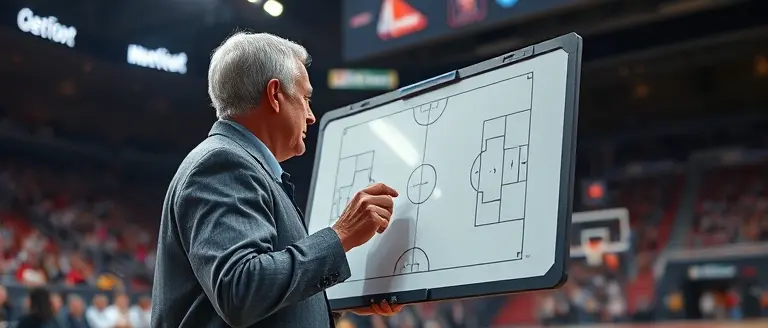
The daunting -13.5 point spread favoring the Minnesota Lynx reflects their offensive dominance, but the Portland Fire have a narrow tactical window to keep this Commissioner’s Cup matchup competitive. To beat the spread, Portland must pivot away from standard man-to-man coverage, which Minnesota’s high-efficiency sets exploit with ease. Instead, the Fire’s coaching staff must prioritize a sophisticated “switching” defensive scheme. By rotating defenders aggressively on the perimeter, Portland can negate the Lynx’s off-ball screen actions, forcing the Minnesota ball-handlers to settle for contested isolation jumpers rather than high-percentage looks inside the paint.
Neutralizing the Lynx Offensive Engine
A primary tactical imperative for Portland involves neutralizing Olivia Miles. As the focal point of the Lynx attack, Miles thrives on broken plays and transition opportunities. To disrupt her rhythm, the Fire must implement a “blitz” strategy on high pick-and-rolls, forcing the ball out of her hands early in the shot clock. This approach carries inherent risks, but it is necessary to prevent Minnesota from settling into their preferred rhythm.
Key defensive adjustments the Fire must execute to cover the spread include:
- Forcing Turnovers: Portland must aggressively trap the baseline to force errant passes, turning defensive stops into fast-break points to close the scoring gap.
- Disciplined Transition Defense: Preventing second-chance points is vital; the Fire must prioritize crashing the defensive glass to limit Minnesota’s ability to exploit mismatches after a missed shot.
- Controlling the Pace: By extending possession time and minimizing live-ball turnovers, Portland can limit the number of total possessions, effectively shortening the game and making that 13.5-point margin much harder for the Lynx to overcome.
Ultimately, keeping this game within single digits requires the Fire to play with heightened physicality. If they can disrupt the timing of Minnesota’s offensive sets and maintain defensive discipline, they have a viable path to beating the betting expectations.
Player Spotlight: The Rise of Olivia Miles

The emergence of Olivia Miles as the engine of the Minnesota Lynx offense has been one of the most compelling narratives of the 2026 WNBA season. Far from being just a statistical anomaly, Miles has evolved into a cerebral floor general who dictates the cadence of the game. Her ability to operate within the high-post and facilitate out of the pick-and-roll has forced opposing defenses into constant rotation, a tactical demand that will be tested heavily in the upcoming fire vs lynx matchup.
Tactical Impact and Perimeter Dynamics
Miles’ rise is defined by her rare combination of elite court vision and an increasingly reliable mid-range jump shot. While many observers look toward the betting lines for the Commissioner’s Cup clash, the true story lies in how Miles exploits space. Against the Portland Fire’s perimeter defense, her role as a primary playmaker becomes the critical pivot point:
- Pressure Management: Miles has shown an uncanny ability to split double-teams, a skill the Fire must neutralize to stay competitive.
- Tempo Control: By managing the transition game, she effectively minimizes the opposition’s ability to set their half-court defense.
- Secondary Playmaking: Her gravity forces defenders to collapse into the paint, creating high-percentage looks for Lynx shooters on the wing.
For the Portland Fire to defy the current spread, their defensive scheme must prioritize disrupting Miles’ rhythm at the point of attack. If the Fire commit too many resources to containing her penetration, they risk leaving the Lynx’s perimeter shooters wide open—a gamble that has historically proven fatal for teams facing Minnesota. Miles is not merely playing for points; she is orchestrating a sophisticated system that makes the Lynx a formidable contender for the title. Her individual battle against Portland’s defensive front will likely define the game’s final outcome far more than any prop bet or analytical projection suggests.
Defensive Schemes and Matchup Dynamics
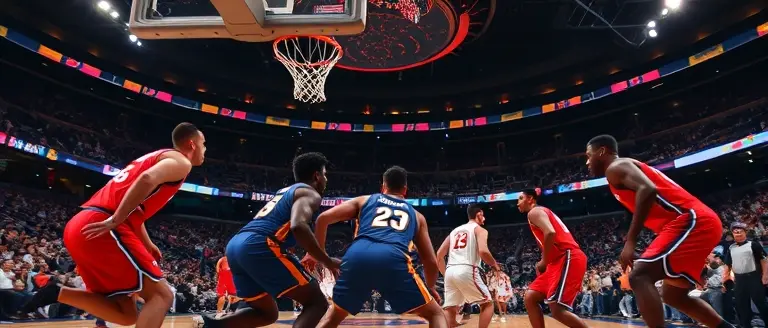
The tactical narrative surrounding the fire vs lynx matchup on June 15, 2026, centers on whether Portland’s coaching staff can neutralize Minnesota’s high-octane transition offense. The Minnesota Lynx have maintained an impressive 8-1 record against the spread largely due to their suffocating transition defense, which forces opponents into stagnant, half-court sets where the Lynx’s length can dictate terms. To remain competitive and potentially cover the -13.5 point spread, the Fire must shift away from perimeter-heavy isolation plays and instead prioritize interior passing lanes that exploit the aggressive over-rotation of Minnesota’s defenders.
Exploiting the Interior Rotation
The Fire’s best path to success involves targeting the gaps in Minnesota’s rim protection during defensive scrambles. When the Lynx aggressively trap perimeter stars, their interior defenders are often forced to slide, leaving the weak-side paint vulnerable. Key strategic imperatives for Portland include:
- High-Low Action: Utilizing the high post to draw out Minnesota’s anchors, creating immediate cutting lanes for back-door scoring opportunities.
- Secondary Break Execution: Limiting live-ball turnovers is non-negotiable; the Fire must prioritize safe, deliberate offensive sets to prevent the Lynx from capitalizing on their lethal transition game.
- Neutralizing Olivia Miles: Defensively, the Fire must assign a dedicated wing shadow to Olivia Miles, forcing her into contested mid-range shots rather than allowing her to facilitate the flow of the Lynx’s motion offense.
While the betting market heavily favors the Lynx due to their recent consistency, this Commissioner’s Cup contest serves as a proving ground for the Fire’s tactical discipline. If Portland can dictate the pace and force Minnesota into a grinding, possession-by-possession battle, the significant point spread becomes much more manageable. The outcome will ultimately rest on whether the Fire can maintain defensive rotation integrity against the sophisticated, multi-faceted attacks orchestrated by Minnesota’s frontcourt.
Mastering the Analytical Edge
Whether you are dissecting the Fire’s defensive adjustments or forecasting the potential breakout games within the Commissioner’s Cup, one truth remains: elite analysis requires elite mental stamina. Much like the tactical precision required by the Fire to execute their defensive scheme against Olivia Miles, maintaining deep focus throughout a high-stakes basketball game demands peak cognitive clarity. To truly gain an advantage, you must rise above the generic noise and engage with the game at a professional, analytical level.
This is where The Brain Song becomes an indispensable asset for the serious fan. Designed for the analytical mind, our neuroscience-based auditory routine helps sharpen cognitive function and eliminates mental fatigue during deep study sessions. By integrating this tool into your scouting workflow, you aren’t just watching a game; you are enhancing your capacity to process complex data, identify patterns, and make informed, high-conviction decisions in real-time. It is the natural evolution for any fan who treats the sport as a serious, cognitive pursuit.
Elevate your analytical performance and sharpen your focus before the opening tip-off by integrating our unique auditory routine into your game-day preparation. Experience the clarity required to turn every possession into a deeper understanding of the game.
 Optimize your analytical edge and sharpen your focus before tip-off with The Brain Song’s neuroscience-based auditory routine.Transform My Analytical Edge Now!