
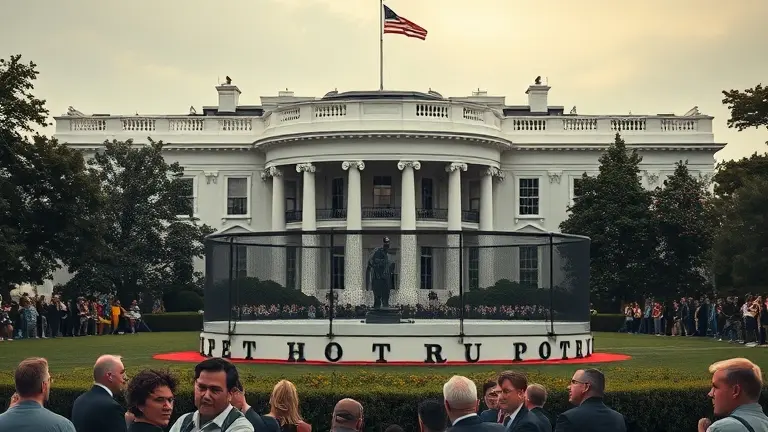
When the octagon was dismantled from the South Lawn, the echoes of UFC Freedom 250 left a complicated legacy that transcends the results of any single fight. While fans spent the night asking what channel is the UFC fight on tonight, the true story unfolding in the background was a constitutional and branding experiment that pushed the boundaries of where private enterprise and public government grounds intersect. Dana White, calling the event a technical success, has since slammed the door on a repeat performance, citing the crushing weight of the legal and political infrastructure required to pull off such a spectacle.
Yet, the fallout from this event serves as a stark reminder of the cost of high-stakes performance. Just as the UFC navigated the immense, suffocating pressure of hosting a fight at the White House, men everywhere face their own, often invisible, pressures to remain at peak performance in their personal lives. The move from the chaos of a historic, controversial card to the reality of the aftermath invites a deeper look at the discipline required to maintain control, endurance, and masculine vitality in a world that never stops moving.
UFC Freedom 250: Deconstructing the South Lawn Spectacle
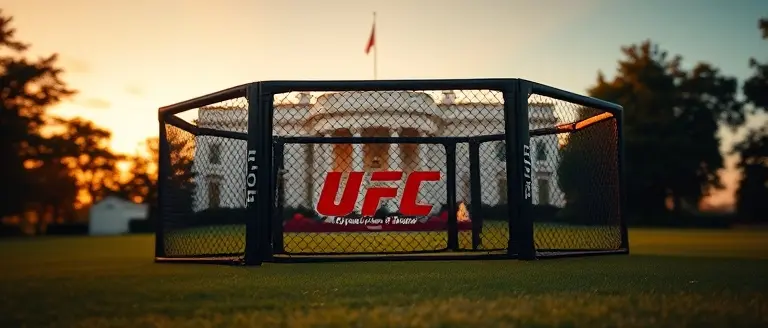
On June 14, 2026, the sporting world witnessed an unprecedented fusion of politics and combat sports as UFC Freedom 250 took place on the South Lawn of the White House. Coinciding with the 80th birthday of Donald Trump, the event transformed the seat of American executive power into an electrified arena, featuring a custom-built octagon that challenged traditional notions of government property usage. While fans searching for fights tonight or historical context on the event are often directed to Paramount+ for archival footage, the sheer logistics of the production remain a landmark case study in event management. Dana White, acting as the chief architect of this spectacle, navigated a labyrinth of federal regulations and public scrutiny to ensure the event proceeded despite fierce legal challenges aimed at halting the proceedings on constitutional grounds.
Logistical Challenges and Political Contrast
The event was defined by a stark tension between the high-octane atmosphere of a UFC fight card and the solemnity of the nation’s capital. Dana White famously defended the production as a “perfect” success, citing the branding triumph and the flawless execution of a live broadcast under extreme logistical pressure. However, this success was sharply contrasted by:
- Failed Legal Injunctions: Various civic groups filed lawsuits to block the fight at the White House, arguing that the privatization of public grounds for a commercial enterprise set a dangerous precedent.
- National Discourse: The event sparked widespread protests, with critics labeling the gathering an inappropriate political statement, while supporters hailed it as a bold reclamation of public space.
- The “Never Again” Stance: Despite the high viewership and commercial reach, White has unequivocally stated that he would never host another UFC event at this location, citing the immense legal and political weight required to pull off such a feat.
By bridging the gap between professional combat sports and the political core of the United States, UFC Freedom 250 proved that even the most ambitious, high-profile events operate within a delicate balance of public interest and private enterprise. While the event is now in the rearview mirror, its impact on how promoters negotiate with the federal government for high-stakes venues will likely be debated for years to come.
The White House Precedent: A New Era for Sports and Statecraft
The spectacle of “UFC Freedom 250” on the South Lawn has fundamentally altered the landscape of sports promotion and political optics. While Dana White lauded the technical production as a triumph, the event serves as a polarizing case study in the leveraging of political capital. By hosting a fight at the White House, the UFC successfully pushed the boundaries of public land usage, effectively blurring the lines between neutral statecraft and private entertainment ventures. Whether this represents a permanent shift or a singular anomaly remains a subject of intense debate among legal scholars and sports historians. The evidence suggests that while the UFC fight card achieved record-breaking engagement, the logistical nightmare and constitutional outcry likely cemented the event as a one-time phenomenon rather than a scalable business model for other leagues.
Several factors indicate that the intersection of elite combat sports and the White House may remain an isolated chapter:
- Political Liability: The intense legal challenges and protests underscored the danger of tying a global brand to specific presidential administrations.
- Logistical Complexity: The sheer scale of transforming federal property into an arena presents security and ethical hurdles that most promoters—and future administrations—may be unwilling to replicate.
- Unique Synergy: The rapport between Dana White and President Donald Trump was the primary driver of this event; without that specific personal connection, the precedent lacks a repeatable foundation.
Ultimately, the event served more as a political statement than a shift in industry standards. While fans looking for fights tonight or checking what channel is the ufc fight on tonight typically focus on traditional arenas, this historical event proved that high-stakes promotional branding can command the world’s most exclusive stage. For now, the “White House Precedent” stands as a testament to the influence of the UFC in modern pop culture, even as leadership insists the experiment will not be repeated.
Dana White’s ‘Never Again’: The Cost of Political Ambition

While Dana White lauded the production of ‘UFC Freedom 250’ as a technical masterpiece, the UFC CEO has been emphatic in his declaration that he would never return to the White House for a future fight card. Despite the massive viewership figures and the unprecedented spectacle of an octagon on the South Lawn, the event exposed a unsustainable friction between private entertainment and federal governance. Beyond the surface-level success, the “cost” of the event involved immense legal challenges, constitutional scrutiny, and a logistical operation that placed the organization under the microscope of federal oversight. For White, who has built the UFC brand on agility and control, the constraints of operating on government property—subjected to security protocols and legislative protest—created a pressure cooker environment that defied the company’s traditional operational independence.
The Burdens of Political Integration
The decision to pivot away from future government-hosted events stems from several factors that threaten the UFC’s streamlined business model. While fans often ask what channel is the UFC fight on tonight or track the latest UFC fight card, the reality of an event of this magnitude involves complexities that move far beyond sport. Key hurdles that rendered this a one-time affair include:
- Legal Vulnerability: The federal lawsuit filed to block the event highlighted the fragility of hosting commercial sporting events on public, high-security federal grounds.
- Operational Constraints: Managing a world-class production while adhering to the strict security requirements of the Secret Service created bottlenecks that traditional arenas do not impose.
- Brand Neutrality: Even for a brand as bold as the UFC, the direct association with specific political figures—even during a fight at the White House—risks alienating global fan bases that prefer a separation between political discourse and professional combat sports.
Ultimately, while the event drew historic attention, White’s “never again” stance reflects a calculated retreat. By moving back to traditional arenas, the UFC maintains its autonomy, ensuring that the focus remains on the athletes and the fight, rather than the volatile intersection of federal law and political optics. This shift reinforces that while the UFC is willing to push boundaries, it prioritizes the long-term scalability of its product over the allure of politically charged, high-risk venues.
The Aftermath: Legal Challenges and the Future of UFC Policy
The staging of ‘UFC Freedom 250’ on the South Lawn of the White House represents a watershed moment in the intersection of private sports entertainment and federal governance. While the event concluded without major security breaches, the preceding legal challenges—which attempted to block the card on constitutional and ethical grounds—have left a lasting mark on regulatory discourse. Critics argued that utilizing the seat of American executive power for a commercial fight at the White House created an inappropriate precedent, potentially blurring the lines between state neutrality and private brand promotion. The failure of these lawsuits to enjoin the event suggests a broad interpretation of executive privilege regarding the use of federal grounds, yet the intense scrutiny has clearly impacted Dana White and the UFC’s long-term operational calculus.
Implications for Future Sporting Events
Although the production was hailed by the organization as a technical success, the post-event fallout highlights the immense friction inherent in such ventures. Dana White has been explicitly clear regarding his stance, confirming that the UFC will “never” host another event at such a sensitive government property. This pivot reflects a strategic desire to distance the promotion from the logistical nightmares and political volatility that defined the June 14, 2026, spectacle. For future promoters, the “White House Precedent” serves as both a roadmap for high-visibility marketing and a cautionary tale regarding the scrutiny of public oversight.
- Legal Precedent: The failed federal challenges established that administrative discretion currently favors executive events on public land, provided they meet specific permit requirements.
- Branding Risks: While the event dominated headlines, the controversial nature of the venue risked alienating segments of the global audience, potentially impacting the brand’s neutral sporting image.
- Operational Constraints: The massive security and legal hurdles proved that traditional arenas remain the only efficient venues for a standard UFC fight card, minimizing institutional risk.
As fans continue to search for information on where to watch legacy content or query what channel is the ufc fight on tonight, this event remains a unique historical anomaly rather than a blueprint for the future. The UFC has demonstrated that while they can leverage immense political capital for a one-time “birthday” spectacle, the long-term sustainability of the sport depends on the neutral, regulated environment of professional arenas.
Securing Your Own Performance Legacy
UFC Freedom 250 proved that even the most monumental spectacles eventually fade, leaving behind only the cold reality of precedents set and lessons learned. While Dana White may have successfully navigated the logistical storm of the South Lawn, the lasting takeaway is that true, sustained power isn’t about one-off historic events—it’s about the discipline to maintain your edge day in and day out, long after the cameras have packed up.
Just as the event organizers had to navigate the immense pressure of the White House to deliver a historic performance, maintaining your own peak physical function requires a strategic approach to long-term vitality. Whether you are dealing with the daily grind or aiming to optimize your masculine health, you need a protocol that works as hard as you do.
This is where Protoflow becomes the essential tool for your personal arsenal. Designed for men who demand high performance and consistent results, Protoflow supports optimized prostate health and systemic vitality. It is the secret edge that allows you to reclaim control and perform at your best, without the interruptions that plague so many others. By choosing to prioritize your internal health, you are mirroring the focus of elite athletes who know that success is built on a foundation of unshakeable, reliable function.
 Take control of your own performance legacy; discover how Protoflow supports sustained vitality and essential male health today.Claim My Vitality Now!