
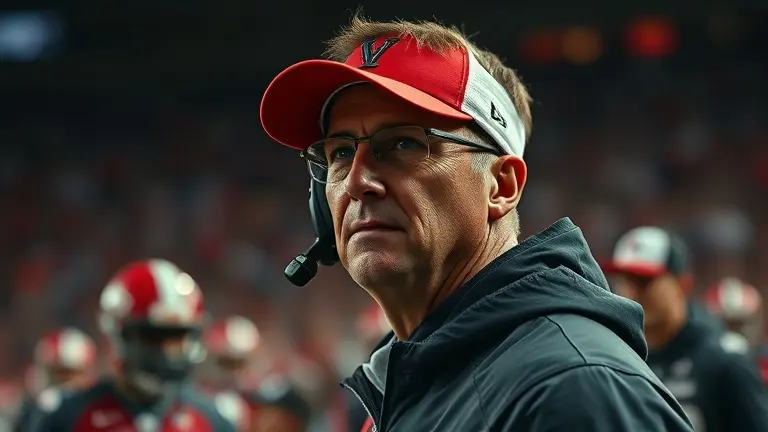
In the rapidly evolving landscape of collegiate athletics, few figures command the same gravitational pull as Urban Meyer. Whether he is dissecting the nuances of a high-stakes rivalry, crowning his personal ‘greatest of all time,’ or critiquing the current state of programs like Texas, Meyer has successfully pivoted from the sideline to the spotlight as the ultimate Provocateur-in-Chief. His recent media appearances have transcended mere soundbites, sparking intense debates among hardcore fans who find themselves nostalgic for the pre-NIL era yet increasingly fascinated by his sharp, old-school perspectives on today’s turbulent, transfer-portal-driven ecosystem.
But to dismiss Meyer’s commentary as mere noise is to miss the strategic brilliance of his approach. By consistently navigating the fine line between legacy-defining wisdom and provocative hot takes, Meyer remains the central architect of the college football conversation. For the dedicated analyst and the passionate fan, understanding this shift requires more than just listening; it requires the cognitive endurance to bridge the gap between traditional coaching philosophies and the high-speed, high-stakes realities of modern sports entertainment.
The Provocateur-in-Chief: Why Urban Meyer Still Dominates the CFB Conversation
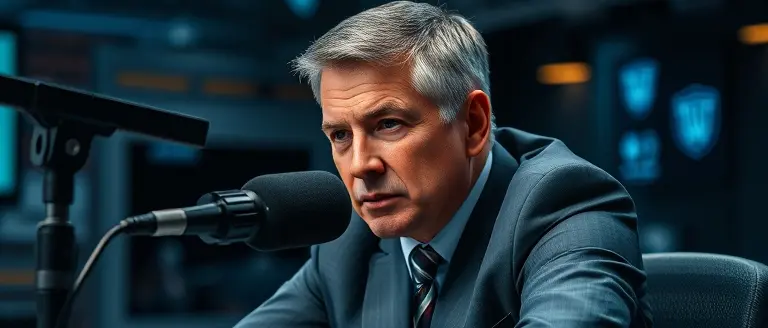
As of mid-2026, Urban Meyer has successfully pivoted from a Hall of Fame-caliber head coach to the undisputed “Provocateur-in-Chief” of college football media. Rather than fading into the background, Meyer occupies a unique space in the sports landscape where his every utterance—no matter how dismissive or nostalgic—becomes a centerpiece for debate. By deploying a calculated “soundbite” strategy, Meyer taps into the frustrations and curiosities of hardcore fans who view the current era of NIL and the Transfer Portal as a departure from the grit of the 2000s-era programs he once led at Ohio State and Florida.
The Anatomy of a Media Lightning Rod
Meyer’s recent commentary serves as a litmus test for the modern college football fan. His ability to dominate the news cycle is not accidental; it is a refined exercise in branding. By making polarizing statements—such as his recent insistence that Tim Tebow remains the greatest player in college football history or his admission that he actively avoided friendly rapport with rival coaches—he reminds the public that he is a figure defined by competitive obsession. This “old-school” posture keeps him relevant precisely because it contrasts sharply with the polished, PR-managed personas of today’s active coaching fraternity.
The effectiveness of this strategy is evident in how digital outlets consume his insights:
- Selective Nostalgia: By prioritizing his legacy and historical greats like Tebow, he appeals to a massive demographic of fans yearning for the pre-realignment era.
- The “Antagonist” Appeal: His dismissive takes on programs like the Texas Longhorns generate high-engagement friction, ensuring that social platforms like YouTube continue to circulate his clips long after the original broadcast.
- Cultural Influence: Whether debating his stance on coaches like the late Mike Leach or analyzing the decline of “pregame pleasantries,” Meyer forces the audience to engage with the philosophy of the game, rather than just the scoreboards.
Evidence suggests that Meyer’s influence is shifting; he is no longer just a former coach, but a cultural mirror reflecting the transition of the sport. His relevance thrives on the tension between his championship-winning past and the unrecognizable landscape of modern collegiate athletics.
Decoding the Media Strategy: Nostalgia as Currency

Urban Meyer has effectively transitioned from the sideline to the broadcast booth by utilizing a sophisticated media strategy built on the currency of nostalgia. By consistently championing the values of the pre-NIL era, Meyer positions himself as the definitive voice for hardcore college football fans who feel increasingly alienated by the rapid, transaction-heavy evolution of the sport. His recent commentary—ranging from his assessment of Tim Tebow as the greatest college football player ever to his dismissive takes on modern rivalries—is not merely reactionary. Instead, it serves as a calculated branding mechanism that contrasts his own legendary success at programs like the Ohio State Buckeyes and Florida with the perceived chaos of today’s transfer-portal-dominated landscape.
The Contrast-Based Branding Model
Meyer’s influence relies on a “contrast-based” approach, where he purposefully elevates the intensity and rigidity of 2000s-era coaching to highlight the perceived softness of modern programs. By framing contemporary coaches—and the modern administrative structures they inhabit—against the backdrop of his own “miserable day” competitive philosophy, he creates a narrative friction that keeps him at the center of the discourse. This strategy offers several distinct advantages for his continued relevance:
- Polarization as Engagement: By refusing to soften his stances on figures like the late Mike Leach or modern powerhouses like the Texas Longhorns, he forces listeners to take a side, driving viral social media engagement.
- The ‘Old-School’ Authority: Meyer leverages his three national championships as irrefutable evidence for his opinions, effectively silencing critics who argue that his methodologies are outdated.
- Targeting the Disaffected Fanbase: He speaks directly to the segment of the audience that misses the rigid, coach-led hierarchies of the past, effectively positioning himself as the custodian of “pure” football.
Ultimately, Meyer’s media presence is far more tactical than his viral soundbites suggest. By acting as the “Provocateur-in-Chief,” he ensures that the conversation around college football remains anchored to the standards he set during his career. Whether discussing the NIL impact or the loss of traditional rivalries, Meyer’s commentary successfully bridges the gap between historical excellence and modern platform engagement, maintaining his dominance in the sports media ecosystem long after his final game as a head coach.
The 2000s Formula vs. The Modern Powerhouse

The coaching pedigree of Urban Meyer was forged in an era defined by singular authority, rigid locker room hierarchies, and a “recruit-and-retain” philosophy that allowed programs like the Florida Gators and Ohio State Buckeyes to cultivate multi-year cultures. Meyer’s championship-winning strategy relied on an unrelenting intensity that fostered internal competition, often prioritizing psychological pressure as a means to extract maximum performance. This 2000s-era model prioritized long-term player development and loyalty—concepts that stand in stark contrast to today’s environment.
The NIL and Transfer Portal Friction
As the college football landscape shifts toward the Transfer Portal and NIL-driven rosters, Meyer’s recent media commentary functions as a direct foil to these structural changes. While modern programs like the Texas Longhorns increasingly operate like professional franchises, managing high-value assets who possess significant leverage, Meyer’s public remarks emphasize a traditional, “old-school” approach to competition. His dismissive stance on certain modern matchups and his focus on legendary figures like Tim Tebow highlight a fundamental disconnect between his preferred brand of discipline and the current reality of player mobility.
- Roster Stability: In Meyer’s heyday, his roster management was designed to minimize turnover; today, top-tier coaches must navigate perpetual free agency.
- Coaching Philosophy: Meyer’s “no pregame chat” mentality toward rivals highlights a bygone era of intense, personal enmity that has been largely replaced by transactional professional relationships in the portal age.
- Media Strategy: By positioning himself as a traditionalist, Meyer maintains his status as a “Provocateur-in-Chief.” His opinions serve as a litmus test for hardcore CFB fans who remain nostalgic for the era when coaching intensity—rather than NIL capital—was the primary driver of national success.
Evidence suggests that Meyer’s influence persists precisely because he refuses to align with the modern consensus, keeping him at the center of the sport’s most heated cultural debates.
The Polarization Effect: Why Fans Can’t Look Away

The enduring fascination with Urban Meyer in the modern media landscape is a masterclass in the psychology of engagement. As a central figure in college football, Meyer has successfully transitioned from a sideline tactician to a “Provocateur-in-Chief.” His commentary, whether he is identifying Tim Tebow as the greatest college player in history or offering blunt, dismissive critiques of programs like the Texas Longhorns, acts as a lightning rod for digital discourse. This isn’t merely incidental; it is a calculated media strategy that thrives on the friction between “old-school” coaching values and the fluid, NIL-driven reality of the current era.
The Algorithmic Value of Controversy
Meyer’s ability to remain relevant long after his departure from the Ohio State Buckeyes stems from his understanding of social video platforms. Algorithms prioritize high-engagement, emotionally charged content, and Meyer provides exactly that. By maintaining a hardline stance—such as his admitted desire to see opposing coaches suffer a “miserable day”—he triggers two distinct reactions that fuel his reach:
- The Nostalgia Bloc: Hardcore fans of the pre-NIL era view his commentary as a refreshing, albeit abrasive, reminder of a more cutthroat, discipline-focused culture.
- The Opposition Bloc: Younger or rival fans drive massive impression counts by debating or mocking his traditionalist views, unwittingly amplifying his reach across YouTube and X (formerly Twitter).
Ultimately, Meyer’s polarizing status serves as a buffer against irrelevance. He has evolved into a media entity that relies on the “shock value” of his soundbites to dominate the news cycle. By positioning himself as a truth-teller who refuses to bow to modern sensibilities, he ensures that every opinion expressed becomes a mandatory discussion point, keeping his personal brand as potent today as it was during his national championship runs.
Elevate Your Analytical Edge
Urban Meyer’s enduring relevance serves as a masterclass in adaptation, demonstrating that whether on the field or behind the microphone, success is driven by intense focus and strategic positioning. As you sift through the complex, shifting narratives of today’s college football landscape, your ability to synthesize these insights and stay ahead of the curve is entirely dependent on your own mental performance. Just as a coach prepares for every scenario, you can condition your mind to process deep-dive analytics with unprecedented clarity.
This is where The Brain Song becomes the essential tool for the modern, high-performing sports enthusiast. Designed to cut through the mental fog that accompanies high-velocity information consumption, this solution provides the cognitive optimization needed to analyze NIL dynamics and historical legacies with ease. By integrating this daily mental conditioning into your routine, you gain the clarity required to truly master the intricate game of college football analysis, ensuring you never miss a beat in the discourse that defines the sport.
Don’t let the noise of the modern landscape hinder your insights. Equip yourself with the focus necessary to decode the game like an expert and experience the competitive advantage of total mental sharpness.
 Sharpen your analytical focus for the next game day; start your 12-minute daily brain training routine now.Transform My Mental Clarity Today!