

As a relentless, record-breaking heatwave descends upon the United States, over 245 million Americans are finding themselves under the constant shadow of a heat advisory. Following a historically anomalous March 2026—a month where more than 7,000 daily heat records shattered—this early-season spike is testing the limits of our infrastructure and our endurance. Driven by a strengthening El Niño pattern, meteorological experts from NOAA warn that 2026 is on track to become the hottest year in American history. From the Midwest to the bustling I-95 corridor, the message from the National Weather Service is clear: the \”new normal\” of extreme temperatures has arrived, and it is time to move beyond reactive news alerts toward meaningful, long-term preparedness.
While broad weather reports focus on the meteorological ‘why,’ the most critical question remains how you can protect your immediate environment. As energy grids face the threat of peak demand outages, passive home-cooling strategies are becoming the first line of defense for the vulnerable and the prepared alike. By transforming your home into a heat-resilient structure, you can mitigate solar heat gain and maintain a safer, more comfortable indoor climate. This guide shifts the focus from technical terminology to actionable, low-energy solutions designed to help you navigate this summer with control and confidence.
Understanding the June 2026 Record-Breaking Heatwave
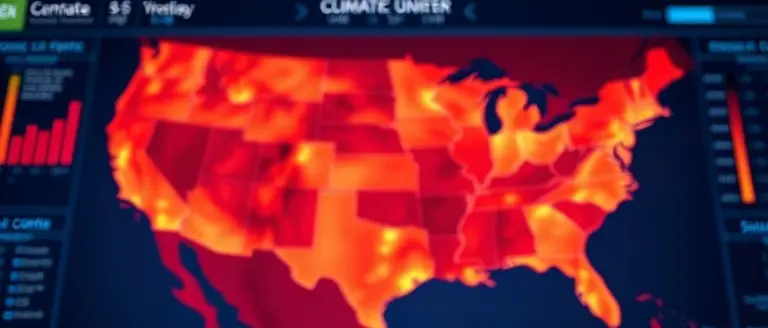
The meteorological landscape of 2026 has shifted into uncharted territory, with an early-season heat emergency currently impacting over 245 million Americans. This surge represents the culmination of a volatile year, beginning with a historically anomalous March 2026 that saw more than 7,000 daily temperature records shattered across the United States. As we navigate June, the intensity of this heatwave—stretching from the Midwest and South to the densely populated I-95 corridor—is being driven by strengthening El Niño patterns. According to NOAA’s Climate Prediction Center, these atmospheric conditions have accelerated the onset of summer extremes, fueling concerns that 2026 may conclude as the hottest year in recorded history.
Distinguishing NWS Alerts: Advisory vs. Watch
To navigate these dangerous conditions, residents must understand the specific terminology utilized by the National Weather Service (NWS). Misinterpreting these alerts can lead to delayed personal safety actions:
- Heat Advisory: This is issued when a period of high heat is expected to be uncomfortable or inconvenient but not immediately life-threatening if standard precautions are taken. It typically triggers when the heat index is projected to reach dangerous levels for at least two consecutive days.
- Extreme Heat Watch: This is a more urgent designation issued by the NWS when the potential for a heatwave exists within the next 24 to 72 hours. An extreme heat watch indicates that temperatures or humidity levels are expected to reach levels that pose a significant risk to health, particularly for vulnerable populations such as the elderly, children, and outdoor workers.
As local NWS offices continue to issue widespread warnings, the primary objective is to bridge the gap between abstract weather data and individual preparedness. The current volatility serves as a reminder that we are operating within a “new normal” of climate extremes. Residents in affected regions should monitor localized NWS forecasts closely, as the duration of these high-heat events—often defined by how long the heat index remains above 100 degrees—directly dictates the strain on local power grids and the necessity for cooling interventions.
The Science Behind the Surge: El Niño and 2026 Climate Trends

The current, widespread heat advisory conditions blanketing the United States are not merely a random meteorological fluctuation; they represent the culmination of a strengthening El Niño phase interacting with a long-term warming trend. According to data from NOAA’s Climate Prediction Center, the atmospheric patterns observed in early June 2026 demonstrate a significant shift in energy distribution across the Pacific, which effectively amplifies regional heatwaves. This is compounded by the historical anomaly of March 2026, which saw over 7,000 daily temperature records fall, setting an exceptionally high baseline for the summer season. When an extreme heat watch is issued by the National Weather Service, it is often a response to this compounded systemic volatility, which is currently positioning 2026 to potentially surpass previous years as the hottest on record.
Understanding the El Niño Connection
The mechanics of this year’s intensity are rooted in how El Niño alters global jet stream patterns. By shifting the position of the jet stream, the current climate cycle traps high-pressure “heat domes” over the Midwest, South, and the I-95 corridor for extended durations. Unlike standard seasonal variations, these systems are sustained by:
- Positive Feedback Loops: As the ground dries, the sun’s energy goes entirely into heating the air rather than evaporating soil moisture, causing temperatures to climb rapidly.
- Atmospheric Blocking: Persistent high-pressure zones prevent cooler, polar air masses from moving south, locking the US into a cycle of stagnant, oppressive heat.
- Systemic Instability: Evidence suggests that the baseline temperature rise is making these heat-trapping events more frequent and more intense than historical models predicted for the early summer timeframe.
By analyzing these trends, meteorologists emphasize that this is a departure from historical norms. Rather than viewing these events as isolated incidents, they should be understood as a direct result of atmospheric thermal loading, where both the baseline heat and the El Niño-driven surges work in tandem to stress both public infrastructure and personal health safety.
Heat Wave Survival Checklist: Protecting Your Household
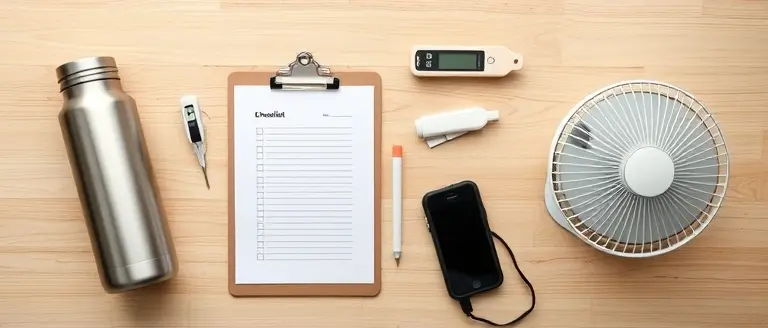
As an extreme heat watch transitions into a formal heat advisory, taking proactive steps to safeguard your household is essential. The record-breaking temperatures of June 2026 demand more than just staying indoors; they require a deliberate strategy to manage the internal environment and personal health. Begin by fortifying your home against thermal gain: close blinds and curtains during peak daylight hours to block direct solar radiation, and prioritize the use of high-efficiency fans to circulate air, which can make a room feel several degrees cooler without significantly taxing the local power grid.
Essential Preparedness and Hydration
Survival during an extended heatwave centers on maintaining core body temperature regulation. Follow this checklist to ensure your home remains a safe haven:
- Hydration Strategy: Drink water consistently throughout the day, regardless of your activity level. Avoid caffeine and alcohol, which accelerate dehydration.
- Cooling Zones: If air conditioning is unavailable or unreliable due to grid demand, designate a “cool room” on the lowest level of your home.
- Vulnerable Populations: Check on elderly neighbors, children, and those with pre-existing conditions at least twice daily. These groups are at the highest risk for heat-related illness.
- Pet Safety: Provide cool, fresh water and keep pets on non-pavement surfaces during the day. Never leave animals or children in a parked vehicle, as temperatures can reach lethal levels in minutes.
Recognizing Heat-Related Emergencies
Distinguishing between heat exhaustion and heat stroke is critical for life-saving intervention. Heat exhaustion typically presents as heavy sweating, rapid pulse, dizziness, and cool, clammy skin. If you observe these signs, move the individual to a cooler environment immediately and sip cool water. Conversely, heat stroke is a life-threatening medical emergency characterized by a body temperature above 103°F, red/hot/dry skin (lack of sweat), and loss of consciousness. If heat stroke is suspected, call 911 immediately and begin cooling the person with wet cloths or ice packs while waiting for professional medical assistance. Always adhere to NWS guidance regarding local temperature thresholds to stay ahead of the weather.
Monitoring Your Local Heat Index: Tools and NWS Resources

In the face of the 2026 record-breaking heatwave, relying solely on standard air temperature readings can be dangerous. To accurately gauge your immediate risk, you must monitor the Heat Index, which represents how the temperature “feels” to the human body when relative humidity is combined with the air temperature. As the National Weather Service (NWS) emphasizes, high humidity inhibits the body’s ability to cool itself through perspiration, making even moderate air temperatures potentially lethal. When an extreme heat watch or a formal heat advisory is issued for your area, the Heat Index is the primary metric used to trigger these critical NWS alerts.
How to Access Real-Time NWS Data
To stay informed, visit the official National Weather Service website at weather.gov. By entering your zip code into the local forecast search bar, you gain access to localized, hyper-accurate projections that go beyond general media reports.
- Bookmark Your Local Office: Each regional NWS office provides specific, location-based safety thresholds tailored to your climate zone.
- Monitor Hourly Graphs: Once on your local NWS page, navigate to the “Hourly Weather Forecast” link to view a graph that tracks the projected Heat Index throughout the day. This allows you to plan outdoor activities during the cooler, early-morning hours.
- Sign Up for Wireless Emergency Alerts (WEA): Ensure your mobile device settings are configured to receive government-issued alerts. These push notifications provide the fastest warning regarding rapid shifts in heat intensity or potential grid-related instability.
Understanding the difference between an advisory and a watch is vital. An extreme heat watch indicates that conditions are favorable for an excessive heat event in the next 24 to 72 hours, whereas a heat advisory means the dangerous heat is occurring or imminent. By consistently checking these NWS resources, you transition from passive observation to proactive, evidence-based decision-making, ensuring you can mitigate risks before the afternoon peak heat index levels pose a significant health threat to you or your family.
Building Your Fortress Against the 2026 Heatwave
Surviving the unprecedented heat of 2026 requires more than just checking the thermometer; it demands a proactive shift in how we manage our home environments. By understanding the dynamics of an extreme heat watch and prioritizing structural cooling, you can protect your family while reducing the strain on an already overwhelmed power grid. The goal is to move beyond temporary relief and build lasting, energy-efficient resilience.
While staying indoors is the priority, many homes are simply not optimized for the intensity of this current climate reality. Upgrading your living space with custom-built shading or airflow-enhancing structures is a critical step in heat-resilient DIY. By taking control of your indoor climate through proactive construction, you transform your home into a sanctuary rather than a heat trap.
Ted’s Woodworking provides the essential toolkit to turn this ambition into reality. With access to professional, workshop-tested plans, you can build custom window shades, external cooling lattices, and thermal-efficient furniture designed to lower solar heat gain and improve airflow. It is the most practical, hands-on way to harden your home against the record-breaking temperatures of 2026 without relying on high-consumption HVAC systems.
 Access the workshop-tested plans for heat-resilient home improvements and start building a more comfortable, energy-efficient home today.Secure My DIY Cooling Blueprints Now!