

The dust has finally settled at Boston’s Gillette Stadium following the 0-0 stalemate between Haiti vs Scotland, a match that promised fireworks but ultimately delivered a tactical masterclass in defensive resilience. For Scotland, the result marked a frustrating return to the World Cup stage, characterized by a persistent inability to convert heavy possession into meaningful shots on goal. Meanwhile, Haiti emerged as the tournament’s most disciplined underdog, executing a game plan that frustrated the Scots and left experts questioning the ceiling of both squads as they look toward the remainder of the group stage.
As we pivot from the post-match headlines to a deeper Group C post-mortem, the real story lies in the data: a failure of final-third creativity for Scotland and an heroic defensive structure from the Haitian side. Understanding these nuances is essential for fans tracking the shifting sands of the qualification bracket. To dissect these complex scenarios and predict how these teams will evolve in their next fixtures, we must move beyond the basic scoreline and analyze the underlying mechanics of play.
Haiti vs. Scotland: Decoding the Group C Opening Deadlock

The highly anticipated Haiti vs. Scotland opening match in Boston on June 14th served as a defining moment for the 2026 FIFA World Cup. For Scotland, this fixture represented a long-awaited return to the global stage, carrying the hopes of a nation eager to prove their competitiveness in a high-stakes environment. Conversely, the Haiti World Cup appearance marked a historic milestone, with the Caribbean underdogs entering the tournament as a tactical enigma capable of disrupting established order. The resulting 0-0 draw was far from a stagnant affair; rather, it became a viral sensation as social media dissected every tactical nuance and missed opportunity, cementing its place as a pivotal result in early tournament history.
The Tactical Implications of the 0-0 Result
While the scoreboard remained untouched, the dynamics of Group C shifted significantly following the final whistle. The match highlighted a clear disparity in styles: Scotland’s methodical, possession-based approach clashed against Haiti’s resilient, counter-attacking defensive structure. Experts observing the fixture noted that while Scotland dominated the ball, they lacked the clinical edge required to break down a disciplined defensive block.
Several factors contributed to this stalemate:
- Defensive Rigidity: Haiti’s tactical setup effectively neutralized Scotland’s primary playmakers, forcing them to rely on speculative long-range efforts.
- Conversion Issues: Scotland struggled to translate their superior time on the ball into high-quality scoring chances, a concern that analysts suggest could hinder their advancement prospects.
- Underdog Resilience: The performance cemented the reputation of the Haitian squad as a formidable defensive unit, capable of absorbing pressure against top-tier opposition.
This result leaves both teams in a precarious position within the group standings, forcing a heightened sense of urgency for their upcoming matches. For fans tracking the scotland vs haiti narrative, the draw serves as a reminder that in modern football, tactical discipline is often as effective as raw talent. As the tournament progresses, the repercussions of this specific deadlock will likely dictate the qualification scenarios for the remainder of the Group C schedule.
3 Key Takeaways: Why the Goalposts Remained Untouched

The Haiti vs Scotland opening match in Group C was defined by tactical stalemate rather than a lack of effort. As fans analyzed the Scotland World Cup return, it became clear that both sides prioritized defensive stability over aggressive attacking transitions. Here are the three primary reasons the scoreline remained 0-0 at the final whistle.
1. Defensive Tactical Discipline
Both nations deployed rigid defensive structures that effectively neutralized the opposition’s creative playmakers. Scotland struggled to break down the deep-sitting Haitian block, which utilized a disciplined low-defensive line to collapse on any player entering the final third. Evidence suggests that Haiti’s ability to crowd the central channels forced the Scots to resort to wide crosses, which were consistently dealt with by an organized Haitian backline. This defensive posture ensured that clear-cut scoring opportunities were virtually non-existent for the duration of the match.
2. The Boston Atmosphere and Tournament Nerves
The high-stakes environment in Boston played a tangible role in the match’s tempo. For Haiti, the gravity of a Haiti World Cup appearance meant playing with caution, while the pressure on Scotland to prove their worth on the global stage led to uncharacteristic technical errors in the final third. The weight of expectations appeared to induce hesitation; players on both sides seemed to prefer safe passes over high-risk through balls, resulting in a cautious game of chess rather than an open, end-to-end contest.
3. Standout Defensive Performances
Individual brilliance in defense ultimately decided the deadlock. Key takeaways from the match include:
- Goalkeeping Excellence: Both keepers commanded their areas with authority, effectively claiming high balls and organizing their defenses under pressure.
- Midfield Interceptions: Defensive midfielders for both squads provided essential cover, breaking up play before it reached the penalty box.
- Tactical Fouling: When defensive lines were breached, both teams employed professional, tactical fouls to stop momentum, preventing dangerous counter-attacks from unfolding.
Ultimately, this draw reflects a sophisticated approach to group-stage soccer, where keeping a clean sheet remains the highest priority for teams seeking to secure a path to the knockout rounds.
Player Ratings and Impact Performances
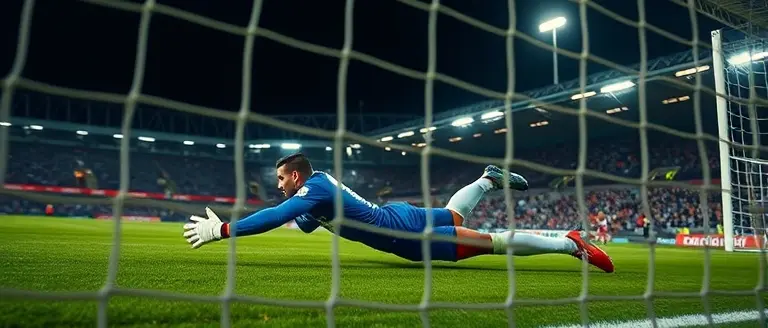
The 0-0 draw in the Haiti vs Scotland opening Group C clash served as a tactical masterclass in defensive resilience rather than a showcase of attacking flair. While the scoreline reflects a shared point, the underlying data highlights specific individual contributions that dictated the flow of the match. Both goalkeepers emerged as the undisputed stars, with clean sheets that preserved their respective team’s hopes for World Cup advancement. For Haiti, the defensive block remained disciplined, anchored by a central midfield unit that successfully disrupted Scotland’s rhythm and frustrated their transition play.
Defensive Grit vs. Final Third Struggles
The failure to convert possession into goals was not merely a matter of bad luck, but a reflection of the challenges both squads faced in the final third. Scotland dominated the ball for long stretches, yet their star forwards struggled to penetrate the congested Haitian penalty area. Analysis of the individual performances reveals a clear dichotomy:
- Goalkeeper Dominance: Both keepers were forced into crucial reaction saves, consistently neutralizing long-range efforts and dangerous set-piece deliveries. Their positioning was flawless, effectively eliminating the potential for a rebound goal.
- Midfield Tempo Control: Defensive midfielders on both sides acted as the primary engines. They ensured that the transition from defense to attack remained measured, prioritizing safe distribution over risky long balls that might have invited counter-attacks.
- Final Third Impotence: The lack of synergy between the creative midfielders and the primary attackers hindered both teams. Scotland appeared overly reliant on wide crosses that were easily cleared by the imposing Haitian aerial presence, while Haiti lacked the clinical precision required to exploit the gaps left by Scotland’s high defensive line.
Ultimately, the individual ratings highlight a collective tactical stalemate. While elite talent was on display, the disciplined defensive structures implemented by both managers proved far superior to the attacking strategies deployed on the day. For these teams to progress deeper into the Haiti world cup campaign, they will need to find a more fluid way to break down low-block defenses when the tournament resumes.
Group C Qualification Scenarios: What the Draw Means

The stalemate in the Haiti vs Scotland opening fixture has turned Group C into a tactical minefield. By splitting the points in Boston, both teams have effectively ceded control of their own destinies to the remaining matchdays. For Scotland, the failure to secure three points against a resilient Haiti side creates immediate pressure to perform against the higher-seeded opponents in the bracket. Mathematically, a 0-0 draw offers a single point, but it creates a narrow margin for error; any further slip-up will likely force the Scots into a “must-win” scenario, potentially leaving them vulnerable to goal-difference tiebreakers—a notorious pitfall for teams in the Scotland World Cup campaign.
Conversely, for Haiti, this result serves as a massive psychological boost and a foundational step toward an unlikely knockout berth. By successfully neutralizing Scotland’s attacking lines, Haiti has proven that their defensive structure is capable of competing at the highest level. However, to leverage this point effectively, they must now pivot toward a more aggressive transition game. The following dynamics will define their path forward:
- Goal Difference Sensitivity: Since both teams share one point, the final standings may hinge on total goals scored. Each squad must prioritize aggressive play in their next fixtures to avoid being eliminated by a lower goal differential.
- The “Spoiler” Effect: Haiti’s ability to force a draw suggests they may act as a spoiler in Group C. If they can replicate this defensive discipline, they could prevent other group favorites from securing maximum points.
- Urgency in Execution: Scotland faces an uphill battle to regain momentum. Without clinical finishing in the final third, the tactical frustration observed in the opening match could hinder their qualification prospects.
Ultimately, while the Haiti World Cup narrative currently centers on their defensive resolve, the team must now find a way to convert possession into goals. The point earned against Scotland could theoretically serve as the deciding factor that pushes either nation into the Round of 32, but only if they can capitalize on the inherent volatility of the remaining Group C schedule.
Navigating the Tactical Maze of Group C
The 0-0 draw between Scotland and Haiti has blown Group C wide open, creating a high-stakes scenario where every subsequent pass, substitution, and tactical adjustment now carries double the weight. While the players on the pitch struggled to break through, the true winners of this tournament will be the fans who can synthesize these complex patterns, predict tactical shifts, and stay two steps ahead of the evolving qualification narrative.
Just as the players must maintain elite-level tactical awareness under the immense pressure of a World Cup opening match, you need peak mental sharpness to process the dense data sets and intricate scenarios defining this group’s future. This is exactly where The Brain Song becomes your ultimate analytical edge. By optimizing your cognitive processing power, it allows you to cut through the noise of superficial reporting and master the sophisticated tactical concepts that separate casual observers from true football experts.
Don’t just watch the matches—deeply understand the engine behind the outcomes. Whether you are tracking goal differences or dissecting defensive line shifts, sharpening your focus is the key to conquering the complexity of 2026 World Cup analysis. Elevate your cognitive performance and turn every match review into a strategic advantage.
 Unlock your full analytical potential and master the group stage dynamics with The Brain Song.Yes, I Want This Now!