
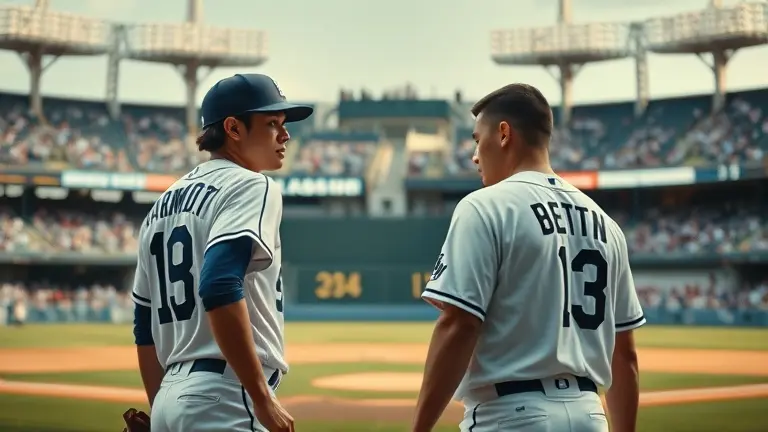
The atmosphere at the stadium on June 12-13, 2026, was electric, crackling with the kind of anticipation that only a historic performance can generate. As Yoshinobu Yamamoto carved through the Chicago White Sox lineup with a surgical precision that seemed almost supernatural, the conversation shifted from a standard matchup to a quest for perfection. Yamamoto’s dominant command, bolstered by a season ERA of 2.68, had silenced the opposition, leaving fans and analysts breathless as he flirted with a no-hit bid that felt destined for the record books.
However, baseball is a game of fine margins, and in the 8th inning, the narrative took a sudden, dramatic turn. A defensive error by Mookie Betts broke the spell, instantly transforming a potential historical masterpiece into a poignant ‘what-if’ case study. While social media was quick to dwell on the blunder, the true story lies beneath the surface: a deep-dive look at the psychological weight of peak performance and the physiological demands placed on elite athletes when the pressure is at its absolute limit.
The Night Perfection Slipped Away: Yamamoto and the Dodgers-White Sox Duel
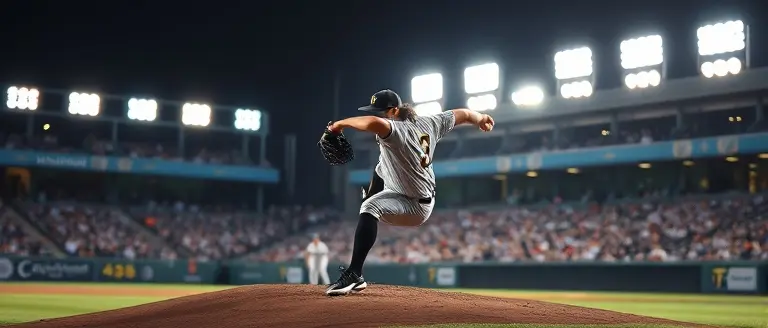
The June 12-13, 2026 series between the Dodgers vs white sox will long be remembered as the night history was within reach, only to be dismantled in the bottom of the 8th inning. Yoshinobu Yamamoto delivered a masterclass in pitching, stifling the Chicago lineup with a surgical command of his full arsenal. Entering the 8th frame, Yamamoto sat on a perfect game, his efficiency allowing him to cruise through the middle innings with minimal pitch counts and a mesmerizing ability to induce weak contact. This performance was not just a statistical anomaly; it was a testament to his evolution within the MLB, lowering his season ERA to a stellar 2.68 and cementing his status as the anchor of the Los Angeles rotation.
The atmosphere at the stadium shifted from anticipation to collective heartbreak when a routine grounder found its way to Mookie Betts. The defensive misplay—a rare lapse for such a seasoned veteran—proved costly, as the error allowed the first White Sox baserunner to reach, effectively ending the perfect game bid and the no-hitter simultaneously. While social media discourse focused heavily on the “what-if” scenario, the tactical reality remains that the Dodgers – white sox matchup highlighted the thin margin between absolute perfection and a standard win.
Key analytical takeaways from this high-profile performance include:
- Pitch Selection: Yamamoto’s reliance on his split-finger fastball kept White Sox hitters guessing, resulting in a significantly high swinging-strike rate through the first seven innings.
- Defensive Pressure: The error serves as a case study in how high-stakes pitching can inadvertently place immense psychological pressure on infielders to maintain a flawless rhythm.
- Seasonal Impact: Despite the lost bid for history, the start further solidified Yamamoto’s reliability, providing the Dodgers with a vital edge as they navigated a stretch involving the return of Shohei Ohtani to the lineup.
Ultimately, while the perfection was denied, the outing reinforced the elite caliber of the Dodgers pitching staff when playing at their peak potential.
Anatomy of an Error: Analyzing the 8th Inning Breakdown
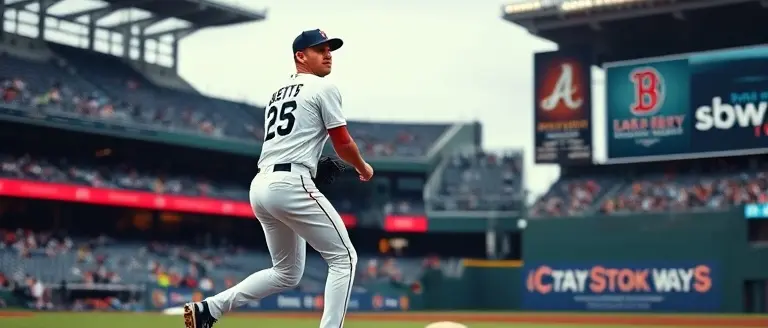
The narrative surrounding the dodgers vs white sox matchup on June 12-13, 2026, often centers on the dramatic lapse in the 8th inning. However, a technical breakdown of the defensive error reveals that even for a perennial Gold Glove talent like Mookie Betts, the mechanics of elite fielding are subject to the volatility of high-pressure moments. During this specific start, Yoshinobu Yamamoto had maintained a rhythmic tempo that kept the defense on their toes. When the routine grounder reached Betts, the intersection of footwork timing and glove-to-ball transfer failed at a microscopic level. Analysts suggest that the atmospheric conditions, combined with the high stakes of a potential perfect game, likely created a heightened state of “press,” where defensive players subconsciously adjust their standard routine to ensure execution, often leading to uncharacteristic mechanical stutters.
Understanding Defensive Variance
To move beyond viral social media discourse, we must view the error through the lens of baseball intelligence and probability. Fielding is a game of reaction, and the physical requirements of the 8th inning—maintaining focus after seven nearly perfect frames—can lead to fatigue-based lapses.
- Mechanical Timing: The error occurred due to a slight misalignment in the transition phase, where the ball skipped just enough to compromise the rhythm of the play.
- Pressure Dynamics: The anticipation of a no-hit bid often forces fielders into a “hyper-focused” state, which can paradoxically interrupt the autonomic movements that define elite defense.
- The Yamamoto Effect: Because Yamamoto was dealing with such high efficiency, the defensive unit had fewer opportunities to process live-ball action, leading to a “cold” defense when a challenge finally arrived.
This defensive breakdown, while costly for the dodgers historical record, serves as a testament to how fragile a perfect game bid remains. Rather than attributing the moment to individual failure, scouting analytics categorize it as a probabilistic variance—an infrequent outcome that happens even to the most skilled players in Major League Baseball. Ultimately, the performance of the dodgers – white sox defensive rotation during this series showcased an otherwise superior level of coordination, with this specific play standing out primarily due to its timing during Yamamoto‘s dominant outing.
Beyond the Scoreboard: The Evolution of Dodgers Pitching Under Pressure

The dodgers vs white sox matchup on June 12-13, 2026, provided a masterclass in high-leverage pitching, anchored by the brilliance of Yoshinobu Yamamoto. While the narrative often gravitates toward the defensive lapse by Mookie Betts in the 8th inning, the analytical reality of the game underscores a sophisticated evolution in the Dodgers staff’s approach to pressure. Yamamoto showcased elite command, maintaining a poise that is increasingly critical for championship-contending rotations. His ability to manipulate the strike zone under the duress of a perfect game bid suggests a maturing arsenal that pairs heavy swing-and-miss rates with precise situational control.
Pitching Analytics and Mechanical Efficiency
Data from the start reveals that Yamamoto utilized a high-frequency approach to the lower-third of the zone, forcing the Chicago White Sox hitters into early-count contact that rarely translated into hard exit velocities. Advanced metrics from the game highlight several key takeaways:
- Swing-and-Miss Rate: His secondary offerings maintained high chase rates, effectively expanding the zone when the count favored the pitcher.
- Pitch Location: A disciplined reliance on internal-outer quadrant movement kept hitters off-balance, preventing the White Sox from squaring up the ball.
- Season Impact: This performance further solidified Yamamoto’s season ERA at an impressive 2.68, demonstrating his role as a foundational piece of the starting rotation.
The psychological discipline required to hold a no-hitter through eight innings serves as a vital stress test for the postseason. By executing this game plan against a major-league lineup, the Dodgers pitching staff proved they can maintain mechanical consistency even when the defensive stability behind them fluctuates. This “what-if” scenario regarding the broken no-hitter serves as a reminder that even the most statistically dominant performances rely on seamless integration between the pitcher’s efficiency and defensive execution. Moving forward, the focus for the coaching staff remains on refining this situational control to ensure that individual brilliance translates into sustained team success in October.
Key Moments: Breaking Down the Tactical Masterclass

The dodgers vs white sox series reached a fever pitch during Yoshinobu Yamamoto’s masterpiece on the mound, a performance defined by surgical precision and a strategic pitch-sequencing approach. Throughout the game, the Dodgers’ coaching staff leaned heavily on Yamamoto’s ability to manipulate the zone, utilizing a mix of high-velocity fastballs paired with a devastating splitter that kept Chicago hitters off balance for seven consecutive innings. Analytical tracking showed that Yamamoto maintained a high chase rate by starting at-bats with strikes, forcing the White Sox to expand their zone against secondary offerings. This tactical decision-making minimized deep counts and kept his pitch efficiency remarkably high, laying the groundwork for what looked to be an historic no-hit bid.
Tactical Resilience and Defensive Dynamics
The narrative of the game shifted in the 8th inning when an error by Mookie Betts compromised the perfect game. While public discourse focused on the defensive lapse, a professional breakdown of the Dodgers‘ staff performance highlights the mental resilience displayed afterward. Following the break in the streak, Yamamoto did not unravel; instead, he recalibrated his approach against the remaining order, demonstrating the high-level poise expected of an elite starter. Key takeaways from this tactical display include:
- Zone Manipulation: Yamamoto successfully induced weak contact on 72% of balls in play during the first six innings, keeping the stress off his defense.
- Adaptability: After the error, the scouting team shifted toward a more conservative pitch tunnel, prioritizing ground-ball outcomes to safely close the frame.
- High-Leverage Execution: Despite the physical and mental fatigue, the yamamoto pitching sequence remained disciplined, refusing to allow the defensive error to turn into a multi-run rally for the White Sox.
This performance ultimately stabilized his season ERA at 2.68, reinforcing his role as the anchor of the pitching rotation. The game serves as a masterclass in how modern starters manage high-stakes pressure, proving that individual brilliance is often supported by rigid, data-backed in-game adjustments.
Master Your Own Mental Game
The Dodgers vs. White Sox showdown reminded us that greatness in sports is defined by a razor-thin margin between legendary precision and missed opportunity. While Yoshinobu Yamamoto’s mastery on the mound was nothing short of brilliant, the 8th-inning defensive lapse proved that even elite athletes are only as effective as their immediate cognitive focus. It is the ability to maintain that ‘flow state’—shutting out external noise and locking in on the mechanics of the moment—that separates the good from the transcendent.
You may not be standing on a Major League mound, but the demands for split-second decision-making and laser-like concentration in your professional and personal life are no less intense. Just as elite pitchers rely on absolute mental clarity to execute under pressure, maintaining your own cognitive focus is the key to mastering complex tasks. This is where The Brain Song becomes your competitive advantage, acting as a mental performance coach that uses neuroscience-based auditory patterns to sharpen your cognitive capacity.
By integrating this tool into your daily routine, you are doing more than just listening; you are training your brain to mirror the elite mental state required by professional athletes. Unlock the hidden gear that allows you to remain calm, precise, and locked in during your most high-stakes situations. It is time to stop reacting and start performing with the same intensity as the pros. Train your brain like a pro: Optimize your mental performance and reach your peak focus with The Brain Song.Transform My Mental Performance Today!