
Urgent safety alert: As of June 14, 2026, the FDA has issued a Class I recall—the highest risk designation—for specific Alfredo sauce brands due to confirmed concerns regarding potential Salmonella contamination. With over 900 cases identified for immediate removal across 41 states, the scale of this safety event demands your immediate attention. If you have recently purchased Alfredo sauce, the time to act is now; Salmonella exposure can lead to serious and sometimes fatal infections, particularly in vulnerable populations.
This article serves as your definitive safety bulletin to navigate this crisis. We have consolidated fragmented reports into an actionable checklist designed to help you identify affected products, verify lot numbers, and ensure safe disposal. Your priority is to clear your pantry of these hazardous items immediately, preventing accidental cross-contamination and protecting your household. Below, we outline the exact steps you need to take to ensure your kitchen remains a safe environment for you and your family.
Urgent FDA Class I Recall: Alfredo Sauce Salmonella Alert
As of June 14, 2026, the U.S. Food and Drug Administration (FDA) has issued an urgent Class I recall for a widely distributed brand of Alfredo sauce due to significant concerns regarding potential Salmonella contamination. A Class I recall is the most severe designation used by the FDA, reserved for situations where there is a reasonable probability that the use of or exposure to a product will cause serious adverse health consequences or, in extreme cases, death. This safety alert follows reports confirming that the contamination poses a direct threat to consumers, necessitating immediate action from households across the nation.
The scope of this alfredo sauce recall is extensive, impacting consumers in 41 states. Current reports indicate that over 900 cases of the product have been identified for urgent removal from retail shelves to prevent further consumption. Because Salmonella is a dangerous pathogen that can cause severe gastrointestinal illness—including fever, diarrhea, nausea, and vomiting—public health officials are urging consumers to treat this notice with the highest priority. If you have purchased shelf-stable or refrigerated Alfredo sauce recently, it is critical that you verify your product details against the official recall list immediately.
Why This Recall Requires Immediate Action
The decision to escalate this event to a Class I classification underscores the severity of the Salmonella risk identified in the manufacturing or packaging process. Unlike lower-tier recalls, this level of urgency reflects the FDA’s assessment that the health risk is imminent.
- Geographic Reach: Distribution has been confirmed across 41 U.S. states, making this a widespread safety event.
- Volume: More than 900 cases are subject to the recall, representing a significant number of units potentially sitting in consumer pantries or refrigerators.
- Health Impact: Salmonella infection can lead to life-threatening complications, especially in children, the elderly, and individuals with compromised immune systems.
Do not consume the product under any circumstances. If you believe you have the affected Alfredo sauce in your home, isolate the item immediately and follow standard disposal protocols to avoid cross-contamination with other foods or kitchen surfaces.
How to Identify the Affected Alfredo Sauce
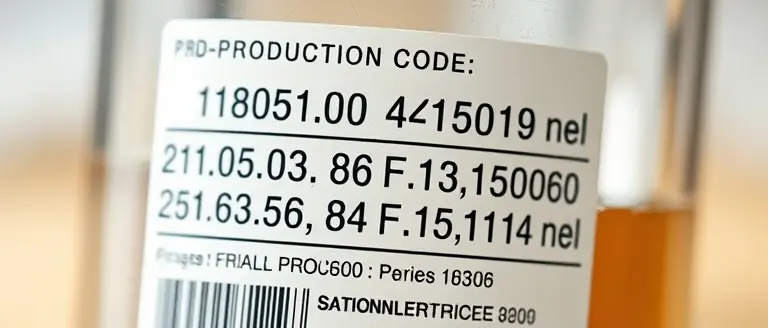
Identifying whether you have the hazardous product in your pantry is the most critical step in protecting your household. Because the FDA has classified this alfredo sauce recall as a Class I event—the highest-risk category—it is essential to perform a thorough inspection of any sauce containers currently in your possession. Do not rely solely on the brand name on the front of the packaging; manufacturing defects often affect specific production batches rather than an entire product line.
Locating Identifying Product Information
To confirm if your product is part of the 900+ cases currently being pulled from shelves across 41 states, you must examine the secondary data printed on the packaging. Please follow this checklist to verify your items:
- Lot Numbers: These are typically found printed in black ink near the bottom of the jar or along the lid rim. Cross-reference these numbers with the official FDA recall database.
- Expiration Dates: Check the “Best By” or “Use By” date. Products subject to this recall often fall within a specific production window identified in the official safety bulletin.
- UPC Barcodes: Locate the 12-digit barcode on the back of the label. The UPC is the most reliable way for retailers and consumers to confirm if a specific unit is part of the contaminated inventory.
- Placement of Data: On most glass jars, the manufacturer information is printed directly on the glass or the lower edge of the metal cap. If the ink is smeared or unreadable, do not assume the product is safe; treat it as potentially contaminated.
If you possess a jar that matches the identifying markers provided by the FDA, discontinue use immediately. Do not attempt to boil or cook the sauce, as Salmonella can survive improper heating and may cause severe foodborne illness. If you cannot definitively match your product’s information to the recall list, contact the retailer where the item was purchased or check the brand’s official website for the most recent updates on affected batch codes.
Step-by-Step: Verifying Your Pantry Inventory
Given the urgent Class I recall status issued by the FDA regarding potential Salmonella contamination in popular Alfredo sauce products, it is critical to conduct a thorough audit of your kitchen inventory immediately. Even if the product appears unopened or shows no signs of spoilage, the highest-risk classification necessitates immediate action to prevent foodborne illness. Please follow these steps to verify if the items in your home are impacted by this recall.
How to Identify Recalled Products
- Retrieve the Jar: Physically remove all jars of Alfredo sauce from your pantry or refrigerator. Do not rely on memory; you must inspect the physical packaging.
- Examine Batch and Lot Numbers: Look for the printed identification codes, usually located on the neck of the jar, the bottom, or the side label. Compare these specific lot numbers and UPC codes against the official list provided by the manufacturer or the FDA’s recall database.
- Cross-Reference Visual Markers: Check the label against the official product photos released during this safety event. Pay close attention to the brand name, flavor variations, and packaging size, as only specific production runs are subject to this removal.
- Inspect Integrity: If the packaging or seal appears compromised, treat the product with extra caution. However, remember that Salmonella is often invisible to the naked eye, so the absence of physical damage does not guarantee the product is safe to consume.
If you find a match, do not consume the product under any circumstances. Even small amounts can pose a severe health risk. Once identified, store the affected jar in a sealed plastic bag away from other food items until you can follow the official return or disposal protocol. Verification is a simple process that ensures the safety of your entire household during this widespread 41-state distribution recall.
Safety Protocols: Discarding Recalled Products Safely
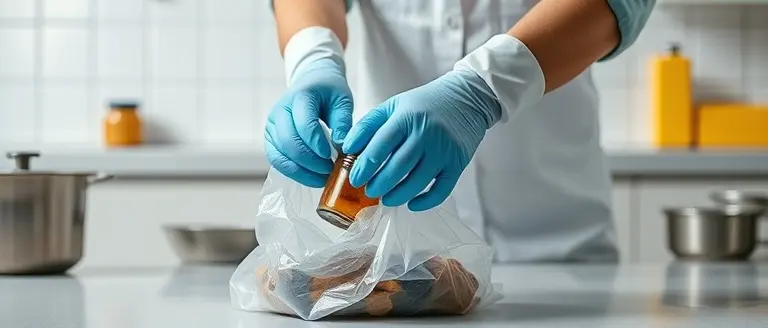
If you identify a product in your pantry that matches the identifiers for the current alfredo sauce recall, it is imperative to take immediate action to mitigate the risk of Salmonella exposure. Because the FDA has classified this event as a Class I recall, the potential for serious health consequences is high. Do not attempt to taste the sauce to verify quality, and do not donate or give the product away, as this could inadvertently spread the pathogen to others.
Step-by-Step Disposal Guide
To safely dispose of the contaminated alfredo sauce and prevent cross-contamination in your kitchen, follow these strictly defined safety measures:
- Seal the Container: If the jar is already open, tightly seal it with its original lid or transfer the contents into a sealable plastic bag. If the jar is unopened, keep it sealed.
- Double-Bagging: Place the container inside two separate plastic bags and tie them securely. This creates a barrier that prevents the sauce from leaking into your trash bin or affecting other waste items.
- Proper Disposal: Place the double-bagged item into an outdoor trash receptacle or a secure bin that is inaccessible to children, pets, or wildlife.
- Sanitize Contact Surfaces: Any surface that came into direct contact with the sauce—including countertops, spoons, can openers, or refrigerator shelves—must be sanitized. Use a solution of one tablespoon of liquid chlorine bleach per gallon of hot water, or a commercial kitchen-grade sanitizer, to thoroughly wipe down these areas.
- Hand Hygiene: Wash your hands vigorously with warm water and soap for at least 20 seconds immediately after handling the recalled product to avoid accidental ingestion or cross-contamination of other foods.
If you have already consumed the product and are experiencing symptoms of Salmonella infection, such as fever, diarrhea, or abdominal cramps, contact your healthcare provider immediately. Keep the product packaging, including lot numbers and expiration dates, as these details may be required if you seek a refund from the retailer or manufacturer once the recall process stabilizes. Prioritize your safety by treating this product as a biohazard until it is removed from your premises.
Take Control of Your Health and Vitality
Now that you have successfully identified and discarded any hazardous products from your pantry, it is time to move past the anxiety of this food safety event. While clearing your kitchen is a vital step in maintaining your immediate safety, the stress of a sudden dietary disruption can often lead to unexpected fatigue and internal imbalance.
While you work on managing your food safety and re-planning your meals, don’t overlook your body’s need for consistent metabolic support during these stressful dietary shifts. When your routines are suddenly upended, your body benefits from a proactive health reset that empowers you to take charge of your internal wellbeing.
Sugar Defender is designed to help you regain control by promoting consistent energy levels and stabilizing metabolic health, ensuring you stay clear-headed and resilient even when your environment feels chaotic. It is the perfect natural step to help you bounce back and prioritize your long-term vitality after the stress of this recall. Support your metabolism and regain your daily vitality by trying Sugar Defender today.
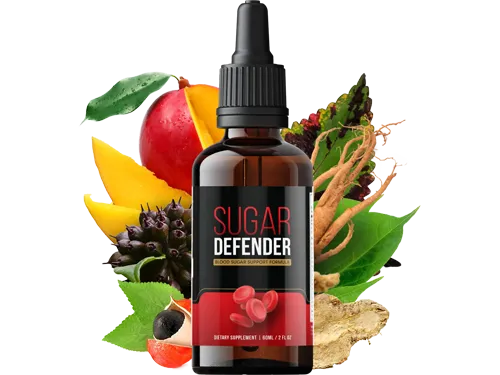 Support your metabolism and regain your daily vitality by trying Sugar Defender today.Transform My Life Today