

The confusion surrounding the New York New Jersey stadium is palpable. As the 2026 FIFA World Cup descends upon the region, thousands of spectators are finding themselves tangled in a web of conflicting transit advice and logistical ambiguity. While the tournament branding aims to unite the region, the reality for fans at MetLife Stadium—or the “New York New Jersey Stadium,” as it is officially labeled—has been an exhausting introduction to the event. From navigating the complex, often overpriced transit routes to avoiding the predatory parking prices surrounding East Rutherford, the gap between official event news and the actual on-the-ground experience has never been wider.
If you feel overwhelmed by the prospect of attending a match, you are not alone. The current atmosphere is defined by unnecessary friction, but it doesn’t have to be this way. By shifting your focus from vague tournament headlines to tactical, verified survival strategies, you can bypass the chaos that traps the average spectator. This guide is your architect-level blueprint to mastering the stadium environment, ensuring that your journey is as smooth and efficient as the beautiful game itself.
Why Is MetLife Stadium Called ‘New York New Jersey Stadium’ for the 2026 World Cup?
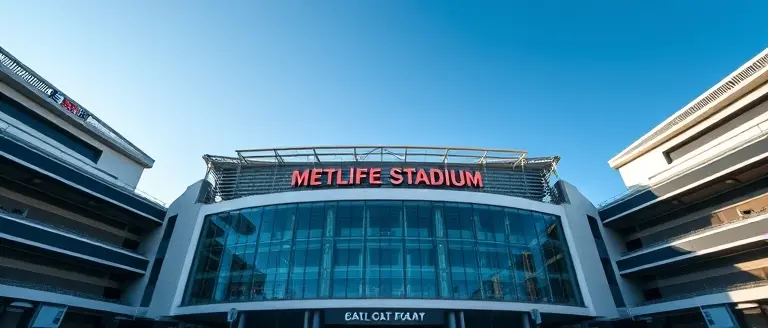
For fans attending matches in East Rutherford, the branding of the new york new jersey stadium has sparked significant debate. While the facility is physically located in New Jersey, FIFA mandates that host venues drop corporate sponsor names (like MetLife) during tournament play. To reconcile the stadium’s proximity to the global metropolis while honoring its actual home, organizers adopted the joint regional title. This branding strategy is primarily designed to capitalize on the massive international tourism appeal of New York City, ensuring the venue is easily identifiable to a global audience that may be unfamiliar with New Jersey geography.
Understanding the FIFA Branding Logic
The decision to utilize a dual-market identifier serves several logistical and commercial purposes for the 2026 FIFA World Cup:
- Global Recognition: International travelers often associate the region solely with the New York brand; including “New York” ensures the venue is associated with the city’s massive hospitality and transit hub infrastructure.
- Neutral Venue Standards: FIFA’s “clean stadium” policy strictly prohibits commercial naming rights. The governing body selects host city names rather than corporate identities to maintain a uniform tournament experience.
- Regional Collaboration: The bid for the tournament was a combined effort between the two states, aiming to pool resources and transit capabilities to handle the influx of up to 50,000 fans per match.
Despite the marketing logic, the moniker has led to local irritation. Many residents feel the name diminishes the identity of the New Jersey community that hosts the actual infrastructure. For visitors, it is essential to remember that regardless of the branding, the stadium remains squarely in the Meadowlands. Understanding this distinction is vital for planning your trip, as navigation tools and transit routes are anchored to the specific New Jersey transit network rather than NYC-centric transit systems. By clarifying this naming convention, we can look past the confusion and focus on the practical realities of reaching the stadium safely and efficiently.
Navigating Transit: The Fastest Ways to Reach the Stadium from NYC

Reaching the New York New Jersey stadium for 2026 FIFA World Cup matches requires precise planning, as transit infrastructure faces unprecedented pressure. Fans traveling from Manhattan have three primary options: the Meadowlands Rail line, official shuttle buses, and rideshare services. While the rail is often touted as the fastest route, it requires a transfer at Secaucus Junction. During high-demand match days, queues for the transfer can create significant bottlenecks. To save time, purchase your NJ Transit tickets in advance through the mobile app to bypass ticket vending machine lines, which are currently experiencing severe congestion.
Transit Comparison and Pro-Tips
- Meadowlands Rail Line: This remains the most reliable transit method. However, allow at least 90 minutes of travel time from Penn Station to account for potential platform overcrowding at Secaucus Junction.
- FIFA Shuttle Buses: With train costs surging, many fans are opting for official tournament buses. While these provide direct access to the stadium gates, they are susceptible to road traffic on the New Jersey Turnpike. Book these early, as availability is limited for non-ticketed match days.
- Rideshare Strategy: Avoid being dropped off at the main stadium entrance, which is prone to gridlock. Instead, consider taking a transit service to a nearby hub in New Jersey and utilizing a local rideshare for the “last mile” to minimize surge pricing and time spent in standstill traffic.
To avoid the “chaos” reported during peak match hours, experts recommend leaving Manhattan at least four hours before kickoff. If you rely on the NJ Transit app, ensure your phone is fully charged and offline tickets are loaded, as cellular service often drops near the stadium due to the density of 50,000 fans. By prioritizing rail over road-based travel, you can circumvent the worst of the logistics-related delays currently affecting the area.
Parking Hacks and Alternatives: Avoiding the Stadium Logistical Nightmare
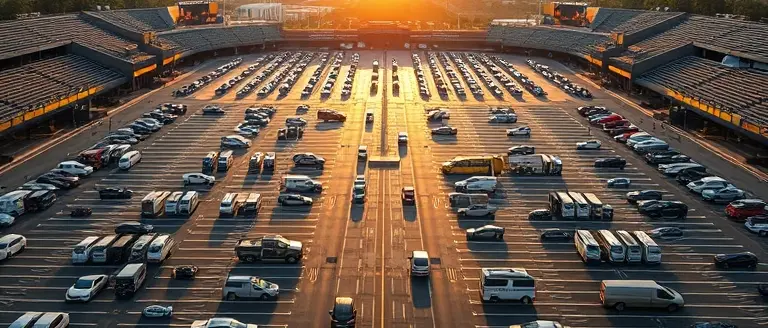
Navigating the new york new jersey stadium during the 2026 FIFA World Cup requires a strategic approach to avoid the inevitable gridlock that plagues the East Rutherford sports complex. With official on-site parking prices reaching premium levels and space limited by tournament security protocols, many fans are finding that traditional drive-up parking is both cost-prohibitive and a recipe for multi-hour delays. If you must drive, experts strongly advise securing a digital parking pass well in advance through official FIFA portals, as day-of-event availability is essentially non-existent.
Strategic Parking and Commuter Alternatives
To bypass the “logistical nightmare” reported by the New York Post, savvy attendees are turning to satellite locations and unconventional arrival methods. Consider these tips to regain control of your travel schedule:
- Utilize Off-Site Satellite Lots: Research third-party parking garages in nearby towns like Secaucus or Rutherford. Many local businesses offer shuttle services to the stadium perimeter, which can be significantly cheaper than official lots while allowing for a faster exit post-match.
- The Carpool Advantage: High-occupancy vehicle policies sometimes grant access to preferred parking zones or expedited entry lanes. Coordinate with fellow fans to reduce the number of vehicles entering the complex, which helps minimize your personal exposure to heavy traffic.
- Time Your Transit: Arriving at least four to five hours before kickoff is essential to avoid the peak congestion period. Conversely, staying in your seat for 30–45 minutes after the final whistle can allow the initial rush of traffic to clear, significantly reducing your frustration on the way out of New Jersey.
- Avoid the Main Entrance: Use navigation apps that account for real-time World Cup road closures. Accessing the stadium via secondary roads rather than the primary highway arteries often saves valuable time, provided you follow local signage and traffic management directions strictly.
By abandoning the urge to park as close to the gates as possible, you can effectively navigate the influx of 50,000 fans. Planning your exit route before you even arrive at the stadium is the single most effective way to ensure your World Cup experience remains focused on the match rather than the parking lot queue.
Survival Tips for the World Cup Fan Experience
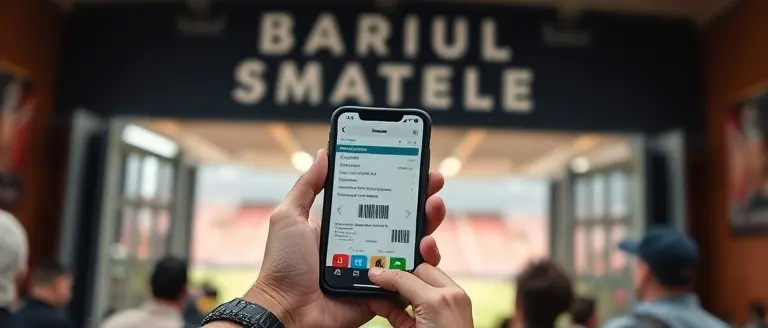
Navigating the new york new jersey stadium during the 2026 FIFA World Cup requires more than just a ticket; it demands a strategic plan to avoid the logistical hurdles reported by thousands of frustrated attendees. With the influx of over 50,000 fans per match, the facility in East Rutherford, new jersey, can quickly become a bottleneck for cellular service and physical movement. To ensure a smooth experience, verify your mobile tickets while still on a stable Wi-Fi network before arriving at the venue, as localized signal congestion often renders ticketing apps unresponsive near the gates. Furthermore, strict adherence to the FIFA clear bag policy is non-negotiable; security checkpoints are operating with heightened scrutiny, and any non-compliant items will result in immediate denial of entry.
Essential Game-Day Logistics
To maintain your composure and budget amidst the high-stakes environment, keep these expert tips in mind:
- Hydration and Dining: Expect premium pricing for all concessions inside the stadium. To mitigate costs, bring a sealed plastic water bottle as permitted by venue guidelines, and consider eating at local Meadowlands-area establishments before entering the gates to avoid long lines and price gouging.
- Connectivity Hacks: With massive crowds, cellular networks frequently hit capacity. If you need to coordinate with your group, set a definitive, non-digital “meeting point” outside the seating bowl immediately upon arrival.
- Transit Contingencies: Given the high demand for rail services, buses have emerged as a viable, albeit crowded, alternative. If you are traveling from the city, factor in an additional 90 minutes of transit time beyond what GPS estimates, as road traffic near the new york new jersey stadium remains notoriously unpredictable during major tournament days.
- Early Arrival: Arriving at the gates at least three hours before kickoff is highly recommended to clear security and find your seat without the stress of missing the opening ceremony or kickoff whistle. By prioritizing these service-oriented preparations, you can bypass the common “event chaos” and focus entirely on the match.
Master Your World Cup Experience Like a Pro
Navigating the logistical chaos surrounding the New York New Jersey stadium doesn’t have to be a gamble. By bypassing the common pitfalls of inflated transit costs and overcrowded parking, you can transform your tournament attendance from a stressful ordeal into a seamless, memorable event. The difference between a frustrated fan caught in gridlock and one gliding through the venue gates lies entirely in preparation and having a reliable, verified roadmap.
Just as a professional project requires a precise, error-proof blueprint to avoid costly delays, your travel strategy for the New York New Jersey stadium needs a proven, step-by-step master plan to avoid the logistical chaos that is currently trapping thousands of unprepared fans. This is where Ted’s Woodworking becomes the essential metaphorical companion for your journey. Much like the guide provides structured blueprints that eliminate the risk of amateur mistakes in complex construction, applying this same philosophy to your tournament planning ensures you avoid the trial-and-error traps that lead to wasted time and money.
By adopting a systematic, architect-level approach to your stadium logistics, you gain the confidence that comes with a foolproof plan. Stop relying on incomplete information and start following the master plan—click here to access your foolproof blueprint for a seamless stadium experience.
 Stop relying on incomplete information and start following the master plan—click here to access your foolproof blueprint for a seamless stadium experience.Yes, I Want to Secure My Blueprint Now!