
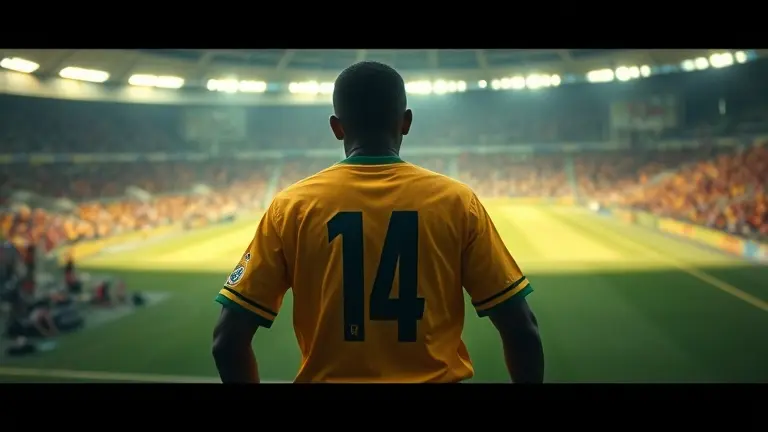
As the 2026 FIFA World Cup ignites passion across North America, the ghost of Pelé looms larger than ever. Following the United States’ gritty opening match against Paraguay, the narrative surrounding this tournament has shifted from mere statistics to a deep, historical longing for the ‘beautiful game’s’ true essence. While broadcasters like FOX Sports invoke ‘The Poetry of Pelé’ to frame the emotional stakes of Brazil’s hunt for a sixth star, casual fans and analysts alike are left asking: does the current generation truly possess the Pelé factor, or are we simply witnessing a tactical evolution that has traded sheer, unadulterated genius for rigid, scientific efficiency?
Understanding this transition requires more than a highlight reel; it demands a forensic look at the movement, cognitive processing, and creative decision-making of modern icons like Vinicius Jr. By comparing the 2026 World Cup legacy against the gold standard of football history, we can distinguish between mere athletic prowess and the transcendent brilliance that defined a legend. To fully grasp these nuances—and to truly see the game as the masters did—you need more than just a keen eye; you need a sharp, focused mind capable of synthesizing split-second tactical shifts in real-time.
The Ghost of the King: Why Pelé is the Narrative Anchor of the 2026 World Cup
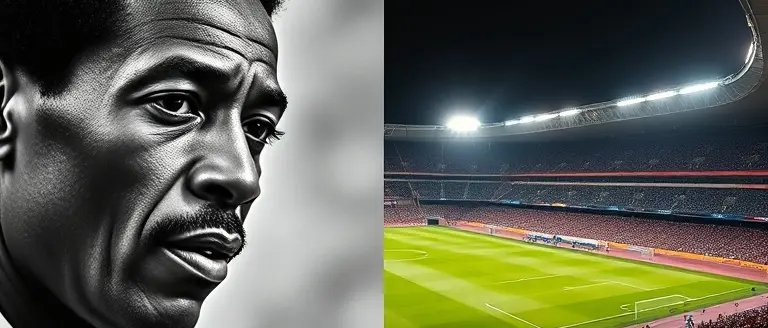
As the 2026 FIFA World Cup unfolds across the United States, Canada, and Mexico, a singular figure looms over the tournament: Pelé. While current superstars like Vinicius Jr. carry the weight of expectation for the Brazilian national team, the media narrative—led by high-profile features like FOX Sports’ “The Poetry of Pelé”—has positioned the late icon as the ultimate yardstick for excellence. In a tournament designed to showcase the evolution of the global game, the invocation of Pelé serves as a necessary anchor, grounding the frenetic pace of modern soccer in the historical grandeur that defined the sport’s golden era.
The Emotional Stakes of 2026
The discourse surrounding Brazil’s 24-year title drought is inextricably linked to the legacy of the “King.” For modern fans and newcomers to the sport in the US, the contrast between today’s tactical rigidity and Pelé’s spontaneous brilliance provides a compelling hook. This nostalgic benchmark does more than just fill airtime; it creates a psychological framework for the tournament:
- Elevated Expectations: The pressure on the current Brazil squad is framed through the lens of a “sixth title” mandate, a threshold established by the very standards Pelé set in 1958, 1962, and 1970.
- Narrative Continuity: By comparing the movement and decision-making of modern players to archival footage of the legend, broadcasters are building emotional arcs that emphasize creativity over cold data.
- The Global Standard: Pelé represents the “Pelé factor”—the intersection of joy, audacity, and clinical execution that pundits now search for in every group-stage breakout performance.
By centering the conversation on this enduring legacy, the 2026 tournament transcends mere statistics. It transforms the early group stages into a search for a spiritual successor, ensuring that even in an age of advanced analytics and tactical frameworks, the artistry of the past remains the definitive soul of the beautiful game.
Brazil’s Quest for the Sixth Star: Searching for the ‘Pelé Factor’ in 2026
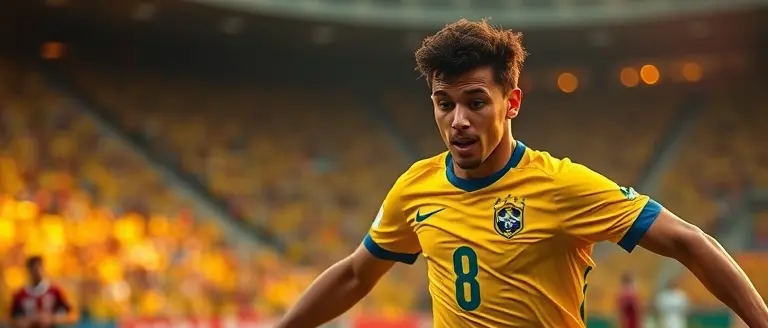
As the 2026 FIFA World Cup progresses, the specter of Pelé looms larger than ever over the Brazilian national team. Brazil enters this tournament carrying a 24-year trophy drought, a heavy burden for a nation synonymous with the beautiful game. The current squad, headlined by superstars like Vinicius Jr., faces an unprecedented level of scrutiny as they chase a elusive sixth World Cup title. While modern tactical systems prioritize rigid structure and defensive transitions, the Brazilian public and global media continue to invoke the “Pelé factor”—that transcendent ability to blend clinical efficiency with spontaneous, match-winning creativity—as the benchmark for greatness.
Evaluating the Modern ‘Pelé Spirit’
The technical gap between the “King” and the modern game is bridged by the tactical responsibilities placed on today’s wingers and forwards. Evidence suggests that for Brazil to succeed in 2026, their attacking core must transcend standard metrics. Key analytical focal points include:
- Decision-Making Under Pressure: Unlike the classic era, modern defenses are mathematically optimized to neutralize star players. The “Pelé factor” today manifests as the capacity to bypass high-pressing midblocks with singular, high-IQ movements.
- Creative Fluidity: Vinicius Jr. and his cohorts must demonstrate the positional intelligence to drift into half-spaces, effectively disrupting the disciplined defensive shapes favored by European-style tactical setups.
- Mental Fortitude: The weight of history remains a primary obstacle. Whether this squad can replicate the psychological dominance Pelé projected in the 1950s and 60s will be the defining narrative of their 2026 campaign.
Ultimately, while the tactical demands of the 2026 game have evolved, the requirement for a talismanic figure remains constant. Whether the current roster can synthesize these legacy expectations with the rigor of modern tournament football will determine if they can finally end their drought and capture the elusive sixth star.
Soccer History vs. Modern Game: Breaking Down the ‘Perfect Plays’

As the 2026 FIFA World Cup progresses, the specter of Pelé serves as the ultimate benchmark for tactical brilliance. While the modern game has undergone a seismic shift toward high-intensity pressing and data-driven conditioning, the core DNA of a “perfect play” remains tethered to the creative genius pioneered by the Brazilian legend. By analyzing archival footage of Pelé alongside recent highlights from the current tournament, we can identify exactly how the mechanics of elite soccer have evolved.
The Evolution of Spatial Intelligence
Historically, Pelé relied on intuitive spatial awareness—what coaches now call “off-the-ball manipulation.” In the 1960s and 70s, this was a singular art form; today, it is a team-wide discipline. Modern stars like Vinicius Jr. exhibit a similar capacity to draw defenders out of position, yet the execution is now aided by advanced heat-mapping and tactical scouting.
- Movement: Pelé prioritized fluid, improvised runs that exploited man-to-man marking. Modern players function within rigid, high-press systems, making their moments of individual brilliance even more reliant on finding micro-gaps in structured defensive lines.
- Decision-Making: The speed of the 2026 game requires faster processing. Where the icon might have taken a touch to weigh his options, current players are trained to execute one-touch passes under extreme pressure, reflecting the evolution from “individual heroics” to “collective efficiency.”
Clinical Finishing and the ‘Pelé Factor’
The quest for a sixth Brazil title in the 2026 World Cup hinges on whether the current squad can replicate the clinical finishing that defined the GOAT. The fundamental physics of the strike remain unchanged, but the defensive density has increased significantly. True greatness in this tournament is measured by the ability to blend the raw, instinctual creativity of the past with the disciplined tactical positioning of the modern era. Those who master this duality are not just players; they are the true successors to the legacy of the game’s greatest icon.
Defining the 2026 World Cup Legacy: Beyond the Stat Sheet
As the 2026 FIFA World Cup unfolds across North America, the discourse surrounding greatness has shifted away from sterile match statistics toward the intangible “Pelé factor.” While modern sports analytics excel at measuring high-speed sprints and expected goals (xG), the 2026 World Cup legacy is being defined by a player’s ability to mirror the effortless artistry of Pelé. For contemporary stars like Vinicius Jr., the challenge is not merely to win but to deliver moments of creative spontaneity that transcend the rigidity of modern tactical systems. Casual viewers and pundits alike are increasingly using the legend of Pelé as the ultimate barometer for success, seeking that rare, poetic intersection of fluid movement and instinctive decision-making that defines a true icon of soccer history.
To cement a legacy in this tournament, players must move beyond statistical efficiency and embrace the “spirit of the game” that Pelé mastered. This requires a specific set of attributes that separate a reliable performer from a generational talent:
- Spontaneous Creativity: The ability to execute off-script maneuvers under intense defensive pressure, reminiscent of classic highlights that defined the sport’s golden era.
- Narrative Impact: Making decisive, memorable plays during high-stakes matches that shift the momentum of the entire tournament, rather than just accumulating possession.
- Tactical Fluidity: Displaying the versatility to thrive in any attacking configuration, effectively linking up with teammates while maintaining individual brilliance.
Evidence suggests that the pressure on the current Brazil 2026 squad is significant, as they carry the weight of a 24-year title drought. Fans are looking for a spark—a “Pelé-esque” moment—that bridges the gap between historical expectations and the demands of the modern game. Ultimately, the defining legacy of 2026 will not be found in a spreadsheet, but in the enduring, emotive impact players have on a new generation of fans witnessing the world’s greatest stage.
Master the Tactical Nuance of the 2026 World Cup
The pursuit of greatness in the 2026 tournament is not just about physical endurance; it is about the cognitive capacity to interpret the game’s geometry, much like Pelé did decades ago. As we analyze the performance of modern stars, it becomes clear that those who succeed are the ones who process the pitch with unmatched mental clarity, anticipating plays before they develop. This analytical edge is what separates a fleeting sensation from a lasting historical legacy.
Just as elite players like Vinicius Jr. require split-second cognitive clarity to replicate the ‘Pelé spirit’ on the pitch, your ability to process these complex tactical shifts depends entirely on your own mental sharpness. This is where The Brain Song becomes your essential companion. By enhancing your focus and learning capacity, this intellectual performance tool allows you to peel back the layers of professional strategy, giving you the same heightened perception as the legends you study.
You aren’t just watching a match; you are witnessing history. Don’t let the subtle tactical genius of the 2026 World Cup slip by because of mental fatigue. Sharpen your edge, elevate your understanding of the sport, and transform the way you experience every pass, dribble, and goal. The difference between a passive viewer and a tactical connoisseur is simply a matter of mental optimization.
 Unlock your peak analytical focus to master the nuances of the 2026 World Cup—experience the 12-minute brain-optimizing ritual here.Yes, I Want To Sharpen My Focus Now!