
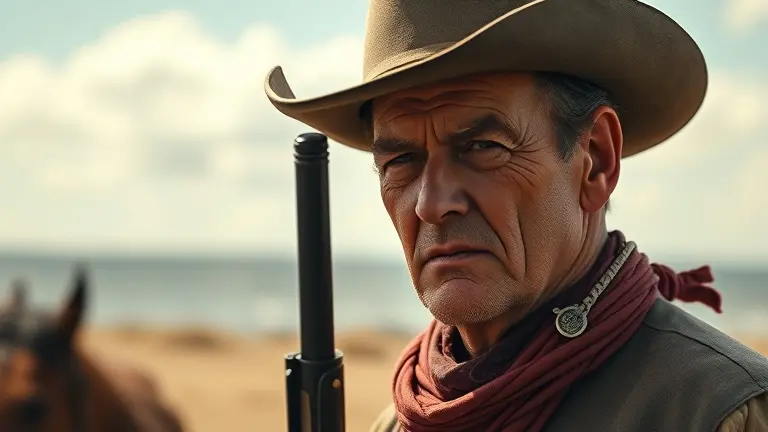
Decades after his final bow in The Shootist, John Wayne remains a colossal figure in the American consciousness, standing as more than just an actor—he is a symbol of an era defined by grit, self-reliance, and an unwavering moral compass. While anniversary commemorations often focus on his filmography, the true legacy of ‘The Duke’ lies in how he shaped our understanding of masculinity and independence. As we navigate the complex landscape of 2026, the archetype of the frontier hero feels less like a relic of the past and more like a necessary beacon for those who value authenticity in an increasingly digital and disconnected world.
Beyond the silver screen, the mythos of the American cowboy persists because it represents a fundamental human desire: the ability to face adversity head-on, armed only with one’s own resolve and competence. By examining Wayne’s iconic portrayal of the rugged individual, we uncover a timeless blueprint for personal agency. This exploration goes beyond historical nostalgia, seeking to reconnect with the core values of craftsmanship and mastery that once defined the rugged spirit of the American West.
The Persistence of the Duke: Reflecting on John Wayne’s Legacy in 2026
As we observe the 47th anniversary of his passing this June, the cultural footprint of John Wayne remains remarkably vibrant, transcending the temporary spikes in search interest associated with calendar markers. While casual observers may encounter unrelated local business entities or incidental figures sharing his name, the true essence of the “Duke” persists as a foundational element of American identity. Unlike fleeting pop culture trends, Wayne’s image operates as a permanent fixture in the collective consciousness, functioning less as a historical relic and more as a barometer for how society views the intersection of morality, strength, and the American frontier.
Why the Mythos Endures
The durability of John Wayne’s legacy is not merely a product of nostalgic film screenings; it is rooted in his ability to represent a specific, archetypal version of American masculine identity. By analyzing his filmography beyond the typical biographical summaries, we can identify why his influence is so pervasive in 2026:
- Moral Clarity: Wayne’s characters often navigated complex ethical landscapes with an unwavering, albeit sometimes rigid, sense of personal honor.
- The Cinematic Frontier: His work helped codify the visual language of the Western genre, setting a standard that contemporary directors still grapple with or subvert today.
- Symbolic Stability: In an era of rapid technological and social transition, the stoic, self-reliant cowboy remains a touchstone for those exploring the evolution of the national character.
Even forty-seven years after his death, the discussion surrounding Wayne has shifted from simple celebrity worship to a deeper, more academic inquiry into how his persona defined the “hero” in the American imagination. By separating the man from the myriad of incidental search results and focusing on his contribution to the Western film genre, we gain a clearer understanding of why his shadow continues to stretch across the landscape of modern media. His persistence is not just about the past; it is a testament to the enduring human need for archetypes that offer a sense of order in an increasingly unpredictable world.
The American Archetype: John Wayne as a Proxy for Masculine Identity
The cultural footprint of John Wayne extends far beyond his filmography, positioning him as the definitive architect of mid-20th-century American masculinity. Throughout his prolific career, Wayne cultivated an image rooted in the rugged, silent frontier individual—a man defined not by his words, but by his unwavering conviction and adherence to a strict personal code. This archetype, characterized by physical stoicism and a duty-bound approach to conflict, served as a mirror for a nation defining itself through global post-war influence. By 2026, while the traditional Western genre has evolved, the “Wayne persona” remains a primary point of reference in discussions regarding the transformation of masculine ideals and the search for authentic leadership.
From Frontier Icon to Complex Mortality
The evolution of this icon is perhaps best exemplified by his final performance in The Shootist. As J.B. Books, Wayne transitioned from the invincible hero of his earlier films into a vulnerable, aging gunslinger facing terminal illness. This departure from his typical cinematic invulnerability provided a poignant commentary on human frailty. Modern audiences analyzing this role observe:
- Stoicism in Crisis: Wayne’s portrayal demonstrated that true strength involves acknowledging one’s mortality with dignity rather than defiance.
- The Burden of Legacy: The film serves as a meta-textual exploration of how a man reconciles his past violence with the inevitable approach of the end.
- Modern Reinterpretation: Contemporary viewers often contrast Wayne’s rigid, 1970s-era masculinity with modern, more emotionally expressive archetypes, noting how his performances bridged the gap between traditional grit and introspective humanity.
Ultimately, the mythos of John Wayne persists because he codified a specific brand of American identity—one that prizes resilience and direct action. Whether viewed through an academic lens or a nostalgic one, his ability to embody a complex, evolving version of the American Cowboy ensures that his influence remains central to how society interprets masculinity in the 21st century.
Beyond the Frontier: The Evolution of the Western Mythos

The enduring silhouette of John Wayne remains a persistent ghost in the machinery of American cultural identity. While the traditional Western genre experienced a decline following the collapse of the studio system, the “Duke” morphed into a symbolic shorthand for stoicism and rugged individualism that transcends the cinematic frontier. As we move further into the digital age of 2026, the John Wayne persona serves as a resilient touchstone, operating simultaneously as a nostalgic anchor for traditional values and a complex canvas for modern critical deconstruction. Unlike transient celebrities, Wayne’s iconography is tethered to the foundational myth of the American Cowboy, a concept that persists because it addresses fundamental anxieties regarding autonomy and self-reliance in an increasingly hyper-connected, globalized world.
The Digital Resonance of a Cinematic Icon
The survival of the Wayne brand into the current era is not accidental; it is a byproduct of the mythos’s adaptability. In modern media, we see this in how audiences engage with his legacy:
- Archetypal Stability: The John Wayne figure provides a consistent model of the “heroic loner,” a trope that continues to underpin contemporary action cinema and character-driven television.
- Cultural Re-evaluation: Rather than fading into obscurity, the actor’s body of work—specifically films like The Shootist—is being revisited through a nuanced lens that critiques the violent realities of the Old West while honoring the gravity of his performances.
- Symbolic Versatility: His image acts as a neutral proxy for debates on American masculinity, allowing both detractors and proponents to project their respective views on national identity onto his expansive filmography.
Ultimately, the mythos persists because it offers a sense of stability. In a fragmented information landscape, the image of the stoic gunslinger remains a powerful, if contested, symbol of an America that once perceived its path as clear and its moral boundaries as defined. By transitioning from a mere historical figure to a sociological marker, John Wayne ensures his place in the digital dialogue, proving that the frontier was never truly closed—it simply migrated into the collective consciousness.
Enduring Cinema: Why ‘The Shootist’ Remains a Masterclass in Legacy
Released in 1976, Don Siegel’s The Shootist serves as the definitive capstone to the illustrious career of John Wayne. While many of his earlier features cemented the image of the stoic, invincible frontier hero, this final performance pivoted toward the inevitability of mortality. By portraying J.B. Books, an aging gunfighter diagnosed with terminal cancer, John Wayne mirrored his own real-life health battles, creating a profound, meta-textual bridge between the actor and his iconic cinematic persona. This film did not merely conclude a filmography; it codified the mythos of the American cowboy as a figure who, despite being rendered obsolete by a changing, industrialized society, maintains his moral code until the very end.
Critics today view The Shootist as a masterclass in thematic resonance for several distinct reasons:
- Deconstruction of the Myth: The film explicitly examines the “man who shoots men” not as a glorious figure, but as a man exhausted by the violence required to maintain a frontier peace.
- Modern Representation of Mortality: Unlike the sanitized departures of earlier Westerns, the film approaches terminal illness with a gravity that resonates with contemporary audiences, making the character’s vulnerability the primary source of his strength.
- Generational Passing of the Torch: Through interactions with supporting characters played by Ron Howard and Lauren Bacall, the film navigates the difficult transition from the Wild West to the dawn of the 20th century.
This nuanced portrayal transformed John Wayne from a static symbol of rugged American masculine identity into a complex, tragic figure capable of profound introspection. In the context of 2026, The Shootist remains the primary lens through which film scholars analyze the intersection of celebrity legacy and historical cinema. By confronting his own obsolescence on screen, Wayne ensured that his work transcended the Western genre, securing a permanent place in the canon of American artistic achievement. The film stands as a testament to the idea that true legacy is not found in the number of enemies defeated, but in the dignity with which a legend faces their final chapter.
Carving Your Own Legacy in a Modern World
The enduring magnetism of John Wayne isn’t merely found in his iconic roles, but in the character traits he projected: reliability, persistence, and the quiet satisfaction of a job well done. Just as the heroes of the Western frontier carved a life out of the untamed landscape through sheer force of will, today’s pursuit of the ‘American dream’ is increasingly found in the tangible satisfaction of building something with your own two hands. Transitioning from the spectator of history to the architect of your own environment is the ultimate way to honor the spirit of self-sufficiency that defined the icons of the Old West.
You don’t need a sprawling ranch to cultivate the integrity, precision, and grit associated with the legendary craftsmen of the past. Ted’s Woodworking acts as your modern-day workshop manual, bridging the gap between historical admiration and active personal achievement. By providing the technical blueprints and expert guidance required to master the craft, this collection allows you to physically engage with the tradition of manual mastery, transforming the romanticized ideal of the pioneer into a rewarding, hands-on reality that stands the test of time.
Embracing the legacy of the master craftsman is about more than just building furniture; it is about reclaiming the independence and pride that come with tangible, high-quality results. Whether you are a seasoned hobbyist or a beginner looking to build your first project, these plans provide the structure needed to elevate your skills and leave a lasting mark on your home. Start your journey toward self-reliance today.
 Embrace the legacy of the master craftsman—start your own project today with the ultimate library of precision woodworking plans.Yes, I Want This Now!