

The atmosphere at MetLife Stadium during the Brasil vs. Marruecos clash was nothing short of electric, serving as a definitive highlight of the 2026 FIFA World Cup Group C stage. This 1-1 draw was far more than a simple scoreline; it was a high-stakes tactical chess match between the global powerhouse of Brazil and the disciplined, resilient Moroccan squad that continues to redefine African football. While millions focused on the raw drama of the game, the deeper narrative lies in how Morocco’s sophisticated defensive structure systematically neutralized Brazil’s creative attack, forcing a stalemate that leaves the entire group trajectory wide open.
As we dissect the post-match performance metrics and the evolving standings of Group C, it becomes clear that superficial analysis no longer suffices for the serious observer. Understanding the nuances of these tactical shifts requires a level of mental acuity that matches the intensity on the pitch. To truly grasp how this result impacts the road to the knockout stages, we must look beyond the basic highlights and engage with the underlying complexity of the game.
World Cup 2026: The Clash of Titans at MetLife Stadium
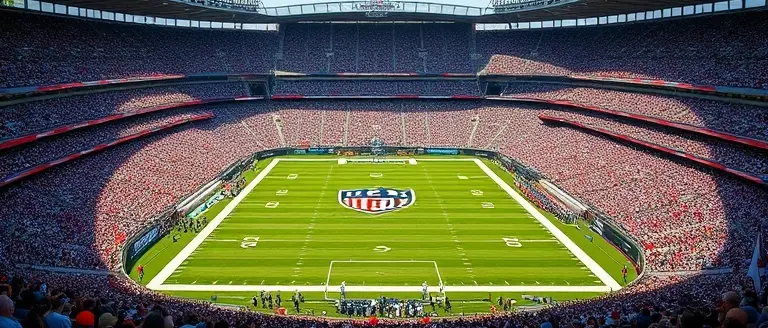
The June 13, 2026, encounter between brasil and marruecos at MetLife Stadium in East Rutherford, New Jersey, stood out as a marquee fixture of the FIFA World Cup 2026. As a critical Group C showdown, the match brought together two distinct footballing philosophies: the relentless, flair-heavy attacking dominance of Brazil and the tactical, gritty resilience that defined Morocco’s historic 2022 semifinal run. With the eyes of the world fixed on the New Jersey venue, the atmosphere was electric, reflecting the high stakes of a tournament where every point holds significant weight for knockout-stage qualification.
A Battle of Tactical Pedigrees
The anticipation surrounding brasil vs. marruecos was well-founded. Brazil entered the tournament as a perpetual favorite, aiming to solidify their historical legacy, while Morocco arrived with a proven pedigree for dismantling top-tier European and South American opposition. The synergy between these two teams created a compelling narrative of contrast. Throughout the first half, the match lived up to the hype, characterized by high-intensity transitions and clinical finishing. Key aspects of this competitive environment included:
- The Venue Factor: MetLife Stadium provided a world-class stage, with a capacity crowd amplifying the intensity of every touch and tackle.
- Tactical Maturity: The 1-1 draw highlighted how effectively Morocco’s defensive structure could neutralize world-class individual talent like Vinicius Jr., forcing Brazil to rely on moments of sheer brilliance.
- Group C Implications: As both nations vied for supremacy in the group, the draw effectively tightened the standings, ensuring that the final matchday would carry immense pressure for both sides.
Ultimately, this brazil vs marruecos clash served as a microcosm of the 2026 World Cup’s competitiveness. By neutralizing a global powerhouse through tactical discipline and opportunistic counter-attacking, Morocco reaffirmed their status as a global contender, while Brazil’s performance underscored the challenges inherent in breaking down elite defensive blocks on the biggest stage in sports.
Tactical Breakdown: Analyzing the 1-1 Draw
The Brasil vs. Marruecos clash at MetLife Stadium offered a masterclass in tactical discipline versus individual brilliance. Morocco entered the match with a rigid 4-1-4-1 defensive structure, successfully neutralizing Brazil’s creative midfield by closing down passing lanes into the final third. Throughout the first half, the Atlas Lions prioritized a low block, forcing Brazil to rely on peripheral ball movement rather than penetration through the center. This strategic discipline limited Brazil to just three shots on target in the opening 45 minutes, despite holding 62% of the possession.
Key Tactical Adjustments and Performance Metrics
The breakthrough for Brazil vs. Marruecos came through individual excellence rather than systemic breakdown, with Vinicius Jr. delivering a sensational ‘golazo’ that momentarily breached the Moroccan wall. However, Ismael Saibari’s clinical chip goal highlighted the vulnerability of Brazil’s high defensive line during transition phases.
To counter Morocco’s resilience, Brazil made significant tactical shifts in the second half:
- Wing Play Expansion: Brazil transitioned from an inverted winger approach to utilizing natural width, aiming to stretch the Moroccan defensive block horizontally.
- Midfield Press: The substitution of fresh legs in the 65th minute allowed Brazil to increase their counter-pressing intensity, forcing turnovers in the midfield that led to late-match pressure.
- Substitution Impact: Morocco’s decision to bring on defensive-minded midfielders solidified their back four, effectively absorbing the wave of late Brazilian attacks and securing the point.
Statistically, the match ended with Morocco maintaining a high interception rate in the middle third, proving that their defensive scheme was the defining factor of the contest. While the brasil marruecos result leaves both teams with work to do in Group C, the tactical parity displayed in East Rutherford serves as a warning to other top seeds: this iteration of the Moroccan squad is capable of frustrating any global powerhouse through structured, disciplined organization.
Group C Standings and the Path to the Knockout Stages

The hard-fought 1-1 draw between Brasil and Marruecos at MetLife Stadium has sent shockwaves through the Group C standings, creating a volatile scenario as the World Cup 2026 group stage nears its conclusion. With both sides now sitting on a delicate point tally, the path to the Round of 16 has narrowed significantly, placing immense pressure on their upcoming final fixtures. For Brazil, the objective remains clear but more precarious; they must capitalize on their superior goal difference while ensuring they do not underestimate their final opponent. Conversely, Morocco has proven through this brazil vs. marruecos encounter that their defensive discipline and clinical transition play make them a genuine threat to any top-tier side, effectively keeping them in control of their own destiny.
Strategic Implications for Qualification
To advance to the knockout stages, both nations must navigate specific statistical requirements based on the current table dynamics:
- Brazil’s Path: A win in their final group match will likely guarantee them the top spot, provided they maintain a robust goal difference. A draw, however, could leave them vulnerable to tie-breakers if other teams in the group secure maximum points.
- Morocco’s Path: After holding the heavyweights to a draw, Marruecos needs a victory to safely secure a top-two finish. A second draw could complicate their progression, forcing them to rely on the results of other matches to avoid an early exit.
- Tie-Breaker Risks: Given the competitive nature of Group C, discipline and fair play points may become the deciding factor if teams finish level on points and goal differential.
The tactical stalemate seen in this brazil marruecos showdown highlights that the gap between global giants and emerging football powerhouses is narrowing. As these teams prepare for their final push, the focus shifts to recovery and tactical adjustments, as the margin for error has effectively vanished for both squads. Fans and analysts alike are now watching the secondary matches closely, as every goal scored or conceded will directly dictate the knockout stage bracket for the remainder of the tournament.
Match Highlights and Viewing Information
The brasil vs. marruecos showdown at MetLife Stadium delivered one of the most compelling tactical displays of the 2026 FIFA World Cup. The 1-1 stalemate in this Group C fixture kept fans on the edge of their seats from kickoff to the final whistle. Brazil’s attacking prowess was on full display when Vinicius Jr. netted a stunning ‘golazo’ that showcased his elite individual technical ability. However, Morocco proved why they are a formidable force in international football; their defensive discipline allowed them to absorb pressure, leading to a perfectly executed chip goal by Ismael Saibari that leveled the scoreline and shifted the momentum back to the North Africans.
Key Match Moments and Accessing Highlights
This high-stakes match served as a benchmark for both teams as they navigate the difficult Group C landscape. Fans looking to relive the pivotal moments—from the intense midfield battles to the critical saves made by both goalkeepers—can access official highlights through verified channels.
- Official Highlights: View the full extended highlights and goal breakdowns on the FIFA+ streaming platform or the official YouTube channel for the 2026 World Cup.
- Match Statistics: For detailed player performance metrics, heat maps, and passing accuracy data, visit major sports outlets like NBC Sports or CBS Sports.
- Future Live Scores: To stay updated on the remainder of the tournament, utilize the real-time scoreboards available on the Google search match interface or the OneFootball app.
The result of the brazil vs marruecos match forces a re-evaluation of the group standings. As the tournament progresses, the ability of both teams to manage fatigue and execute tactical adjustments will be the deciding factor in their respective paths to the knockout stages. Following this result, analysts suggest that Morocco’s defensive structure has set a new standard for how to neutralize elite attacking units in this tournament.
Mastering the Tactical Nuance of the World Cup
The 1-1 draw between Brasil and Marruecos serves as a profound reminder that elite football is decided by minute, calculated adjustments. As the tournament progresses, the margin for error narrows, and the ability to process complex data patterns—from defensive positioning to player endurance metrics—will distinguish the casual fan from the true student of the game. Just as these athletes require peak mental clarity to execute high-pressure tactical shifts, analyzing these matches demands a sharp, focused mind to synthesize the data that defines modern sports.
This is where The Brain Song becomes an essential asset for the dedicated sports analyst. By enhancing cognitive focus and eliminating the mental fog that often obscures the deeper patterns of play, The Brain Song allows you to digest these complex tactical breakdowns with newfound precision. It is the definitive mental performance tool designed for those who refuse to settle for surface-level coverage, ensuring you remain as sharp as the professionals on the field.
By integrating this into your routine, you move from being a passive viewer to an active participant in the tournament’s evolution, equipped with the mental edge necessary to master the details of every fixture. Elevate your analytical game and prepare for the remainder of the World Cup with absolute clarity.
 Unlock your analytical edge and sharpen your focus for the remainder of the World Cup with The Brain Song—start your 12-minute daily routine today.Sharpen My Analytical Mind Now!