
As the sun sets over MetLife Stadium on June 13, 2026, the global spotlight intensifies on Brasil. This is not merely an opening match against Morocco; it is the starting point of an arduous campaign to extinguish a 24-year title drought that has haunted the Seleção since 2002. For head coach Carlo Ancelotti, the air is thick with expectation. Tasked with steering a roster that must redefine its identity in the post-Neymar era, Ancelotti faces the ultimate test of tactical acumen and psychological fortitude on the world’s grandest stage.
The pressure is unrelenting, and the margin for error is non-existent. As fans and analysts dissect the squad’s depth and the nuances of the new regime, the conversation shifts from mere fandom to rigorous observation. Navigating the complexities of this tournament requires more than just passion; it demands a level of mental clarity capable of decoding the tactical shifts and high-stress maneuvers that will define whether Brasil returns to glory or faces another historic heartbreak.
The Weight of Expectation: Brazil’s High-Stakes 2026 World Cup Opener
As the Brazilian national team steps onto the pitch at MetLife Stadium this June 13, 2026, the atmosphere in East Rutherford is defined by more than just the roar of the crowd; it is underscored by a heavy, historic narrative. For Brasil, the opening match against Morocco serves as the initial test in a campaign to erase a 24-year title drought. Since their last World Cup triumph in 2002, the nation’s relationship with the tournament has been marked by agonizing exits and unfulfilled potential, placing the current squad under a microscope that few other teams in global sports ever have to endure.
The Ancelotti Factor and Tactical Pressure
Head coach Carlo Ancelotti faces an unprecedented level of scrutiny as he leads the Seleção into this North American tournament. Without the creative spark of Neymar Jr. for the opener, Ancelotti is tasked with reconfiguring a tactical setup that maintains the traditional flair of Brazilian football while implementing the structural discipline required to secure a sixth world title. Key considerations for this match include:
- Roster Depth: Navigating the absence of star players through collective tactical cohesion.
- Psychological Readiness: Managing the immense pressure from 200 million fans expecting nothing short of a statement victory.
- The MetLife Stage: Adapting to the specific conditions of a major U.S. venue that serves as a global focal point for the 2026 FIFA World Cup.
The expectations are absolute. A victory against a resilient Morocco side is not merely about points in the group stage; it is about establishing a psychological foothold for a team that has historically struggled to convert talent into tournament glory under the weight of “never-ending pressure.” For Ancelotti, success today is the first step in silencing skeptics and proving that this iteration of Brasil is ready to reclaim its throne on the world stage.
Ancelotti’s Tactical Gamble: Managing the Brazilian Legacy
The arrival of Carlo Ancelotti at the helm of Brasil represents one of the most audacious experiments in modern international football. Tasked with ending a 24-year title drought, the Italian tactician brings a disciplined, pragmatic European framework to a national team historically defined by “Joga Bonito.” With Neymar Jr. sidelined for the opening fixture against Morocco at MetLife Stadium, Ancelotti’s tactical pivot is under intense scrutiny. His primary challenge lies in balancing the inherent freedom of the Seleção with the structural rigor required to navigate the high-stakes pressure of a 2026 FIFA World Cup campaign on North American soil.
Balancing Youth and Veteran Leadership
Ancelotti has opted for a hybrid roster, blending the raw, explosive potential of rising stars with the tactical composure of established veterans. By de-emphasizing individual hero-ball, he aims to cultivate a more cohesive unit that can withstand the psychological toll of national expectations. Key tactical adjustments include:
- Fluid Midfield Triangles: Moving away from traditional wing-heavy play to prioritize central control, minimizing turnovers in dangerous areas.
- Defensive Transition: Implementing a high-press system that shifts instantly into a compact low block, specifically designed to neutralize counter-attacking opponents like Morocco.
- Role Versatility: Deploying attacking midfielders in deeper roles to compensate for the absence of a primary playmaker like Neymar, ensuring the creative burden is distributed across the pitch.
Evidence suggests that Ancelotti is prioritizing stability over spectacle. While critics argue this approach may stifle the flair traditionally associated with Brasil, supporters point to his unparalleled success in tournament football as the missing ingredient for a record sixth title. Whether his tactical gamble pays off will be defined by his ability to maintain player confidence amidst the overwhelming pressure of a home-continent tournament where nothing short of winning the trophy will satisfy the global fanbase.
Match Highlights: Breaking Down the Key Moments
The opening fixture at MetLife Stadium served as a definitive test for Brasil under the tactical stewardship of Carlo Ancelotti. With the absence of Neymar Jr. casting a long shadow over the squad, the game-changing moments centered on how the team transitioned from traditional flair to a more disciplined, structured approach. Tactical analysts noted that Ancelotti opted for a modified 4-3-3 formation, prioritizing midfield dominance to compensate for the missing creative spark. The match intensity escalated early, as Morocco’s counter-attacking speed forced the Brazilian defense into high-stakes, last-ditch clearances that defined the opening half hour.
Tactical Turning Points and Defensive Resilience
Key highlights from the match underscore the shift in Brasil’s competitive identity. Without a focal point in the final third, the team relied heavily on rapid flank rotations, which kept the Moroccan backline under constant pressure. Critical moments that shifted the momentum included:
- Midfield Engine Room: The pivot players executed a series of vertical passes that bypassed the press, proving that Ancelotti’s system is designed to stifle opponents through sustained possession rather than individual brilliance.
- Defensive Anchoring: Crucial interceptions in the 40th and 65th minutes prevented clear-cut opportunities for Morocco, showcasing a level of defensive cohesion often missing in previous tournament runs.
- The Transition Gap: While the lack of Neymar was palpable during set-piece situations, the tactical fluidity displayed suggests that Brasil is evolving into a more resilient unit capable of managing games against physically imposing opponents.
These sequences reflect a broader trend in the 2026 World Cup: the emphasis on tactical versatility over reliance on singular stars. As the tournament progresses, the ability of the squad to adapt to these high-pressure scenarios will be the defining metric of their pursuit of a sixth title. The performance at MetLife Stadium provides a blueprint for how this team intends to navigate the 24-year drought, balancing clinical execution with defensive pragmatism.
Post-Match Verdict: Is This the Start of a New Era?
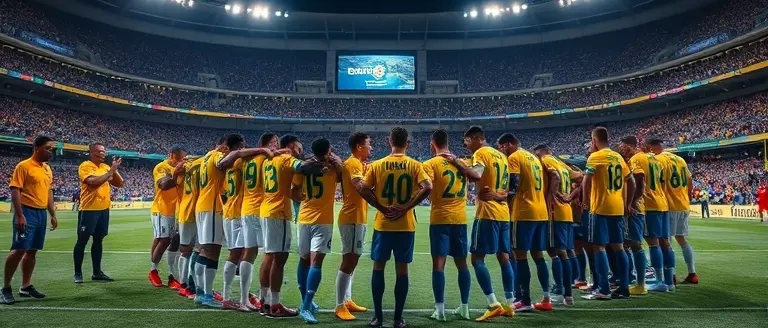
The curtain-raiser at MetLife Stadium has provided a definitive answer to the swirling questions regarding Brasil and their pursuit of a sixth world title. Following the final whistle against Morocco, the tactical identity of this squad under Carlo Ancelotti has shifted from theoretical speculation to a tangible blueprint. Even without the creative spark of Neymar Jr., the team displayed a structural discipline that has been conspicuously absent in previous tournament cycles. This performance serves as a crucial barometer for their campaign, suggesting that the “24-year wait” for glory may finally be nearing its conclusion as the team prioritizes collective cohesion over individual reliance.
Tactical Resilience and The Ancelotti Factor
The match revealed a transition towards a more pragmatic, European-style rigidity, a hallmark of Ancelotti’s tenure. By neutralizing Morocco’s counter-attacking threats, the squad proved they can absorb pressure—a psychological necessity for any team aiming for the final in the United States. Key takeaways from this opening fixture include:
- Midfield Solidity: The pivot successfully controlled the tempo, preventing Morocco from exploiting the spaces typically vacated by more aggressive Brazilian sides of the past.
- Depth Validation: Younger roster additions stepped into the void left by key veterans, proving that this iteration of Brasil possesses the tactical versatility required for the knockout stages.
- Mental Toughness: Demonstrating patience in the final third rather than forcing high-risk maneuvers highlights a matured competitive mindset that shifts the narrative from “burden of expectation” to “controlled execution.”
While one game does not secure a championship, this victory establishes Brasil as the team to beat in their group. The performance confirms that Ancelotti has successfully instilled a resilient defensive framework, allowing the squad’s natural flair to emerge organically. Whether this signals a definitive end to their two-decade drought remains to be seen, but the foundation laid in New Jersey is arguably the most stable the nation has seen in the modern era of World Cup football.
Sharpen Your Tactical Vision for the Tournament
The quest for the 2026 title is as much a mental marathon as it is a physical one. As we analyze Ancelotti’s tactical adjustments and the shifting dynamics of the squad, it is clear that deep engagement requires a focused mind. Just as the Brazilian squad relies on heightened mental resilience to navigate the immense pressure of a title-hungry nation, the most serious analysts among us must ensure our own cognitive performance remains at its peak during these grueling tournament broadcasts.
To truly grasp the strategic brilliance—or the missed opportunities—on the pitch, you need to eliminate mental fog and sharpen your analytical edge. This is where The Brain Song becomes your ultimate companion. By integrating a neuroscience-based approach, this tool is designed to optimize your focus, allowing you to parse complex lineups and fluid game strategies with the clarity of a professional scout. It is not just about watching the game; it is about mastering the details that others miss.
Elevate your viewing experience and stay ahead of the tactical curve throughout this historic World Cup. Don’t let the complexity of the tournament diminish your insight; instead, equip yourself with the cognitive sharpness required for elite-level analysis.
 Optimize your tactical analysis and sharpen your focus for the remainder of the tournament by integrating this 12-minute neuroscience-based routine into your daily match-day preparation.Sharpen My Analytical Focus Now!