

If you are searching for ‘FIFA World Cup 2026 qualifiers,’ you might have missed the whistle: the road to qualification has already been paved, and the main event is well underway. As of June 13, 2026, the expanded 48-team tournament has moved past the preliminary phase, thrusting the world’s best nations into the high-stakes pressure of the Group Stage. With more matches, more upsets, and complex mathematical permutations defining who will advance, keeping track of the action is no longer just a hobby—it is a cognitive challenge.
We have moved beyond the simplicity of ‘how to qualify’ and are now deep in the ‘Knockout Race.’ Navigating the standings, predicting bracket trajectories, and dissecting performance trends requires total focus. Whether you are tracking the favorites or the underdogs fighting for a spot in the Round of 32, understanding the current state of play is essential to mastering this 24-day football marathon.
Beyond the Qualifiers: The 2026 World Cup is Already Underway

If you are searching for fifa world cup 2026 qualifiers, it is important to note that the qualification phase has officially concluded. As of June 13, 2026, the global football community has moved well beyond the preliminary rounds. The 2026 FIFA World Cup tournament officially commenced on June 11, 2026, and is currently in the high-stakes group stage. With 48 teams competing across the United States, Canada, and Mexico, the focus has shifted from the long-standing qualifying campaigns to the intense race for the Round of 32.
Understanding the Current Tournament Phase
The transition from the qualification process to the final tournament represents the largest expansion in FIFA history. While many fans still seek information regarding how teams secured their spots, the reality is that all 48 slots were finalized prior to the tournament kick-off. The current competitive landscape is defined by:
- The Group Stage: Matches are currently underway to determine which nations advance to the knockout brackets.
- The Path to the Round of 32: Teams are now playing for survival rather than qualification points, making every goal difference and match result critical.
- Expanded Format: The 48-team structure has fundamentally changed the group dynamics, offering more opportunities for underdog nations to upset established powerhouses.
Why the “Qualifiers” Search is Obsolete
The search intent for “qualifiers” is now considered legacy data. The real-time excitement is centered on the group stage standings and live match reporting. As teams like the USMNT, Brazil, and Morocco compete in their respective brackets, the narrative has shifted from “how to qualify” to “surviving the group.” Whether you are tracking the latest standings or analyzing the bracket projections, the tournament has entered its most pivotal phase. Please direct your focus to our live match hubs and knockout stage trackers to stay updated on the current state of the 2026 tournament.
Current Group Stage Standings and Team Performance
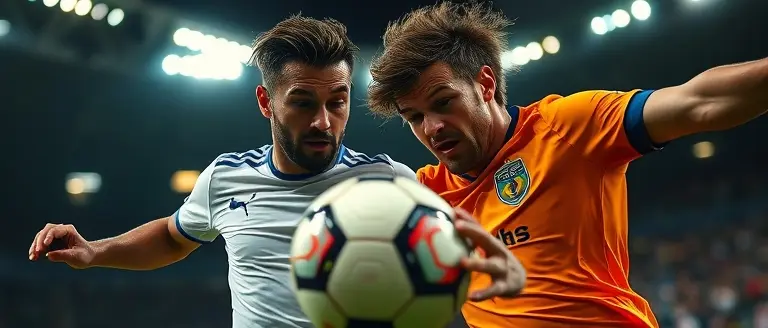
While search interest often lingers on fifa world cup 2026 qualifiers, the reality of the tournament has shifted dramatically. As of June 13, 2026, the qualifying process is officially closed, and the world’s attention is now firmly fixed on the Group Stage. With the expansion to a 48-team format across the United States, Canada, and Mexico, the competition has entered a high-stakes phase where every goal difference point is critical for securing a spot in the Round of 32. Fans looking for legacy qualification data should instead pivot toward real-time standings, as the current landscape is defined by the immediate race for knockout stage survival.
Tracking the Path to the Round of 32
The current group stage dynamics have already produced early surprises, forcing major contenders to adjust their strategies under the intense pressure of the new tournament structure. Matches such as the recent USMNT showdown against Paraguay and the high-profile Brazil versus Morocco clash underscore the level of volatility inherent in this expanded field. To stay updated on the rapidly evolving hierarchy, spectators should consult official match-day hubs that provide:
- Live Score Updates: Real-time tracking of goals and disciplinary cards.
- Group Standings: Verified tables reflecting points, goal differentials, and head-to-head records.
- Knockout Projections: Statistical models identifying which teams have already mathematically secured their progression.
Dominant performances from traditional powerhouses are currently being tested by emerging footballing nations, making the “Group Stage” a far more unpredictable and exciting prospect than previous iterations. As we move deeper into this window, consistency in defensive transition and clinical finishing will be the primary metrics determining who advances to the next stage. For those seeking the most accurate data, prioritize official FIFA standings portals over legacy search results related to the finalized qualifying phase. Monitoring these updates daily is essential for any fan tracking the global race toward the final trophy.
The Path to the Round of 32: What Happens Next?

With the 2026 FIFA World Cup now in full swing, the focus has shifted entirely from the completed FIFA World Cup 2026 qualifiers to the high-stakes drama of the Group Stage. As 48 nations battle for dominance across host venues in the United States, Canada, and Mexico, the tournament structure has evolved into a complex, high-pressure path to the Round of 32. Understanding how teams advance is vital for fans tracking their favorite squads as the group-stage survival phase reaches its mid-point.
Advancement Criteria and the 48-Team Format
The expanded format for the 2026 edition introduces a unique qualification landscape for the knockout rounds. With 12 groups of four teams, the advancement criteria are designed to reward consistency while keeping the competition fierce until the final whistle of the group stage on June 24.
- Group Winners and Runners-Up: The top two teams from each of the 12 groups earn an automatic bid to the Round of 32.
- Third-Placed Teams: To fill the remaining slots in the 32-team bracket, the eight best-performing third-placed teams will also advance, determined by total points, followed by goal difference and then total goals scored.
This transition marks the end of the qualifying cycle and the start of a singular, unforgiving Knockout Race. Once a team enters the Round of 32, the tournament shifts to a traditional single-elimination format where every match must produce a winner. Fans should keep a close watch on the group standings tables, as the margin for error has vanished for teams hovering near the bottom of their respective brackets. As the competition progresses, the focus moves from simply securing a spot to optimizing seeding to ensure a favorable matchup in the elimination stages.
Analyzing the Knockout Race and Contender Forecast
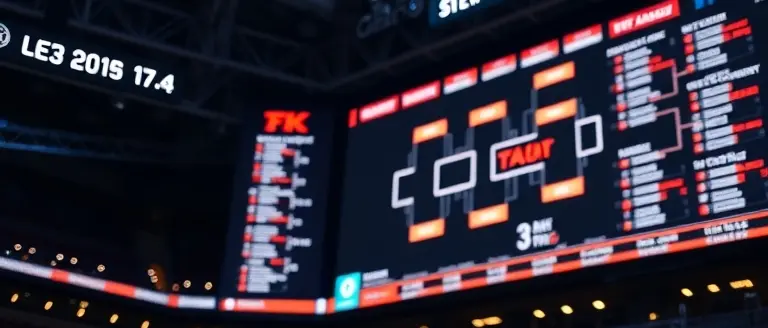
As the 2026 FIFA World Cup intensifies, the narrative has shifted rapidly from the initial fifa world cup 2026 qualifiers phase to the high-stakes intensity of the Group Stage. With 48 teams competing across North America, the expanded format has introduced unprecedented parity, forcing traditional powerhouses to adapt quickly to survive. Early matches have underscored that the path to the Round of 32 is no longer a guaranteed progression for historical giants; rather, it is a demanding test of squad depth and tactical versatility. Teams that navigated their respective regional qualifying paths with ease are now finding that the heightened competition of the group stage requires a more clinical approach to securing knockout qualification.
Emerging Favorites and Tactical Trends
Evidence suggests that teams capable of rotating their starting lineups without losing tactical cohesion are emerging as the primary contenders for a deep tournament run. Key performances from nations like Brazil and the USMNT have highlighted the importance of controlling midfield transitions in this expanded format. As we look toward the knockout bracket, the following factors will define the remaining path:
- Squad Depth: The grueling travel schedule across the US, Canada, and Mexico places a premium on bench strength.
- Defensive Resilience: With more matches against lower-ranked nations, teams that prioritize clean sheets are maintaining the best trajectories for the knockout stages.
- High-Pressure Execution: The transition from group play to sudden-death scenarios will favor squads with proven experience in continental tournaments.
Strategic analysts are keeping a close watch on potential crossover matchups in the Round of 32. Given the current point distributions, we are likely to see high-profile clashes that could redefine the tournament trajectory. Fans tracking the transition from the qualifying mindset should focus on goal difference and head-to-head records, as these metrics will be the ultimate arbiters of which nations advance to the knockout race.
Master the Tournament Chaos
Staying on top of the 2026 World Cup requires more than just a passing interest; it demands a sharp, analytical mind capable of processing shifting group standings and complex qualification scenarios in real-time. As the intensity of the group stage peaks, the mental fatigue that often sets in can cost you the edge you need to stay ahead of every tournament development.
Just as the teams on the pitch must maintain perfect mental preparation to secure their place in the knockout rounds, you need to ensure your cognitive stamina is at its absolute limit. That is where The Brain Song becomes your essential match-day companion. By eliminating mental fog and sharpening your focus, this performance accelerator ensures you never miss a critical detail in the race toward the Round of 32.
Don’t let information overload diminish your experience of this historic event. Optimize your cognitive performance to track every permutation with total clarity, ensuring you are always the first to know who is moving on. It is time to elevate your tournament analysis and enjoy the game with unparalleled precision.
 Unlock your peak tournament focus—start your 12-minute daily routine to follow the World Cup with total clarity.Yes, I Want This Now!