

When the Toronto Tempo squared off against the Washington Mystics on June 12, 2026, the pre-game narrative was almost exclusively dominated by betting spreads and projected point totals. Yet, as the final whistle blew on this pivotal Commissioner’s Cup clash, it became clear that the game’s true essence lay far beyond the reach of any sportsbook line. For the astute observer, the matchup served as a masterclass in tactical adaptation, highlighting how an evolving franchise like the Tempo is beginning to solve the complex defensive schemes orchestrated by veteran organizations like the Mystics.
This wasn’t just another game on the calendar; it was a high-stakes laboratory where coaching decisions and mid-game adjustments determined the trajectory of both teams in the tournament standings. Moving past the superficial data of odds and handicaps, we find a rich, nuanced story of basketball intellect. To truly decode the strategic depth displayed on the court, one must look beyond the stat sheet and appreciate the cognitive precision required to execute—and analyze—every possession in this high-pressure environment.
Game Overview: Toronto Tempo vs. Washington Mystics Recap
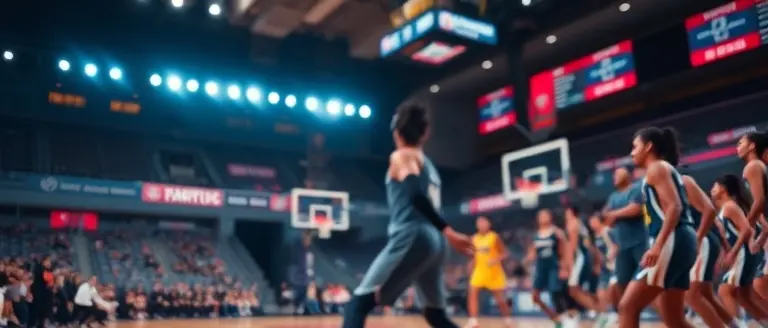
The June 12, 2026, matchup between the Toronto Tempo and the Washington Mystics represented a pivotal moment in the WNBA season, specifically regarding the high-stakes Commissioner’s Cup standings. Entering the contest, the atmosphere was heavily dictated by pre-game narratives, with betting markets installing the Mystics as -2.5 favorites. This spread reflected the expectation that the established Washington roster would leverage its experience to stifle the burgeoning momentum of the newer Toronto franchise. However, the reality of the hardwood often diverges from statistical projections, and this game served as a litmus test for the Tempo’s tactical development under pressure.
Tactical Implications and Tournament Weight
Beyond the surface-level betting odds, the game functioned as a critical intersection for both teams’ tournament aspirations. The Commissioner’s Cup format intensifies regular-season play by creating high-leverage games that directly influence the trophy hunt. For the Tempo, this game was not merely about a win-loss record; it was an opportunity to prove that their perimeter defense and offensive spacing could contend with veteran-heavy rotations.
- Key Matchup Focus: All eyes were on Brittney Sykes, whose defensive versatility for the Tempo was tasked with disrupting Washington’s fluid offensive sets.
- Strategic Shift: While many pundits focused on the -2.5 spread, the game ultimately turned on coaching adjustments during the second half, where defensive rotations became the primary decider.
- Standings Impact: The result of this clash directly reshaped the Commissioner’s Cup table, forcing a recalibration of how both teams approached their subsequent tournament schedule.
While betting platforms characterized the matchup as a tight affair, the actual on-court dynamics highlighted the growing maturity of Toronto’s squad. Moving past the initial hype, this game demonstrated that the Tempo are shifting from a league newcomer to a team capable of dictating the pace of play against established playoff contenders.
Strategic Coaching Adjustments and Tactical Shifts
The June 12, 2026, Tempo vs Mystics matchup served as a masterclass in mid-game tactical evolution, particularly regarding how both coaching staffs handled high-stakes Commissioner’s Cup implications. Initially, the Washington Mystics deployed a aggressive hedge on pick-and-roll actions to disrupt Toronto’s backcourt rhythm. By forcing the ball out of the hands of primary initiators, Washington successfully forced secondary playmakers into difficult perimeter decisions during the opening quarter. However, the Tempo responded by shifting their offensive sets toward inverted screens, utilizing high-post flashes to dismantle Washington’s help-side rotation.
Tactical Evolution and Defensive Rotations
As the game progressed, the coaching battle intensified with notable changes to personnel groupings and coverage schemes:
- Pick-and-Roll Coverage: The Tempo adjusted to Washington’s early-game pressure by utilizing “short rolls,” allowing their bigs to catch the ball in the pocket and distribute to corner shooters, effectively neutralizing the aggressive hedge.
- Defensive Rotations: Washington countered by switching to a “drop coverage” in the second half, prioritizing rim protection over perimeter pressure. This forced Toronto to rely on mid-range jumpers and tactical patience rather than easy interior finishes.
- Substitution Patterns: Coaching staff decisions in the fourth quarter were decisive. Toronto shortened their rotation to maintain defensive intensity, while Washington utilized specialized defensive substitutions to contest high-leverage possessions in the final minutes.
The analytical breakdown of this contest highlights that coaching adjustments were more influential than pre-game betting spreads might have suggested. By forcing the Mystics into a reactive defensive stance, the Tempo successfully transitioned from a high-pace transition offense to a disciplined, half-court execution style. These tactical shifts not only determined the flow of the Tempo vs Mystics game but also demonstrated the rapid growth of Toronto’s basketball operations as they navigate their inaugural seasons against established WNBA powerhouses. The ability to pivot mid-game remains the defining trait of successful teams in the Commissioner’s Cup standings.
Key Plays That Defined the Commissioner’s Cup Standing
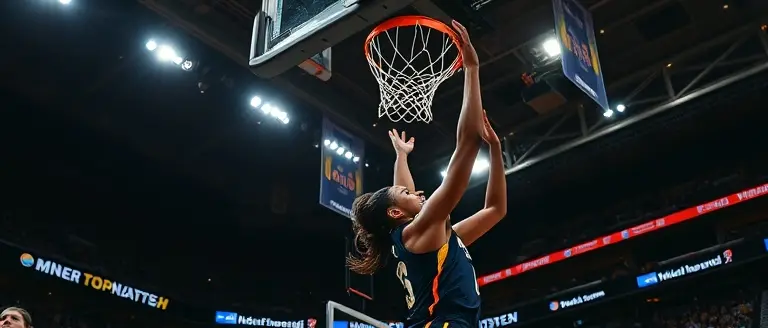
The Tempo vs Mystics clash on June 12, 2026, was more than just a regular-season contest; it served as a tactical barometer for both franchises within the Commissioner’s Cup tournament standings. While pre-game discourse focused heavily on the -2.5 spread, the game was ultimately decided by subtle shifts in court spacing and late-game execution that underscored the tactical evolution of both rosters.
Tactical Pivots and Momentum Shifts
Two specific sequences in the second half highlighted the high-level adjustments made by both coaching staffs:
- The Perimeter Gravity Shift: Mid-way through the third quarter, the Toronto Tempo successfully implemented a high-screen action that forced a defensive rotation from the Washington Mystics. By pulling the Washington rim protectors away from the paint, Toronto opened a narrow lane for Brittney Sykes, whose drive-and-kick ability effectively disrupted the Mystics’ defensive scheme. This possession served as a masterclass in exploiting weak-side help defenders, a hallmark of Toronto’s growing offensive maturity.
- The Defensive Transition Lockdown: In the game’s closing minutes, the Mystics utilized a tactical double-team on the ball handler, forcing a turnover that resulted in a critical transition bucket. This play was decisive, as it not only shifted the momentum but also emphasized the high-pressure defensive identity that Washington relies upon to secure their Commissioner’s Cup positioning.
These pivotal possessions illustrate why this game held such weight for both clubs. For Toronto, the game functioned as a proving ground for their ability to execute under tournament-level scrutiny, while for the Mystics, the win solidified their standing, proving they can handle the defensive intensity required to make a deep cup run. The strategic interplay between Toronto’s pace-and-space offense and Washington’s disciplined interior defense remains a critical narrative as teams jostle for favorable seeding in the mid-season tournament.
Season Progression: What the Tempo and Mystics Learned
The tempo vs mystics clash serves as a vital diagnostic tool for evaluating the long-term trajectory of both franchises during the 2026 WNBA season. Beyond the surface-level impact on the Commissioner’s Cup standings, this matchup highlighted the stark contrast between a veteran-led squad in Washington and the nascent, high-ceiling chemistry of the Toronto Tempo. For the Tempo, this game functioned as a benchmark for offensive execution against high-pressure defensive schemes. Integrating newer talents alongside core pieces like Brittney Sykes, the coaching staff gained invaluable data on how their rotational depth holds up under tournament-intensity scrutiny.
Strategic Takeaways and Roster Evolution
For the Washington Mystics, this contest underscored the necessity of consistency in late-game execution. While the betting markets were fixated on the spread, the actual on-court narrative centered on defensive rotations and the maturation of the roster’s bench. Evidence suggests that the tactical adjustments made throughout the game provide a blueprint for how both teams must adapt to the physical grind of a professional season.
Key areas of growth identified during this high-stakes meeting include:
- Tempo’s Transition Offense: The ability to push the pace against established defenses indicates that the Tempo are moving past their “expansion” growing pains toward a cohesive, identity-driven playstyle.
- Mystics’ Defensive Versatility: Washington’s reliance on disciplined switching defenses proved to be a critical development factor, showing that the coaching staff is prioritizing durability and communication as they push toward playoff contention.
- Chemistry Benchmarks: Both teams utilized this game to refine their closing lineups, shifting from experimental sets to high-probability actions that will dictate their success in the back half of the regular season.
Moving forward, the primary challenge for the Tempo remains stabilizing their defensive efficiency, while the Mystics must leverage their experience to avoid complacency against ascending squads. This performance was not merely a win or a loss; it was a foundational lesson in the tactical evolution required to survive the 2026 campaign. By focusing on these developmental markers rather than pre-game odds, observers can better appreciate the complex, ongoing transformation of both rosters as they pursue postseason basketball.
Mastering the Intelligence of the Game
The Tempo vs Mystics showdown proved that success in the Commissioner’s Cup is built on far more than raw talent; it is won in the margins of preparation and the ability to process rapid-fire tactical shifts. By focusing on the ‘why’ behind every defensive rotation and offensive set, we transition from being passive spectators to becoming true students of the game’s intricate architecture.
Just as the players on the floor require razor-sharp focus to execute these complex adjustments under immense pressure, your ability to digest and analyze these high-stakes matchups depends on your own cognitive clarity. To elevate your basketball IQ and perceive the subtle patterns that define winning basketball, you need to be firing on all cylinders. This is where The Brain Song becomes an essential tool for the serious analyst, providing the mental edge necessary to synthesize complex gameplay and derive deep, actionable insights from every broadcast.
By sharpening your focus and optimizing your cognitive performance, you stop merely watching the game and start seeing the underlying structure that dictates the outcome. It is time to move beyond the noise of betting trends and sharpen your tactical intellect for the rest of the season. Use the following resource to prepare for your next deep-dive analysis and ensure you never miss a beat when it matters most.
 Optimize your analytical focus for the next Commissioner’s Cup breakdown—discover how The Brain Song can sharpen your tactical insights today.Yes, I Want to Sharpen My Tactical Insight!