
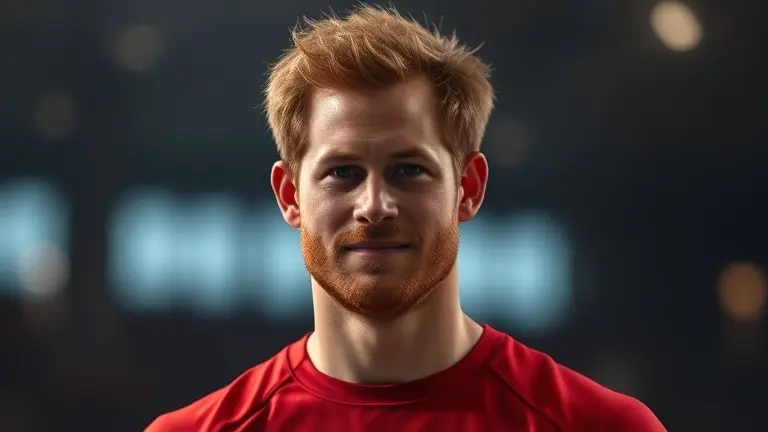
In the early months of 2026, Prince Harry, Duke of Sussex, stands at a pivotal intersection of public perception and personal evolution. While the tabloid landscape remains fixated on the friction of his past, a different story is unfolding on the ground—one marked by his inclusion in TIME’s 100 Most Influential People in Sports. This professional milestone is no accident; it is the culmination of a deliberate pivot toward sports-driven philanthropy, specifically through the Invictus Games. By channeling his energy into the veteran community, the Duke is crafting a blueprint for an independent, impact-driven career that transcends the noise of traditional royal life.
Yet, this transition is not without its cognitive toll. Navigating a global spotlight while attempting to build a legacy of service requires a level of mental fortitude that few public figures manage to sustain. To reconcile the sensationalized headlines with his tangible successes, one must look past the gossip and analyze the discipline required to lead in an era of constant, intrusive scrutiny. The Duke’s trajectory suggests that true influence is not found in media presence, but in the sustained ability to maintain focus, clarity, and purpose under the weight of immense public pressure.
Prince Harry in 2026: Balancing Professional Accolades and Public Scrutiny
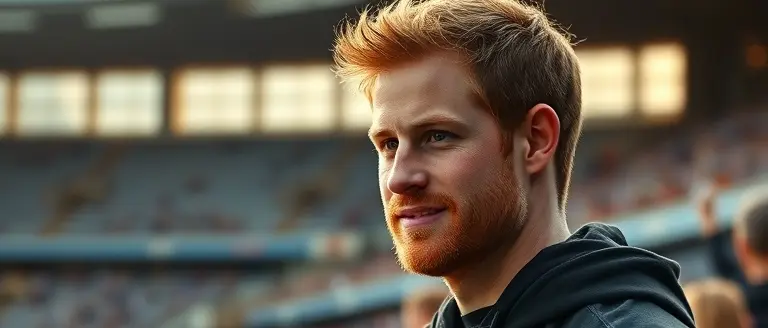
As of June 2026, the Duke of Sussex finds himself at a pivotal juncture in his post-royal career, navigating a complex landscape where high-level professional recognition often clashes with persistent tabloid scrutiny. His recent inclusion in TIME’s ‘100 Most Influential People in Sports 2026’ serves as a landmark moment, formalizing his transition from a traditional royal figurehead to an impact-driven leader. This accolade highlights his long-term commitment to the Invictus Games, a platform that has effectively allowed him to distance his public brand from the volatility of celebrity gossip and anchor it in tangible, veteran-focused philanthropy.
The Duality of the Sussex Brand
Despite the tangible success of his work in athletics, the public discourse surrounding Prince Harry remains starkly polarized. Market analytics and media reports indicate a “fractured” narrative:
- The Professional Pivot: Observers note that his dedication to sports-philanthropy provides a more stable, respected platform than his broader media ventures, drawing favorable comparisons to other high-profile, mission-led global figures.
- Domestic Scrutiny: Concurrently, tabloid coverage continues to focus on the couple’s business ventures and their life in the United States, often highlighting rumors of “business slumps” and strategic adjustments regarding their public profile.
The tension between these two realities—professional prestige and relentless scrutiny—defines the current state of his public life. While recent interviews, including insights from figures like Chef José Andrés, confirm that the couple pursues a “normal life” behind the scenes, the external pressure to maintain a high-value media footprint persists. Ultimately, the Duke of Sussex appears to be moving toward a model of leadership that prioritizes niche expertise and institutional impact, potentially offering a more sustainable trajectory as he continues to build his independent identity within the competitive landscape of American media and philanthropy.
The Invictus Games as a Strategic Professional Anchor
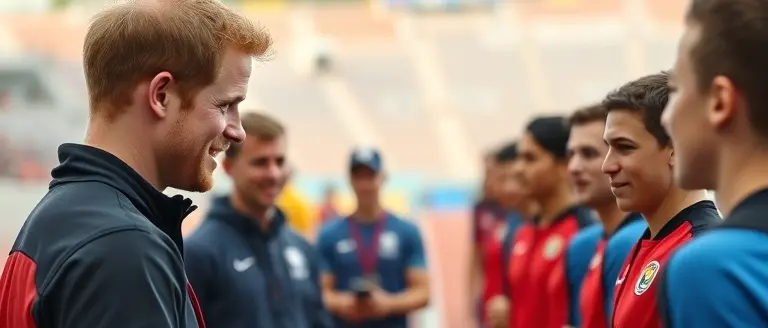
For the Prince Harry, Duke of Sussex, the Invictus Games has evolved far beyond a charitable initiative; it has become the central pillar of his post-royal professional identity. While his foray into broader entertainment media ventures has faced intense public and market scrutiny, his commitment to adaptive sports for wounded, injured, and sick service personnel remains a source of objective, high-level credibility. By focusing on veteran advocacy, the Duke has successfully carved out a niche that provides a measurable, tangible impact that is difficult for critics to dismiss. This strategic pivot highlights a move from traditional royal philanthropy toward the role of an independent, impact-driven leader who leverages his platform to facilitate international cooperation and recovery.
The Power of Quantifiable Impact
The stability of the Invictus Games model stands in stark contrast to the volatility often associated with the Sussexes’ commercial media pursuits. In an era where “celebrity branding” is frequently questioned for its lack of substance, Harry’s work in the sporting sphere aligns him with other high-profile figures who rely on empirical, long-term outcomes to define their influence. This focus has yielded significant professional dividends, most notably his inclusion in TIME’s 2026 ‘Most Influential People in Sports’ list. Key advantages of this professional anchor include:
- Objective Success Metrics: Unlike entertainment projects that rely on shifting audience trends, the success of the Invictus Games is measured by participant rehabilitation, global community growth, and policy advocacy.
- Reputational Shielding: By centering his public profile on veteran welfare, the Duke minimizes the impact of tabloid sensationalism, providing a more grounded narrative that resonates across political lines.
- Long-term Institutional Synergy: His role allows him to maintain high-level connections with international governments and organizations, reinforcing his status as a serious global actor rather than a media personality.
Ultimately, by prioritizing the Invictus Games, the Duke of Sussex demonstrates a clear understanding of the need for “proof of concept” in his humanitarian work. This shift away from high-risk content production toward a singular, specialized philanthropic discipline offers a clearer path toward long-term brand sustainability in the United States and abroad.
Brand Trajectory: Comparing Philanthropic Celebrity Models

The transition of Prince Harry, Duke of Sussex, from a traditional royal role to an independent impact-driven leader mirrors the career pivots of high-profile philanthropists like George Clooney and Leonardo DiCaprio. Unlike standard celebrity endorsements, these figures have successfully pivoted toward singular, long-term causes—Clooney with human rights and regional conflict, and DiCaprio with global environmental advocacy. For the Duke of Sussex, the “sports-as-service” model, primarily exemplified by his work with the Invictus Games, provides a more sustainable path to public respect than the volatile world of media production. By grounding his brand in the tangible, athletic recovery of wounded veterans, he shifts the narrative from tabloid speculation to measurable social impact.
Sustaining Influence Through Niche Philanthropy
While media ventures often expose public figures to relentless scrutiny regarding their output and financial performance, the sports-philanthropy niche acts as a strategic buffer. Analyzing the trajectory of the Duke of Sussex reveals several key advantages to this specialized approach:
- Longevity and Credibility: Much like how the Not On Our Watch initiative solidified Clooney’s authority beyond acting, the Invictus Games provide a permanent platform for Harry that transcends short-term media trends.
- Targeted Engagement: Focusing on athletics allows for a non-partisan, universally respected brand narrative that effectively mitigates the fallout from domestic “business slumps” or criticisms of his media output.
- Professional Alignment: Evidence suggests that Harry’s integration into the 2026 TIME ‘100 Most Influential People in Sports’ list demonstrates that his “impact-driven” model is gaining institutional recognition.
By prioritizing the sports-as-service framework, the Duke is effectively distancing himself from the unpredictable nature of content creation. This strategic shift suggests a move toward becoming a career-philanthropist whose authority is defined by action and veteran advocacy rather than the recurring, often divisive, discourse surrounding his life as an expatriate royal. For the Duke of Sussex, this represents a sophisticated evolution in branding that prioritizes long-term professional legacy over immediate, sensationalist media engagement.
Beyond the Tabloids: Measuring Real-World Impact

While mainstream media often fixates on the alleged “business slump” surrounding the Duke of Sussex, a closer examination reveals a stark disconnect between tabloid speculation and his tangible, real-world impact. By shifting the metrics of success away from short-term media deals and toward institutional philanthropy, the prince harry brand trajectory appears more stable and influential than critics suggest. His recognition in the TIME 100 Most Influential People in Sports 2026 highlights a pivot toward a specialized, impact-driven leadership model that prioritizes long-term outcomes for veterans over fleeting entertainment trends.
The Metrics of Meaningful Philanthropy
Rather than evaluating his profile through the lens of pop-culture relevance, stakeholders should measure his success through the growth and efficacy of the Invictus Games. The platform has evolved into a global powerhouse for rehabilitation and policy advocacy. When analyzing his professional pivot, consider the following evidence of sustained influence:
- Veteran Engagement: The consistent year-over-year expansion of the Invictus network suggests deep-seated institutional trust that transcends celebrity gossip.
- Policy Influence: By focusing on the intersection of mental health and adaptive athletics, the Duke has catalyzed international conversations regarding post-service support systems.
- Partnership Longevity: Collaborations with global NGOs and, as noted by figures like Chef José Andrés, his integration into community-level support circles, demonstrate a commitment to grounded, localized charity that often evades tabloid coverage.
By focusing on this niche, the Duke of Sussex is successfully transitioning from a royal public figure to a dedicated leader in the nonprofit sector. While the tabloid narrative focuses on the volatility of his celebrity status, the actual output of his work—measured by global reach, program participation, and humanitarian partnerships—suggests a highly calculated and effective strategy for long-term influence. This focus on veteran-centric advocacy provides a foundation that is insulated from the typical fluctuations of the American media cycle.
Optimizing Your Own Path to High Performance
The Duke of Sussex’s ability to pivot from a life of inherited duty to one of self-directed impact serves as a compelling case study in professional resilience. As he continues to align his platform with the disciplined world of athletics, it becomes clear that his success hinges on the same mental stamina required of any elite performer. Sustaining such a trajectory requires more than just intent; it requires a brain that is primed for peak cognitive output, capable of filtering out the noise to focus on what truly matters.
Just as elite performers rely on structured regimens to maintain cognitive sharpness under intense pressure, our own daily mental output often requires a catalyst for sustained focus. To achieve your own goals, you must prioritize the health and efficiency of your mind. The Brain Song offers a sophisticated, neuroscience-based approach to enhancing focus, learning capacity, and clarity, making it the essential tool for any high-performer looking to optimize their mental state amidst the distractions of modern life. By integrating this 12-minute routine, you are taking a definitive step toward the same mental excellence that distinguishes leaders from observers.
Whether you are building a new enterprise or seeking to sharpen your daily impact, professional success is intrinsically linked to how well you manage your cognitive load. Do not let mental fog or the demands of a high-pressure environment stall your progress. Experience the science-backed difference and secure your own path to peak potential.

Unlock your own professional peak performance with The Brain Song’s 12-minute neuroscience routine.
Transform My Life Today