

The landscape of personal finance and connectivity is undergoing a radical shift. As of June 2026, the launch of Cash App Mobile—a new MVNO service powered by Gigs and running on AT&T’s network—has sparked intense curiosity among millions of users who rely on the platform for their daily transactions. Moving from a pure-play peer-to-peer finance tool into a full-scale telecommunications provider is a bold strategic move, promising unlimited 5G data and deep ecosystem integration. However, with this integration comes a new set of questions regarding security, performance, and the wisdom of consolidating your financial and mobile data under one roof.
For the informed consumer, navigating this transition requires more than just reading marketing headlines; it demands objective analysis and a clear-eyed look at the risks and benefits. Whether you are wondering how this service stacks up against budget-tier competitors like Mint Mobile or if the convenience of a “super-app” model introduces unacceptable security vulnerabilities, you need absolute clarity to make the right choice. This deep dive will cut through the noise, providing the benchmarks you need to evaluate if Cash App Mobile belongs in your digital life.
The Evolution of Cash App: From Peer-to-Peer Payments to Mobile Carrier

Cash App has officially transitioned from a specialized peer-to-peer (P2P) finance tool into a comprehensive digital ecosystem with the launch of Cash App mobile phone service. This strategic pivot marks a significant milestone in the company’s history, moving beyond mere transaction processing to provide core telecommunications infrastructure. By integrating cellular connectivity directly into the app, Cash App is aggressively positioning itself as a central hub for its users’ digital lives, bundling financial management with essential utility services.
Powering the Service: Gigs and AT&T
The technical foundation of this new service is built on a partnership with the infrastructure-as-a-service provider Gigs. By leveraging this platform, Cash App has successfully launched as a Mobile Virtual Network Operator (MVNO). This setup utilizes the robust AT&T network, ensuring that subscribers gain access to reliable 5G coverage across the United States. Key technical features of the launch include:
- Unlimited 5G Data: The service is marketed with a focus on high-speed, data-heavy usage plans.
- Seamless Integration: Users can manage both their cellular connectivity and financial assets through a single, unified interface.
- Network Reliability: By riding on the AT&T backbone, Cash App aims to compete directly with established budget carriers like Mint Mobile and Visible.
A New Reality for Users
Historically, searches for “Cash App mobile phone service” were primarily associated with mundane tasks like paying mobile bills or identifying suspicious transactions linked to SIM swap fraud. The launch of Cash App Mobile fundamentally changes this narrative. Users are no longer just paying for service via the app; they are now direct customers of a mobile carrier integrated into their favorite financial tool. This consolidation simplifies the user experience but also necessitates a deeper understanding of the risks and benefits associated with merging sensitive financial data and mobile connectivity under one brand umbrella. As the company continues its expansion, the market will be watching closely to see how this convergence influences user retention and platform security.
Deep Dive: How Cash App Mobile Compares to Top MVNO Competitors
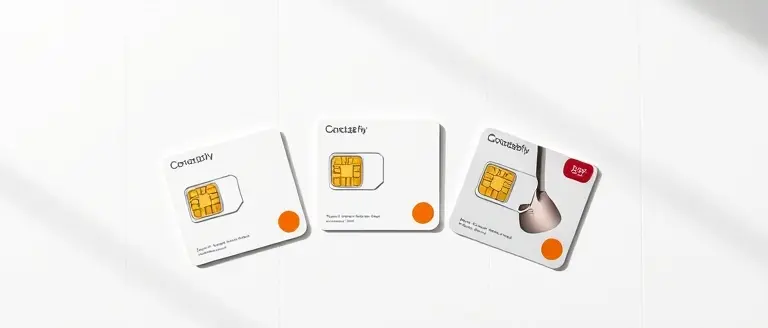
The emergence of Cash App mobile phone service as a new Mobile Virtual Network Operator (MVNO) creates a unique competitive landscape within the budget-friendly telecom market. By leveraging AT&T’s robust 5G network via the Gigs infrastructure, Cash App is positioning itself not just as a financial tool, but as a lifestyle ecosystem. When stacked against established carriers like Mint Mobile, Visible, and Cricket Wireless, the value proposition shifts from pure data volume to account-level integration.
Comparative Performance and Value Proposition
While Mint Mobile often relies on T-Mobile’s network and Visible utilizes Verizon, Cash App’s reliance on AT&T provides a distinct advantage for users in areas with poor secondary-carrier coverage. However, performance benchmarks suggest that the real differentiator lies in how these services handle data throttling. Unlike some budget MVNOs that enforce strict data caps, the “unlimited” promise of the new service suggests a competitive approach, though users should anticipate potential network prioritization during peak congestion periods.
Key considerations for potential subscribers include:
- Pricing Tiers: Cash App Mobile aims for simplicity, likely mirroring the ease of use found in their P2P payment interface, whereas competitors like Cricket often require multi-line plans for the best rates.
- Integrated Ecosystem: The primary benefit for existing Cash App users is the ability to manage mobile bills directly within the app, reducing the friction of third-party billing.
- Security Concerns: Because Cash App acts as both your bank and your carrier, the risk of a single point of failure during a SIM swap attack is a critical factor for users to weigh against the convenience of consolidation.
For the average consumer, the choice comes down to whether the convenience of a unified financial and mobile dashboard outweighs the highly specialized plan structures offered by providers like Visible or Mint Mobile. While power users may still prefer the granular data controls of dedicated telecom providers, the new Cash App mobile phone service presents a formidable, streamlined alternative for the digital-native audience.
The Risks and Rewards of Consolidating Finance and Connectivity

The launch of Cash App mobile phone service marks a significant shift in personal digital ecosystems, allowing users to tether their primary financial wallet directly to their mobile connectivity. While the convenience of managing telecommunications and banking under one roof is attractive, this consolidation introduces a unique set of security trade-offs. The primary concern for security experts is the potential for an escalated SIM-swap attack scenario. If a malicious actor gains unauthorized access to your mobile service, having your financial application integrated into the same platform potentially lowers the barrier for attackers to bypass SMS-based multi-factor authentication (MFA) and access your funds.
Navigating Security Challenges
To mitigate these risks, Cash App Mobile employs advanced identity verification protocols designed to isolate account access from general network usage. However, users should not rely solely on provider-level security. Because this service acts as your digital identity anchor, the threat landscape shifts from simple credential theft to potential identity hijacking.
Best Practices for Enhanced Security
To protect your assets when using the new mobile service, consider implementing the following security layers:
- Prioritize Hardware Security Keys: Move beyond SMS-based 2FA. Use physical hardware security keys or authenticator apps that are not tied to your cellular signal to verify your login identity.
- Implement App-Level PINs: Always enable a secondary PIN or biometric requirement within the Cash App interface itself to prevent unauthorized transfers even if your device is unlocked.
- Monitor Account Alerts: Set up real-time, granular push notifications for every transaction. If you notice a sudden loss of network signal followed by account activity, contact support immediately to lock your assets.
- Separate Email Recovery: Ensure the email address associated with your Cash App account is secured with a different password and an independent, highly secure multi-factor authentication method.
By treating your Cash App mobile phone service as a high-value security asset rather than just a utility, you can leverage the benefits of the Gigs-powered AT&T network while keeping your financial footprint shielded from evolving cyber threats.
Is Cash App Mobile Right for Your Lifestyle?

Deciding whether to switch to Cash App Mobile requires a careful assessment of your current connectivity habits and financial management preferences. As a new MVNO powered by Gigs and utilizing the AT&T network, this service targets users who prioritize convenience and integration within the existing Cash App ecosystem. If you are already deeply embedded in the app for peer-to-peer payments and debit card transactions, consolidating your mobile connectivity under the same provider offers a streamlined user experience that is difficult to replicate with traditional carriers. However, convenience should not overshadow technical performance, and potential subscribers must weigh the “unlimited 5G” value proposition against their actual data requirements and geographic coverage needs.
Assessing Your Connectivity Needs
Before making the transition, evaluate your current usage patterns and local signal availability. While the service promises robust 5G data performance, real-world speeds are dependent on your local cell tower density. We recommend the following checklist to determine if this service aligns with your lifestyle:
- Network Compatibility: Verify your current location’s coverage map via AT&T’s official resources; since this is an MVNO, signal priority may fluctuate during periods of network congestion.
- Data Usage Profile: Are you a “power user” who streams high-definition video on the go, or do you primarily operate within Wi-Fi-enabled environments? Evaluate if the “unlimited” plan includes deprioritization thresholds that might impact your daily performance.
- Contractual Flexibility: Check if your current carrier imposes early termination fees or device payment plans that could be disrupted by switching.
- Integrated Security: Consider the implications of centralizing your mobile number and financial access within one app. While it simplifies account management, it also creates a single point of failure that necessitates strict adherence to multi-factor authentication (MFA) best practices to prevent unauthorized access.
Ultimately, Cash App mobile phone service is most advantageous for users who value a digital-first lifestyle and want to eliminate the friction of managing separate bill portals. If you frequently travel and require reliable, nationwide connectivity without the complexities of long-term contracts, this service may provide the streamlined alternative you are looking for.
Mastering Your Digital Ecosystem
Evaluating a major change in your digital infrastructure—like shifting your mobile service provider—is a task that demands precision, analytical rigor, and sustained focus. When you are managing both your financial security and your mobile connectivity within a single digital ecosystem, the stakes for your data and your attention span are higher than ever. Failing to perform proper due diligence due to mental fatigue or information overload is not an option when your personal digital identity is on the line.
This is where maintaining cognitive clarity becomes your most valuable asset. To stay sharp and alert while evaluating complex technical transitions like the new Cash App Mobile service, you need to eliminate brain fog and sharpen your focus. By integrating a tool designed to support cognitive performance, you can ensure that your evaluation process remains objective and detail-oriented, protecting you from common technical pitfalls.
Optimize your focus for your next tech upgrade with The Brain Song.
 Optimize your focus for your next tech upgrade with The Brain Song.Yes, I Want This Now!