
As the National Oceanic and Atmospheric Administration (NOAA) confirms the arrival of a major El Niño, headlines across the United States are flooded with urgent talk of a weather warning. For many homeowners, the constant barrage of alarming climate news creates a sense of helplessness, often conflating localized daily forecasts with the broader, long-term seasonal outlook. The reality is that the 2026-2027 ‘Super’ El Niño is not merely a series of storms to watch on the evening news; it is a significant shift in climate patterns that demands a strategic, proactive response from every household.
The critical disconnect lies between high-level scientific bulletins and the tangible realities of home management. As winter approaches, the question should not just be what the weather will do, but what you can do to protect your most valuable assets. By shifting your focus from passive concern to active climate preparedness, you can transform your home into a resilient fortress, effectively mitigating the risks of potential flooding and structural damage before the first major winter event hits your region.
Understanding the 2026 El Niño Advisory: Separating Macro-Climate from Daily Weather

Recent surges in the search for a weather warning are largely a response to the official NOAA El Niño Advisory issued for the 2026-2027 season. It is vital for homeowners and families to distinguish between an imminent, localized weather emergency—such as a flash flood warning or severe thunderstorm alert—and this macro-level climate shift. While a localized weather warning requires immediate, short-term protective action, the El Niño advisory functions as a long-term seasonal forecast. This scientific bulletin provides insight into global atmospheric trends that may influence regional temperatures and precipitation patterns over several months, rather than predicting specific storms for the coming hours.
The current El Niño-Southern Oscillation (ENSO) cycle is classified by scientists as a potential “Super El Niño” event, indicating that the warming of surface waters in the central and eastern Pacific is significant enough to alter global jet streams. According to the Climate Prediction Center (CPC), there is a substantial 63% probability that these conditions will intensify through the Northern Hemisphere winter of 2026-2027.
Why Context Matters for Your Preparedness
Confusing these terms can lead to unnecessary anxiety or, conversely, a lack of preparation for genuine seasonal risks. Understanding the distinction helps you pivot from reactive, day-to-day monitoring to strategic, long-term property management:
- Daily Weather Warnings: These are temporary, localized alerts issued by the National Weather Service for immediate hazards like tornadoes, hail, or extreme winds.
- El Niño Advisories: These reflect climate-scale shifts that suggest heightened probabilities for specific seasonal outcomes, such as wetter winters in the Southern U.S. or drier, warmer conditions in the Pacific Northwest.
- Strategic Planning: Because this is a “Super” event, experts recommend that households move beyond the daily news cycle to evaluate risks like flood mitigation and energy management ahead of the winter season, rather than waiting for individual storm alerts.
By viewing this advisory as a structural change to your climate landscape rather than a single event, you can better allocate resources to home maintenance and protective measures, ensuring your property is resilient regardless of what the daily forecast holds.
Regional Climate Impacts: What the Winter of 2026-2027 Holds for Your Area
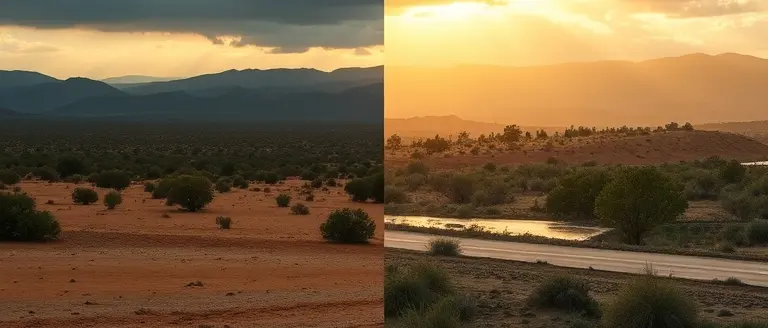
The arrival of a “Super” El Niño in late 2026 is driving a necessary shift in how homeowners approach seasonal planning. Unlike a localized weather warning that signals an immediate, short-term hazard, this long-term climate advisory from NOAA provides a seasonal outlook that allows for strategic home hardening. Because atmospheric circulation patterns change significantly during El Niño years, the impacts are rarely uniform across the United States. Understanding these regional deviations is the first step toward effective climate risk management.
Southern US and California: Managing Flood Risks
Historically, El Niño phases shift the subtropical jet stream southward, funneling moisture directly into the Southern Tier of the US. This pattern significantly increases the probability of extreme precipitation events. For residents in California, the Gulf Coast, and the Southeast, the primary concern for the winter of 2026-2027 is flood risk.
- Infrastructure Stress: Increased rainfall can overwhelm local drainage systems and lead to rapid-onset flash flooding.
- Property Mitigation: Homeowners in these zones should prioritize cleaning gutters, inspecting sump pumps, and assessing landscape drainage before the rainy season accelerates in November.
Pacific Northwest and Northern Plains: The Drier Outlook
Conversely, the Pacific Northwest and parts of the Northern Plains typically experience warmer and drier-than-average winters during these events. While this might suggest less snow removal stress, it presents different challenges regarding water conservation and wildfire mitigation. A lack of deep snowpack in the mountains can impact water supplies for the following spring and summer.
Strategic Preparedness Across All Zones
Regardless of your geography, the broader climate impact of a strong El Niño suggests an uptick in high-energy cost volatility. As weather extremes shift demand for heating or cooling, early preparation of your home’s envelope—such as insulating windows and servicing HVAC units—is vital. By moving beyond reactive measures to proactive, regional-specific planning, residents can better navigate the upcoming winter season with confidence.
Home Hardening: Practical Preparedness for Expected Climate Shifts

With the NOAA issuing an El Niño Advisory for the 2026-2027 season, homeowners should prioritize proactive maintenance over reactive crisis management. While a localized weather warning typically alerts you to immediate hazards, the current climate forecast signals a need for long-term structural hardening to withstand potential heavy precipitation and fluctuating temperature extremes. Preparing your property now can significantly mitigate the risk of water damage, foundation stress, and the high-energy costs often associated with extreme winter shifts.
Essential Property Maintenance
To protect your home against the moisture levels projected for this upcoming “Super” El Niño, focus on the following maintenance tasks:
- Drainage Management: Clear all gutters, downspouts, and exterior drains of debris. Ensure downspout extensions direct water at least six feet away from your home’s foundation to prevent hydrostatic pressure buildup.
- Roof and Envelope Integrity: Schedule a professional roof inspection to identify loose shingles or cracked flashing. Sealing gaps around windows and doors will not only prevent water intrusion but also improve energy efficiency during temperature volatility.
- Landscaping Adjustments: Grade soil away from your foundation to prevent pooling. Prune overhanging tree limbs that could become hazardous during high-wind events.
- Emergency Preparedness: Assemble a localized emergency kit that includes essential documents, flashlights, non-perishable food, and a backup power source tailored for potential grid strain during peak demand.
By shifting the focus from panic to planning, you turn a macro-level climate pattern into a manageable home improvement project. Maintaining these systems now creates a robust buffer against the unpredictable nature of the coming winter. Investing in these preventative measures is a cost-effective strategy that far outweighs the financial burden of repairing flood-damaged drywall or failed structural elements later. Focus on consistent, small-scale upgrades to ensure your residence remains a safe, resilient sanctuary regardless of the regional climate shifts ahead.
Long-Term Resilience: Navigating the ‘Super El Niño’ Cycle

The arrival of a “Super” El Niño for the 2026-2027 winter season should be viewed as a manageable climatic shift rather than an inevitable disaster. By pivoting from reactive panic to proactive preparation, homeowners can mitigate the risks associated with volatile patterns. It is essential to distinguish between a weather warning—which typically signals an immediate, localized threat like a flash flood or blizzard—and a seasonal climate advisory. While an advisory from the NOAA Climate Prediction Center outlines long-range probabilities, a weather warning demands urgent, life-safety action. Understanding this distinction prevents unnecessary alarm while ensuring you remain vigilant when conditions truly deteriorate.
Building Your Family Resilience Plan
Effective climate preparedness involves balancing long-term home maintenance with immediate safety protocols. Start by integrating the following steps into your seasonal strategy:
- Monitor Official Sources: Bookmark the NOAA Climate Prediction Center to receive verified updates. Rely on these bulletins rather than social media speculation to track the strengthening of El Niño conditions.
- Economic Mitigation: Inspect your home’s energy efficiency before peak winter months. Addressing insulation gaps or installing smart thermostats can offset potential spikes in heating costs caused by extreme weather swings.
- Localized Risk Assessments: Consult regional flood maps and realtor-provided guidance to reinforce your home’s perimeter. Simple modifications, such as clearing gutters and extending downspouts, are cost-effective defenses against increased precipitation.
- Dynamic Communication: Establish a family emergency plan that identifies specific evacuation routes and communication hubs. Ensure that all members can differentiate between a long-term advisory and a high-priority, imminent weather warning.
By focusing on these manageable adjustments, you transform seasonal uncertainty into a structured plan. Resilience is built on the foundation of early planning, regular monitoring of reliable data, and a calm, strategic approach to the evolving climate landscape.
Fortify Your Home Against the 2026 Winter Shift
Understanding the difference between a daily weather warning and a long-term climate advisory is the first step in protecting your property. However, passive awareness is not enough to withstand the projected impacts of a ‘Super’ El Niño. True climate resilience requires moving beyond headlines and taking concrete steps to fortify your home against potential flooding, high winds, and severe temperature fluctuations.
While recognizing the threat is essential, the real protection comes from reinforcing your home’s structural vulnerabilities—but only if you have the right, professional-grade blueprints to do the job correctly the first time. This is where precision and planning replace guesswork, ensuring your home remains a sanctuary regardless of what the coming winter brings.
Ted’s Woodworking acts as your essential toolkit for home resilience, bridging the gap between scientific alerts and actionable home management. By utilizing these expert-level plans, you eliminate the risk of costly DIY mistakes, allowing you to build elevated shelving, secure reinforcements, or protective barriers with technical accuracy. Don’t wait for the first storm to realize your home is under-prepared; take control of your property’s safety today.
 Access the comprehensive library of precision building plans to reinforce your home against the upcoming 2026 winter climate shifts today.Secure My Home with Expert Plans Now!