
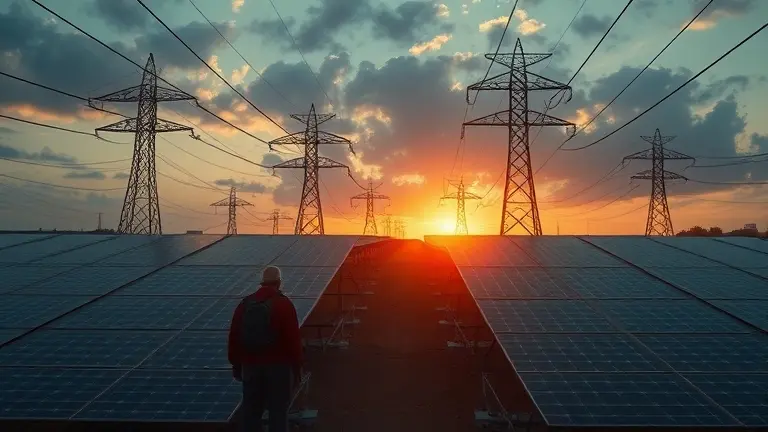
The U.S. energy landscape has reached a historic inflection point as of June 2026: for the first time, solar power generation has officially surpassed coal in the national electricity mix. This milestone arrives amidst a complex narrative, defined by a 27% year-over-year decline in residential solar installations while utility-scale capacity thrives on the back of aggressive AI-driven data center demand. As the market pivots toward solar-plus-storage models, which now comprise over 90% of new capacity, the industry is proving that the future is not just about capturing sunlight, but about the sophisticated architecture of energy storage and efficient distribution.
This divergence highlights a critical reality for developers and investors alike: the era of “easy growth” in residential solar has stalled, replaced by an urgent need for technical precision and structural integration. While macroeconomic headwinds impact homeowners, the utility sector is scaling through extreme engineering rigor. To succeed in this new environment, stakeholders must stop viewing these energy systems as mere commodity installations and start analyzing them as complex infrastructure assets that demand superior planning, exact specifications, and a deep understanding of the regulatory landscape governing the post-coal grid.
The 2026 Solar Paradox: Historic Generation Milestones Amidst Deployment Friction
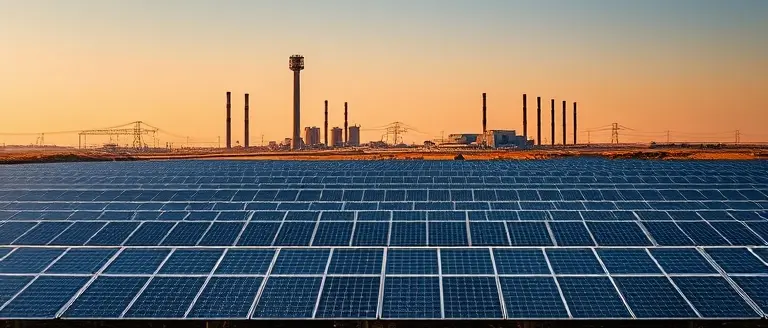
The U.S. energy landscape has entered a period of profound contradiction as of mid-2026. While the industry celebrates a historic milestone—solar energy finally surpassing coal in the national electricity generation mix as of May—this triumph masks significant underlying friction in deployment. According to the latest data from the Solar Energy Industries Association (SEIA) and Wood Mackenzie, U.S. installations fell by 27% year-over-year in Q1 2026, totaling 7.8 GWdc. This decline, while startling, is primarily concentrated in the residential segment, which continues to face macroeconomic headwinds, including high interest rates and regulatory shifts that have cooled consumer demand.
The Divergence: Residential Slump vs. Utility-Scale Dominance
The current market “flattening” is not indicative of a sector-wide recession but rather a structural pivot. While residential solar adoption is expected to decline by 21% throughout 2026, the utility-scale sector remains the bedrock of the transition, fueled by an insatiable need for power from the AI data center boom. This bifurcation explains how the grid can achieve record-breaking solar integration even as rooftop installation numbers retract. The industry’s evolution is now characterized by:
- Solar-plus-storage integration: Over 91% of new U.S. power capacity additions in Q1 2026 involved battery storage, signaling that intermittent power is no longer viable without localized grid stabilization.
- Data center demand: High-load AI computing requirements have forced a rapid expansion in utility-scale projects, which operate on different financing cycles than residential portfolios.
- Strategic Reprioritization: Capital is flowing away from fragmented residential sales and toward massive, long-term infrastructure plays designed to meet the rigorous energy uptime requirements of hyperscalers.
Ultimately, this paradox confirms that the U.S. is moving past the era of decentralized, sporadic solar growth. The industry is maturing into a centralized, storage-anchored powerhouse. While the residential dip presents a short-term hurdle for installers, the fundamental structural dominance of solar in the national grid is now firmly established, setting a high bar for the 2027-2031 recovery phase.
The Solar-Plus-Storage Imperative: Decoding the 90% Capacity Shift

The U.S. energy landscape has reached a definitive tipping point where solar energy is no longer evaluated in isolation. With over 90% of new capacity additions in Q1 2026 integrated with battery storage, the industry has signaled that dispatchability is now the primary currency of the power market. For institutional investors and grid operators, this shift represents a fundamental transition from energy generation as a commodity to energy management as an asset. Storage is no longer an optional “add-on” for peak shaving; it is an infrastructure necessity required to bridge the intermittency gap and satisfy the relentless power demands of hyperscale AI data centers.
The Economics of Dispatchability
The integration of storage into utility-scale solar projects is driven by strict grid-interconnection requirements and the necessity of revenue optimization. Investors should note that “solar-plus-storage” assets currently command a premium due to their ability to provide:
- Arbitrage Capacity: Selling power during high-demand, high-price intervals rather than strictly during daylight hours.
- Ancillary Services: Delivering frequency regulation and voltage support, which provide steady, contractual revenue streams that stand apart from bulk energy sales.
- Capacity Credits: Enhancing the “firmness” of intermittent solar, ensuring projects can meet resource adequacy requirements in a constrained grid.
As the U.S. electricity mix continues to move away from legacy coal generation, the reliability of the grid depends on these hybrid assets. By co-locating battery systems, developers are essentially creating “virtual power plants” capable of maintaining grid stability while navigating the volatile pricing dynamics of the current energy transition. For the savvy investor, this trend underscores that the long-term structural dominance of solar is inextricably linked to the rapid scaling of battery manufacturing and chemical energy storage technologies.
Fueling the AI Revolution: Why Data Centers are Redefining Utility-Scale Demand

The narrative surrounding solar energy has undergone a tectonic shift as the explosive growth of artificial intelligence creates an insatiable appetite for power. While residential installations face a period of contraction, the utility-scale market is finding a robust floor of demand driven by the urgent needs of hyperscale data centers. This “AI-solar nexus” represents a move away from purely voluntary corporate ESG commitments toward a strategic mandate for operational reliability and energy security. To maintain the constant uptime required for training large language models and processing generative AI workloads, tech giants are increasingly bypassing traditional power purchase agreements in favor of dedicated, high-capacity utility-scale solar projects.
The Shift Toward Reliability and Storage
The integration of solar-plus-storage has become the industry standard, accounting for over 90% of new capacity additions in Q1 2026. This transition is critical because AI data centers cannot function on intermittent power alone. The primary drivers of this sustained pipeline growth include:
- Firming Intermittent Power: Battery storage allows solar assets to provide baseload-like characteristics, ensuring that data centers remain operational even when the sun is not shining.
- Infrastructure Synergy: Large-scale solar sites are being collocated with data centers to minimize transmission loss and bypass congested grid bottlenecks.
- Economic Hedging: By investing directly in solar-plus-storage, data center operators protect themselves against the volatile price swings of the wholesale electricity market.
As solar officially surpassed coal in the U.S. electricity mix in May 2026, the industry has proven its capability to handle critical infrastructure loads. Investors are now viewing utility-scale solar energy not merely as a renewable project but as a foundational utility asset essential to the digital economy. This structural shift ensures that even if residential markets continue to flatten in the short term, the massive utility-scale pipeline will continue to catalyze record-breaking integration and long-term sector dominance through 2031.
Beyond Residential Volatility: Economic Metrics and Manufacturing Resilience
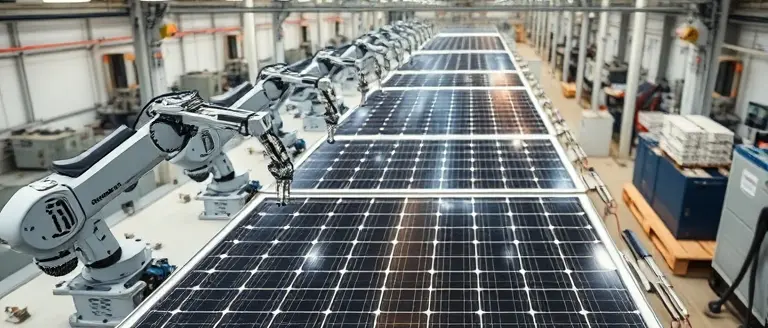
While the residential solar market faces a projected 21% contraction throughout 2026, the broader U.S. landscape is not experiencing a collapse, but rather a strategic transition toward industrial-grade stability. The current volatility in home installations is largely tied to high interest rates and shifting net-metering policies, which have elevated customer acquisition costs and extended payback periods. However, from an institutional perspective, these headwinds are overshadowed by the structural shift toward utility-scale infrastructure. Investors are increasingly pivoting away from the short-term installation cycle of residential rooftops and focusing on the long-term capex efficiency of large-scale, solar-plus-storage deployments.
Domestic Manufacturing and Policy Tailwinds
The U.S. solar manufacturing landscape is undergoing a rigorous restructuring phase designed to reduce dependency on volatile global supply chains. As domestic manufacturers navigate these economic shifts, several key factors are defining their resilience:
- Supply Chain Localization: New federal incentives are providing the necessary fiscal buffers to offset high initial capital expenditure (capex) costs, encouraging a move toward vertical integration.
- Regulatory Calibration: Long-term policy frameworks are shifting focus to ensure that domestic component production aligns with the capacity requirements of massive utility-scale pipelines.
- Storage Integration: With over 90% of new capacity incorporating energy storage, the industry is mitigating the intermittency risks that previously hindered solar adoption, creating a more reliable, bankable energy product for the grid.
Rather than viewing the residential dip as a market failure, it is more accurate to categorize it as a period of sector maturation. The reliance on solar energy as a primary baseload driver—solidified by the recent milestone of surpassing coal generation—means that manufacturing resilience is now tied more to the demand from hyperscale AI data centers than individual homeowner trends. For investors, the long-term opportunity lies in firms that successfully navigate this shift by prioritizing operational efficiency and utility-scale scaling.
Building the Future with Precision Engineering
The transition to a solar-dominated electricity mix in the U.S. marks a historic turning point, yet the reality on the ground remains a tale of two markets: a surging, storage-integrated utility sector and a cooling residential landscape. For investors and developers, the key to navigating this divergence is recognizing that the future of energy, much like any high-stakes infrastructure project, relies on the precision of the underlying blueprint. Just as utility-scale developers use rigorous modeling to bridge the gap between intermittency and the massive power demands of AI, the modern builder must move beyond trial-and-error to ensure structural and economic success.
Achieving excellence in any complex project—from renewable energy integration to physical construction—requires a shift from guesswork to professional-grade planning. This is where the importance of vetted, expert-verified designs becomes undeniable. If you are looking to bring the same level of technical rigor to your own infrastructure and building projects that the energy sector brings to the national grid, you need a resource that eliminates costly mistakes and streamlines implementation.
Master the structural integrity of your projects with the same confidence that top-tier developers bring to the grid. Whether you are managing small-scale energy infrastructure or specialized construction, you deserve the same blueprint-driven reliability that defines modern success. Eliminate the uncertainty of DIY trial-and-error and gain access to a library of professional, field-tested plans designed for efficiency and durability.
 Master your infrastructure projects with professional precision—explore the library of 16,000 expert blueprints today.Get Professional Plans Now!