
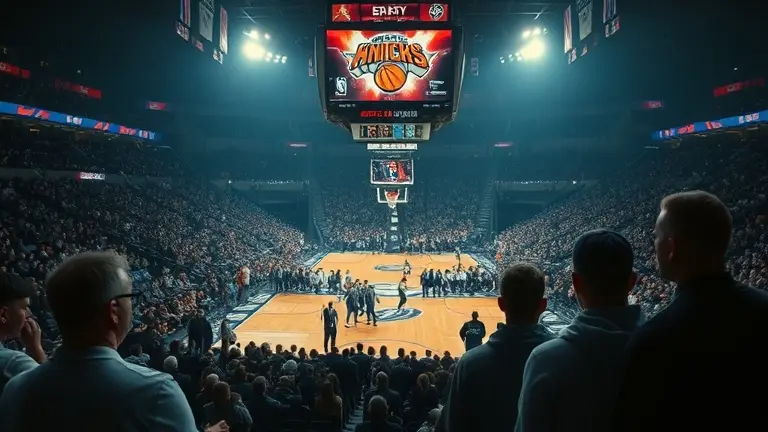
The 2026 NBA Finals have officially entered a new dimension of intensity. Following the San Antonio Spurs’ gritty 115-111 victory at Madison Square Garden in Game 3, the series narrative has shifted from nostalgic rivalry to a high-stakes chess match of adjustments. While the headlines have been dominated by the electric atmosphere and off-court drama, the true story of this series lies in the tactical recalibration occurring behind closed doors. With the Knicks facing a defensive crossroads and the Spurs tightening their rotation around Victor Wembanyama’s interior dominance, Game 4 is no longer just about heart—it is about the clinical execution of offensive flow and the ability to diagnose defensive schemes in real-time.
For fans and analysts alike, the margin for error has evaporated. Whether it is Jalen Brunson’s need to counter the Spurs’ doubling schemes or the Knicks’ urgent requirement for crisper ball movement, this series is demanding a higher level of cognitive engagement than we have seen in years. To truly appreciate the chess match unfolding on the court, you must be prepared to look past the surface and understand the granular data-driven decisions that will define the championship outcome.
The Stakes of Knicks vs. Spurs Game 4: A Series at a Crossroads
The 2026 NBA Finals has reached a critical juncture following the San Antonio Spurs‘ hard-fought 115-111 victory over the New York Knicks in Game 3 at Madison Square Garden. This result has shifted the series momentum, cutting the Knicks’ lead to 2-1 and breathing new life into a Spurs squad that has successfully disrupted New York’s offensive rhythm. As the teams prepare for Game 4, the atmosphere is charged with a mix of historic nostalgia—recalling the legendary 1999 Finals rivalry—and the immediate, high-stakes pressure of a championship series that is now effectively up for grabs.
Market Volatility and Organizational Tensions
The intensity surrounding the spurs vs knicks matchup has extended beyond the hardwood. Following the Game 3 outcome, ticket market valuations experienced a dramatic correction, with prices plummeting nearly 50%. This economic volatility reflects the shifting confidence of the fanbase as the series moves deeper into the schedule. Furthermore, both organizations have had to address postgame incidents involving spectator misconduct. While these reports of fan violence have drawn significant media attention, both the Knicks and the Spurs front offices have issued stern condemnations, emphasizing that the focus must remain on the elite competitive nature of the game 4 nba finals contest.
Strategic Adjustments for Game 4
To regain control of the series, the Knicks must address key tactical deficiencies revealed in their latest loss. Analysts suggest that the coaching staff will likely prioritize the following areas:
- Improved Ball Movement: The stagnant offensive sets seen in the second half of Game 3 must be replaced with quicker perimeter passing to counter the Spurs’ interior defensive coverage.
- Defensive Rotations: Limiting the Spurs’ high-percentage looks in transition will be paramount to preventing another comeback.
- Personnel Efficiency: Maximizing the impact of Jalen Brunson against a suffocating Spurs defense is the primary challenge for the Knicks’ coaching staff.
The knicks vs spurs game 4 encounter is no longer just a nostalgic rematch of past eras; it is a battle of technical execution. With the series at a crossroads, the team that manages to stabilize their emotional state and execute their tactical game plan will gain a massive advantage heading into the final stages of the series.
Strategic Adjustments: Reviving the Knicks’ Ball Movement
The New York Knicks’ offensive performance in Game 3 revealed a concerning trend toward stagnation that the San Antonio Spurs exploited with surgical precision. During this pivotal game 4 lead-up, coaching staff analysis points to a significant drop in assist-to-turnover ratios, as the Knicks settled for high-volume isolation plays rather than the rhythmic motion that defined their earlier postseason success. Against the Spurs’ interior defense—anchored by the sheer length and defensive IQ of Victor Wembanyama—the Knicks’ inability to force interior rotations led to forced shots and perimeter turnovers, stalling momentum during the final quarter. To regain control in spurs vs knicks game 4, New York must shift from static sets to a heavy reliance on off-ball screening actions designed to pull rim protectors away from the paint.
Tactical X-Factors for Success
Data from the 2026 NBA Finals suggests that when the Knicks engage in multi-action sets, the Spurs’ defensive rotation struggles to recover. Specifically, the following adjustments are necessary to improve the knicks vs spurs game 4 outcome:
- Increased Off-Ball Motion: By integrating more flare screens and stagger actions for Jalen Brunson, the Knicks can disrupt the Spurs’ ability to hedge and recover, forcing secondary defenders to commit to the ball.
- Countering Interior Dominance: The Knicks must prioritize high-low passing sequences to move the ball out of the Spurs’ primary rim-protection funnel, creating cleaner looks from the mid-range and beyond the arc.
- Transition Efficiency: Limiting stagnant half-court sets by pushing the pace off defensive rebounds will prevent the Spurs from setting their formidable front-court defense, a crucial tactical shift for the upcoming game 4.
Improving ball movement is no longer optional; it is a tactical necessity to mitigate the Spurs’ defensive pressure. If the Knicks can execute these adjustments, they will create the high-percentage looks required to neutralize the defensive impact of the Spurs’ rotation and shift the momentum back in their favor.
X-Factors: Defensive Rotations and Point Guard Efficiency
The tactical narrative heading into knicks vs spurs game 4 centers on defensive discipline and ball-handler efficiency. While the 1999 Finals featured a slower, grit-and-grind pace, the 2026 iteration demands elite perimeter coverage. For the New York Knicks, the primary adjustment involves neutralizing the San Antonio Spurs’ spacing. Evidence suggests that the Knicks’ defensive rotations were sluggish in Game 3, particularly when hedging against the pick-and-roll. To force a turnaround in game 4 nba finals, the coaching staff must prioritize closing out on shooters before they reach their spots, specifically by limiting the Spurs’ transition opportunities which fueled their 115-111 victory.
Point Guard Efficiency and Rotations
The burden of orchestration falls squarely on Jalen Brunson, whose efficiency in the paint dictates the Knicks’ rhythm. If the spurs vs knicks series is to shift back in favor of New York, Brunson must improve his assist-to-turnover ratio, which dipped significantly in the second half of Game 3. Conversely, the Spurs’ defensive scheme, anchored by Victor Wembanyama, has successfully funneled drives into high-percentage contested jumpers.
Key analytical focus areas for Game 4 include:
- Perimeter Containment: Knicks defenders must prioritize switching on the perimeter to prevent open looks, a recurring lapse seen throughout the previous game 4 lead-up.
- Ball-Handler Discipline: Reducing forced passes is paramount for the Knicks; the high-volume turnover rate in the closing minutes of Game 3 proved fatal.
- Wembanyama’s Defensive Gravity: The Spurs’ ability to alter shots at the rim necessitates that the Knicks increase off-ball movement to clear the lane.
While the 1999 legends built their legacies on defensive grit, the 2026 squads must prove their mettle through high-IQ ball movement and precise defensive rotations. The data indicates that whoever controls the pace at the point-guard position will likely secure the win, setting the stage for a pivotal shift in this storied spurs vs knicks rivalry.
Projecting Game 4: Tactical Keys to Victory
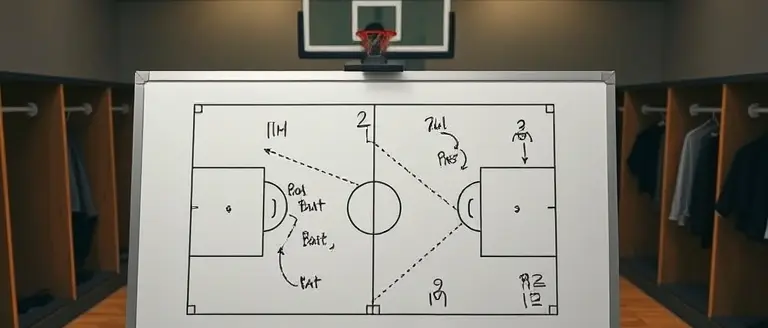
As the Knicks vs Spurs Game 4 approaches, the focus must shift from the emotional fallout of recent fan behavior to the cold, hard tactical realities of the 2026 NBA Finals. The spurs vs knicks series momentum currently rests with San Antonio, largely due to their ability to neutralize the Knicks’ primary offensive sets in the final frame of Game 3. To reclaim home-court control, the New York coaching staff must prioritize systemic adjustments to their ball movement. Evidence suggests that when the Knicks engage in “hero ball” or stagnant isolations, they play directly into the hands of the Spurs’ elite rim protection. Improving the speed of rotations and forcing the Spurs’ defense to shift horizontally will be the primary objective for Game 4.
Defensive Rotations and Bench Impact
The defensive lapses seen in the closing minutes of the previous game 4 nba finals lead-up were largely attributed to exhaustion and poor secondary containment. Analyzing the bench rotations, the data indicates that lineups featuring a high-intensity, floor-spacing wing provide the highest net rating for the Knicks when Jalen Brunson is on the bench. Conversely, the Spurs’ defensive impact is anchored by the versatility of Victor Wembanyama, who has effectively forced the Knicks to settle for contested mid-range shots. To counter this in Game 4, the Knicks must utilize:
- Increased Screen Frequency: Implementing off-ball screens to force Wembanyama out of the paint, thereby opening lanes for driving slashers.
- Transition Defense: Prioritizing a disciplined “get-back” protocol to prevent the Spurs from capitalizing on the Knicks’ missed shots and long rebounds.
- Secondary Playmaking: Diversifying the attack so the offensive load does not fall solely on Brunson, preventing the Spurs’ defense from effectively “trapping” the primary ball handler.
If the Knicks cannot rectify their turnover rate and improve their perimeter closing speed, the spurs vs knicks narrative could pivot toward a series-tying upset. The tactical adjustments made before the opening tip-off will likely determine if the Knicks can regain their rhythm or if the Spurs’ current defensive scheme will continue to dictate the pace of the series.
Unlock Your Peak Analytical Edge for Game 4
As the Knicks and Spurs prepare for the pivotal Game 4, the difference between winning and losing will likely be decided by split-second tactical reads. Navigating the complexity of modern defensive rotations requires more than just passion; it demands a state of absolute mental clarity. Just as the Knicks coaching staff requires peak cognitive precision to decode the Spurs’ defense, your ability to track these fast-paced, high-stakes adjustments requires the same level of mental sharpness to truly grasp the game’s tactical flow.
This is exactly why we recommend The Brain Song. Serving as your personal analytical accelerator, this tool is designed to eliminate the mental fog that often accumulates during high-pressure viewing environments. By facilitating a deep-work state, it allows you to process complex player efficiency stats and defensive schemes with newfound ease, transforming how you watch professional basketball. If you are serious about understanding the ‘X-factors’ of these Finals, this is the essential edge you need to stay ahead of the game.
Experience the transformation for yourself and sharpen your basketball IQ to match the intensity of the elite athletes on the floor. It is time to move beyond the commentary and start seeing the game with the precision of a professional scout.
 Optimize your focus for the high-speed action of Game 4—experience the 12-minute audio routine used by analysts to maintain peak mental clarity.Unlock My Analytical Edge Now!