
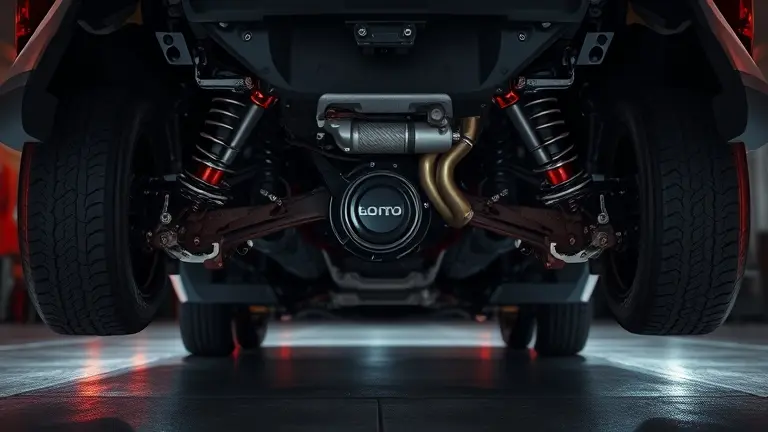
When you drive a vehicle like the Honda Pilot or Ridgeline, you expect rugged reliability and structural integrity, especially when navigating harsh winters. However, the recent safety recall issued on June 10, 2026, has brought a serious concern to the forefront: premature corrosion of the rear subframe. For approximately 880,514 owners across the United States, particularly those in salt-belt states, this isn’t just a minor maintenance annoyance—it is a critical safety issue that could lead to suspension failure and loss of control.
Understanding whether your specific vehicle is at risk is the first step toward peace of mind. While the official dealer notification process is underway, waiting for a letter in the mail isn’t always the best strategy for the proactive owner. This guide is designed to help you quickly identify if your vehicle is included in the Honda suspension recall via the NHTSA database, how to spot early signs of rust in your own driveway, and what steps to take if you notice handling irregularities before your official repair appointment.
Understanding the Honda Rear Subframe Recall: What You Need to Know
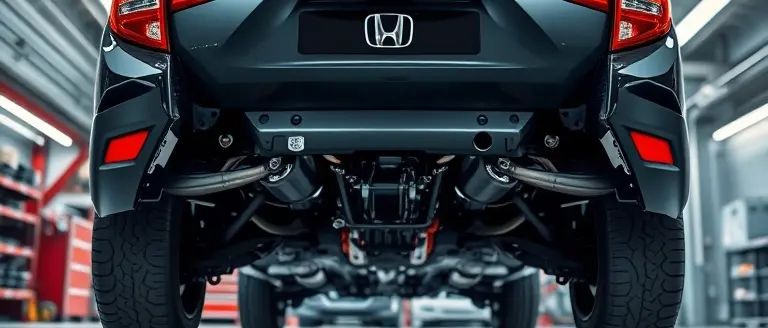
On June 10, 2026, American Honda Motor Company issued a critical safety recall affecting approximately 880,514 vehicles across the United States. This recall addresses a significant manufacturing vulnerability involving the rear subframe components, which have been identified as susceptible to premature, severe corrosion. According to reports filed with the NHTSA (National Highway Traffic Safety Administration), the issue is primarily driven by road salt exposure, which accelerates rust formation around the rear subframe bolt access holes. This is not a cosmetic concern; rather, it is a structural defect that can compromise the integrity of the vehicle’s undercarriage.
The primary safety risk associated with this Honda suspension recall is the potential for the rear suspension arm to separate from the vehicle frame. Should this component fail while the vehicle is in motion, drivers may experience a sudden loss of steering and handling control, drastically increasing the likelihood of a collision. Given the severity of this risk, owners are urged to treat this notice with the same urgency as any mechanical failure.
Key Safety Considerations
- Structural Failure: The corrosion can cause the rear subframe to lose its structural attachment points, leading to a complete separation of the suspension arm.
- Loss of Control: If the suspension arm detaches, the vehicle may become unstable, making it difficult or impossible to maintain a lane or come to a safe stop.
- Salt-Belt Prevalence: While the recall is nationwide, the risk of rapid, premature corrosion is significantly higher for vehicles operated in “salt-belt” states where road de-icing salts are used extensively during winter months.
- Not a Cosmetic Issue: Unlike surface rust, this specific defect impacts a load-bearing component. It requires professional inspection and remedial action as outlined by the manufacturer to ensure the vehicle remains roadworthy.
Owners should proactively monitor their vehicle for unusual noises from the rear end or changes in handling performance while awaiting their official notification from Honda. Failure to address this honda rear suspension recall poses an ongoing safety threat, and owners should prioritize scheduling an inspection at an authorized dealership as soon as their VIN is confirmed as affected.
Check Your Vehicle: Recalled Honda and Acura Models

To determine if your vehicle is part of the Honda rear suspension recall, you must first verify your specific model and year against the official list released by American Honda. The honda suspension recall nhtsa campaign affects a significant number of vehicles that were manufactured with subframe components susceptible to premature, salt-induced corrosion. Because this defect can compromise the structural integrity of the rear suspension, it is imperative to act quickly if your vehicle falls within the affected range.
Affected Models and Model Years
The following table provides a scannable breakdown of the vehicles included in the safety recall. Please note that these models are subject to the same potential risk of rear subframe bolt access hole corrosion:
| Vehicle Model | Affected Model Years |
| :— | :— |
| Honda Pilot | 2016–2022 |
| Honda Ridgeline | 2017–2023 |
| Honda Passport | 2019–2023 |
| Acura MDX | 2014–2020 |
How to Verify Your VIN
While your vehicle may match the list above, not every unit produced within these years is necessarily subject to the recall. The most reliable way to confirm your status is to utilize the official government database. You can perform a honda rear suspension recall status check by visiting the official NHTSA VIN lookup tool. By entering your 17-character Vehicle Identification Number (VIN), you will receive the most current information regarding open safety recalls specific to your individual car.
If your vehicle is confirmed as affected, you should contact an authorized Honda or Acura dealer immediately to schedule an inspection. Owners residing in “salt-belt” states, where road de-icing agents are used frequently during winter, should prioritize this check, as these environments accelerate the corrosion process identified in the NHTSA reports. Do not wait for a formal letter to arrive via mail if your VIN shows an open recall status; contact your service center today to prevent potential suspension failure.
The ‘Salt-Belt’ Risk: Why Your Location Matters
The honda rear suspension recall is largely centered on a geographical vulnerability linked to winter road maintenance. If you reside in states that utilize road salt for winter de-icing, your vehicle is at a significantly higher risk for the type of premature corrosion identified in this honda suspension recall nhtsa investigation. Road salt, while effective at melting ice, acts as a powerful electrolyte that accelerates the oxidation process of metallic components. When this salty slush enters the rear subframe bolt access holes, it creates an environment conducive to rapid, localized rust that compromises the structural integrity of the suspension mounting points.
Why Salt-Belt Exposure is Critical
Owners often assume that newer vehicles are immune to rust, but this defect proves that environmental exposure can bypass conventional durability expectations. Even if your Honda Pilot, Ridgeline, or Passport appears pristine on the exterior, the hidden nature of subframe corrosion means the internal structure may be silently degrading.
- Accelerated Oxidation: Road salt and chemical de-icers penetrate small crevices, trapping moisture against the subframe and preventing evaporation.
- Structural Compromise: Once rust takes hold at the bolt access points, the mounting hardware can weaken, leading to the potential separation of the suspension arm.
- Visibility Issues: Because this corrosion occurs inside hidden subframe cavities, it is rarely caught during routine oil changes or tire rotations until the damage is advanced.
If you drive in states with heavy winter salt exposure, you must treat this recall with extreme urgency. Do not wait for a formal notice in the mail if you hear unusual clunking or grinding noises from the rear of your vehicle. Evidence suggests that drivers in these high-risk areas should prioritize an immediate inspection at an authorized dealership to confirm that their honda vehicle remains safe for operation. Regardless of your vehicle’s mileage or apparent condition, the regional risk factor remains the primary indicator of potential failure.
Handling Issues? Immediate Steps to Take Before Your Repair

If you suspect your vehicle is already exhibiting signs of a failing rear subframe due to the Honda rear suspension recall, immediate caution is necessary. The Honda suspension recall NHTSA filings indicate that premature corrosion at the bolt access holes can lead to total separation of the suspension arm. Driving a vehicle with compromised structural integrity poses a severe risk to your safety and the safety of others on the road.
Warning Signs of Suspension Failure
Before a complete failure occurs, your vehicle may provide subtle or overt warning signs. If you notice any of the following, avoid driving the vehicle at highway speeds and seek a professional inspection immediately:
- Unusual Clunking or Rattling: Listen for metallic banging noises originating from the rear of the vehicle, especially when driving over uneven surfaces or bumps.
- Loose or “Wandering” Handling: If the rear of your car feels unstable, pulls to one side unexpectedly, or feels “floaty” when cornering, the rear subframe may already be compromised.
- Visible Corrosion: Inspect the rear subframe area near the rear wheels. If you see heavy scaling, flaking rust, or visible holes in the metal frame, treat this as a critical safety hazard.
- Uneven Tire Wear: Sudden, significant changes in how your rear tires are wearing can indicate shifting suspension geometry caused by structural degradation.
Immediate Action Plan
If you detect these symptoms, do not wait for the official notification letter to arrive in the mail. Contact your nearest authorized Honda or Acura dealer immediately to report the symptoms. While the Honda repair parts supply chain is scaling up, dealerships can prioritize vehicles showing active signs of failure. Ask your service advisor about potential rental or loaner vehicle options if the car is deemed unsafe to operate. Until you receive professional confirmation that the subframe is secure, minimizing vehicle use is the most effective way to prevent a catastrophic mechanical failure on the road.
Take Control of Your Vehicle’s Structural Integrity
Navigating a safety recall like the Honda rear suspension issue requires more than just awareness; it demands technical vigilance. By using the official resources to verify your VIN and inspecting your vehicle’s undercarriage, you have already taken the critical first step in protecting your family and your investment. Remember, when dealing with metal fatigue and structural corrosion, accurate, professional-grade assessment is non-negotiable. Whether you are addressing automotive maintenance or tackling complex home improvements, the difference between success and failure often comes down to the quality of your blueprints.
Just as having the right blueprint is essential for ensuring structural integrity in a professional workshop, checking your vehicle with the right technical guidance is the only way to ensure your DIY inspection is accurate and safe. This is why we recommend Ted’s Woodworking as the gold standard for those who value technical precision. It provides the ‘workshop-tested’ blueprint clarity that eliminates guesswork, ensuring that whether you are working on a DIY vehicle inspection or a custom home project, you are relying on professional standards.
Don’t leave your projects or your safety to trial-and-error experimentation. When you rely on proven, technical documentation, you move from uncertainty to total mastery over your mechanical tasks. Equip yourself with the right knowledge today to ensure that every project you undertake meets the highest standard of structural excellence.
 Before you get under your vehicle, ensure you have the right technical approach—check out the workshop-tested blueprints here to master your next project with total technical certainty.Get Technical Mastery Now!