
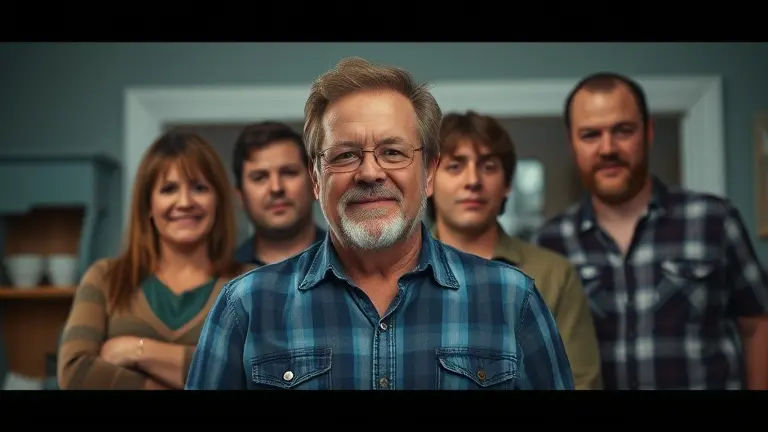
For decades, the mere whisper of a Home Improvement reboot has sent waves of nostalgia through the hearts of 90s television fans. However, those dreams hit a significant wall on June 10, 2026, when Tim Allen candidly addressed the ongoing silence surrounding a revival. Laying the blame on “personality problems” among the actors who portrayed his onscreen sons, Allen pulled back the curtain on the complex, often messy reality of sustaining onscreen chemistry over several decades. This revelation has ignited a firestorm of speculation, forcing fans to confront the difficult truth: sometimes, the magic of a classic sitcom is captured in a bottle that, once opened, cannot be resealed.
But is the demand for a reboot truly about the original cast, or is it a longing for the comfort of the Binford Tools workshop and the father-son dynamics that defined an era? As we analyze the struggle of legacy talent to reconcile the professional fallout of the past, it becomes clear that the “dream reboot” might be hindered not by a lack of interest, but by the weight of personal history. Perhaps it is time to pivot our focus away from the friction of Hollywood personalities and toward the creative spirit that made the show an iconic pillar of American television in the first place.
The Tim Allen Revelation: Why the ‘Home Improvement’ Reboot Stalled
The long-standing hope for a Home Improvement revival hit a significant roadblock on June 10, 2026, when Tim Allen provided a candid assessment of the project’s status. While fans have spent years speculating about a potential return to the Taylor household, Allen’s recent comments shifted the narrative from optimistic rumors to the harsh professional reality of home improvement show cast challenges. By explicitly pointing to “personality problems” among the actors who portrayed his on-screen sons, Allen has grounded the discourse in the complex interpersonal dynamics that often complicate the revival of beloved 90s sitcoms.
This revelation aligns with previous observations made by Patricia Richardson, who played the iconic Jill Taylor, as early as 2024. The disconnect suggests that the difficulty lies not in a lack of creative desire, but in the evolution of professional relationships over the past three decades. The primary hurdles surrounding a potential reboot include:
- Evolving Professional Dynamics: The cast members have matured into their own careers, making the synchronization of schedules and creative visions increasingly difficult.
- Cast Cohesion: The specific interpersonal conflicts cited by Allen imply that achieving the “on-screen chemistry” required for a successful sitcom revival is currently unattainable.
- Legacy Management: There is a growing tension between protecting the show’s 90s legacy and the modern expectation for a seamless, high-energy reunion.
Allen’s transparent admission has effectively tempered fan expectations, transforming the discussion from simple casting speculation into a broader conversation about why legacy sitcom reboots struggle with human elements. For the millions of viewers who grew up watching the Taylors, this update serves as a sober reminder that behind the scenes of television magic, the professional relationships that define a hit show are not always immune to the passage of time. As the media continues to analyze these home improvement show cast challenges, the feasibility of a reboot appears increasingly contingent on reconciling these deep-seated personal frictions.
The Chemistry Conundrum: Why 90s Sitcom Reboots Struggle to Replicate Magic
The recent discourse surrounding home improvement show cast challenges highlights a broader, industry-wide issue: the extreme difficulty of recapturing the ephemeral magic of 1990s television. For audiences, sitcoms like Home Improvement represent a “frozen-in-time” comfort zone. However, the reality of attempting a reboot often runs headlong into the professional and personal evolution of the original stars. While viewers crave the nostalgia of the Taylor family dynamic, the passage of decades necessitates that actors undergo significant personal growth, which can fundamentally alter the interpersonal friction that once made their on-screen chemistry feel authentic.
When evaluating why these legacy projects face such steep hurdles, several factors consistently emerge:
- Professional Divergence: After years of working in different genres and professional environments, cast members often develop disparate artistic philosophies that clash with the rigid structure of a multicam sitcom.
- The “Lightning in a Bottle” Effect: Original series success often relied on specific, unrepeatable life stages of the actors. Attempting to force that connection years later can feel performative rather than genuine.
- Evolving Power Dynamics: As cast members shift from ensemble players to established industry veterans, contract negotiations and creative control expectations become exponentially more complex, often stalling projects before they begin.
The struggle to reconcile these home improvement show cast challenges proves that sitcom reboots are rarely just about the script. They are high-stakes attempts to reconstruct a lost collaborative ecosystem. Whether it is Tim Allen’s recent comments regarding his onscreen sons or Patricia Richardson’s earlier reflections on the industry, it is clear that professional maturity often acts as an inhibitor to the spontaneous, messy, and endearing chemistry that defined the nineties era. Ultimately, the audience’s emotional investment in an idealized past often conflicts with the sober reality of the actors’ present-day creative paths.
The Dream vs. The Reality: When Nostalgia Meets Professional Fallout
The recent discourse surrounding home improvement show cast challenges highlights a recurring tension in the entertainment industry: the psychological gap between audience nostalgia and the complicated reality of professional legacy. For fans, a 90s sitcom represents a frozen-in-time family unit. However, for the actors involved, decades of individual career trajectories, personal growth, and unresolved professional dynamics often make a seamless return to their original characters impossible. Tim Allen’s recent comments regarding the potential Home Improvement reboot underscore that legacy talent is not a monolith; these actors are autonomous professionals who may have outgrown the creative constraints of their past roles.
Why Legacy Chemistry Often Stalls
The “reboot boom” of the streaming era often underestimates the difficulty of replicating on-screen synergy after a long hiatus. Unlike new productions where chemistry is tested during auditions, legacy reunions depend entirely on the existing rapport of cast members who have spent years apart. When personality problems arise, they are rarely just petty disagreements; they often reflect diverging professional priorities or fundamental shifts in how the talent views their legacy.
Several factors contribute to these persistent production hurdles:
- The “Time-Capsule” Effect: Audiences expect the same dynamic from thirty years ago, which forces actors to perform a version of themselves that no longer exists.
- Evolving Creative Visions: Veteran stars often have distinct ideas about how to update a show for a modern audience, leading to friction during development.
- Professional Fallout: Long-term industry relationships can be strained by contractual disputes, differing career paths, or personal lifestyle changes that occur over decades.
Ultimately, the feasibility of a successful revival hinges on the delicate balance between satisfying fan expectations and maintaining the authenticity of the cast’s current professional lives. While the desire for a Home Improvement return remains high, the current impasse serves as a sobering reminder that nostalgia cannot always bridge the gap created by years of professional evolution. When cast chemistry dissolves, a reboot risks tarnishing the very memories fans are trying to reclaim, suggesting that sometimes, the most honorable tribute to a legacy show is leaving the original intact.
Legacy Talent in the Streaming Era: Is Reconciliation Always Worth It?
The recent discourse surrounding home improvement show cast challenges highlights a broader, systemic issue within the entertainment industry: the desperate push to monetize 90s nostalgia through reboots. While streaming platforms prioritize recognizable intellectual property to drive subscriptions, the creative reality often clashes with the logistics of legacy talent. When a show like Home Improvement stalls due to personality conflicts among onscreen sons, it forces a difficult question for both executives and fans: does forcing a professional reconciliation actually honor the original narrative, or does it risk tarnishing the legacy of a beloved sitcom?
The Myth of the Perfect Reunion
Evidence suggests that audiences are often less interested in the mechanics of a reboot and more invested in the “frozen-in-time” magic of the original run. When creators attempt to assemble a cast that has moved on, matured, or developed professional rifts, the resulting chemistry rarely matches the perceived perfection of the 90s era. Key factors complicating these reunions include:
- Professional Evolution: Actors often evolve beyond the archetypes that defined their early careers, leading to creative friction.
- The “Chemistry” Trap: Modern audiences value authenticity; if the interpersonal strain is palpable, the suspension of disbelief required for a sitcom environment becomes nearly impossible.
- Narrative Integrity: Forcing characters into a new decade often requires retconning established history, which can alienate long-term fans who hold the original conclusion dear.
Ultimately, the drive for a reunion ignores the reality that sitcoms are products of their time. The home improvement show cast challenges serve as a case study for why legacy talent cannot simply be “re-packaged” for a streaming audience. Sometimes, leaving a cultural artifact as a complete, untarnished narrative is a more successful strategy than forcing a reconciliation that the actors—and perhaps the story itself—have outgrown. By chasing the nostalgia dollar, studios risk trading the long-term appreciation of a classic series for a short-lived, potentially underwhelming, and fractured reboot.
Building Your Own Legacy Beyond the Screen
While the prospect of an onscreen reunion remains caught in the crossfire of professional friction and personal history, the true essence of Home Improvement was never just about celebrity dynamics—it was about the profound satisfaction of creation. The show reminded us that when life gets complicated, there is a therapeutic, grounding power in working with your hands, mastering tools, and building something substantial from scratch. You don’t need a Hollywood script or a multi-million dollar cast to recapture that spirit; you only need the right guidance.
If you have spent years watching Tim Taylor navigate his workshop and feeling that familiar itch to pick up a hammer or a saw, now is the time to channel that passive nostalgia into a tangible, rewarding hobby. Ted’s Woodworking provides the perfect bridge from armchair spectator to active craftsman, offering comprehensive, professional-grade plans that transform your workshop into a sanctuary of productivity and pride. This isn’t just about building furniture; it’s about reclaiming the DIY spirit that made the 90s such a memorable era for home enthusiasts.
Stop waiting for a sitcom revival that may never happen and start constructing the projects you have always dreamed of today. With these expert-level plans, you can master your craft, clear your mind, and create lasting pieces for your home—all while enjoying the quiet, meditative satisfaction that no celebrity drama can ever take away from you.
 Reclaim the DIY spirit of the 90s—start your own home projects today with these professional-grade woodworking plans.Start My Woodworking Journey Today!