
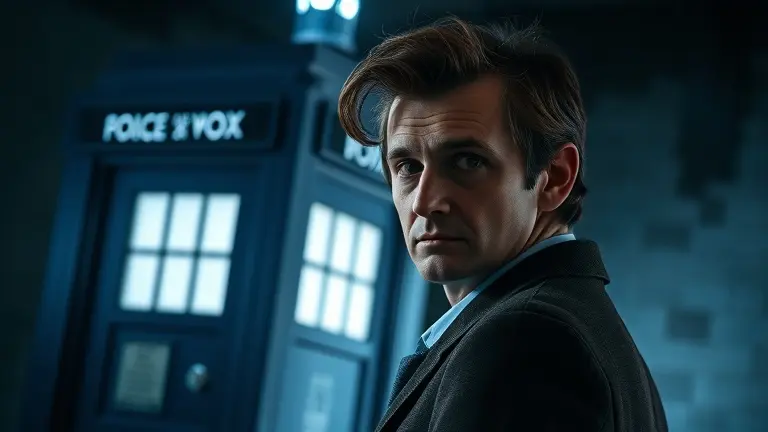
The TARDIS has landed in uncharted territory. With the abrupt cancellation of the 2026 Christmas special, the departure of Russell T Davies, and the exit of Bad Wolf, Doctor Who is facing the most significant existential tremor in its 63-year history. As the BBC initiates a ‘competitive tender’ process to determine the show’s production future, fans and industry analysts alike are left to navigate a labyrinth of uncertainty. The era of Disney+ partnership has ended, and with it, the established creative roadmap has completely evaporated.
This isn’t just a simple change in leadership; it is a total structural reset for a cultural pillar. To understand where the Doctor goes next, we must look beyond the headlines and dissect the mechanics of public-service procurement and the financial realities of modern sci-fi production. Whether you are a long-term devotee or a curious observer, untangling this web requires more than just passion—it requires clear-eyed, analytical focus to separate the rumors from the reality of what this restructuring truly portends for our favorite Time Lord.
The Great Reset: Understanding the BBC’s Competitive Tender for Doctor Who

The decision by the BBC to place Doctor Who into a competitive tender process marks a seismic shift in the history of the 63-year-old franchise. By moving away from the internal production model and the established partnership with Bad Wolf and Russell T Davies, the BBC is effectively treating the show as a blank slate for independent production houses to bid on. In public broadcasting terms, a competitive tender is a formal mechanism where the broadcaster invites external companies to submit proposals for the creative and financial management of a series. This signals that the BBC is prioritizing a complete structural overhaul rather than simply replacing a showrunner, potentially seeking a production partner that can sustain the brand without the high overhead costs that characterized the Disney+ era.
The Logistical Implications of the Shift
The dissolution of the Disney+ partnership has created a significant financial vacuum, and the tender process is likely designed to address the resulting instability. The exit of RTD leaves a creative power struggle that the BBC intends to resolve by opening the floor to new, perhaps more cost-effective, production visions. Fans should anticipate several major changes as this process unfolds:
- Production Continuity: New bidders will need to demonstrate how they plan to maintain the narrative legacy of Doctor Who while potentially implementing a lower budget model.
- Creative Autonomy: The tender process allows the BBC to shift away from the “event television” mandate that defined the recent RTD tenure, potentially returning the show to its roots as a more modest, modular episodic series.
- Strategic Realignment: Without the global distribution guarantees of the Disney+ contract, the winning production house must prove that the show can remain commercially viable as a standalone property in a fragmented streaming market.
This “Great Reset” is not merely about a change in leadership; it represents a fundamental re-evaluation of how the BBC values its crown jewel. As the network looks to stabilize the franchise, the winning tender will likely define the aesthetic, tone, and international accessibility of the series for the next decade, ensuring that the Doctor survives yet another existential crisis.
Beyond the TARDIS: What the ‘Competitive Tender’ Means for the Show’s Future
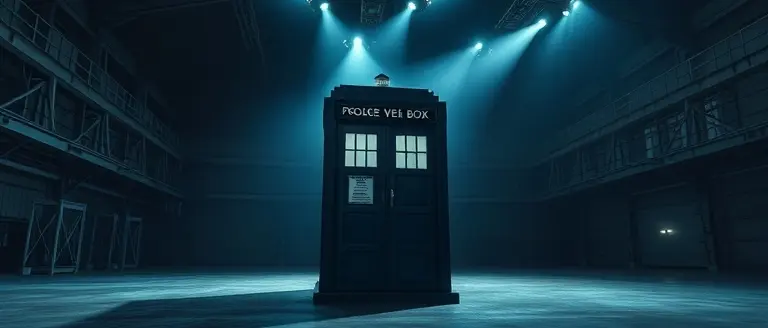
The BBC’s decision to open Doctor Who to a competitive tender process marks the most significant structural pivot in the franchise’s 63-year history. Moving away from a single, centralized production hub like Bad Wolf suggests that the broadcaster is seeking a fresh creative vision—and perhaps a more sustainable financial model—following the conclusion of its high-profile, yet ultimately brief, partnership with Disney+. A competitive tender allows independent production houses to bid on the show’s future, meaning we may see a transition from the recent, highly serialized, big-budget approach toward a leaner, potentially more experimental format.
Potential Creative Shifts and Formatting
With the exit of Russell T Davies, the show is at a crossroads regarding its narrative identity. New stewardship could lead to several strategic directions:
- Anthology-Style Storytelling: To avoid the trap of overly dense, multi-season arcs that alienated casual viewers, a new production partner might favor a “standalone” structure. This would allow each episode to function as a self-contained cinematic event, making the show more accessible to global audiences.
- Aesthetic Evolution: Different production houses bring distinct visual signatures. A pivot toward a “grittier” or more grounded sci-fi aesthetic could differentiate the series from the stylized, high-fantasy tone seen in recent iterations.
- Hybrid Distribution: Without the safety net of a major streaming partner like Disney+, the next iteration of Doctor Who must prove its commercial viability. We anticipate a shift toward a multi-platform strategy that prioritizes domestic BBC reach while testing modular licensing in international markets.
Ultimately, the tender process is designed to stabilize the brand by injecting new management oversight and cost-control measures. Whether this leads to a smaller, more focused production or a radical reimagining of the TARDIS’s journey, the goal remains to preserve the franchise’s legacy while navigating the volatile landscape of modern television. The industry is watching closely, as this shift will set the blueprint for how legacy British intellectual properties survive in a post-global-streaming gold rush era.
The RTD Era Reconsidered: Highs, Lows, and the Legacy of the Second Return

Russell T Davies’ return to Doctor Who was defined by an ambitious attempt to elevate the series into a global, prestige-tier franchise. By integrating a significant infusion of capital and fostering a partnership with Disney+, Davies aimed to transform the British institution into a heavy hitter capable of competing with high-budget streaming juggernauts. Throughout this second tenure, the narrative arcs prioritized emotional intimacy and modern thematic relevance, often leaning into high-concept science fiction while simultaneously grounding the stories in character-driven stakes. However, this shift toward “prestige TV” standards created a complex friction between the show’s whimsical, low-budget roots and the modern expectation for cinematic visual effects and tightly serialized storytelling.
Assessing the Creative and Financial Pivot
The challenges of this era suggest that the future of Doctor Who must balance the expansive scale of international production with the show’s core DNA. Key takeaways from this period for the next showrunner include:
- The Budget-Narrative Paradox: High-tier production values often create a demand for larger-than-life stakes, which can unintentionally distance viewers from the Doctor’s personal journey.
- Sustainability of Partnerships: The recent split highlights the fragility of relying on external streaming partners, suggesting that the BBC’s new “competitive tender” process will likely seek a more resilient, domestic-centric financial model.
- Genre Elasticity: Future iterations must navigate the delicate balance between episodic adventure and the serialized arcs that defined the RTD era, as fans have shown a strong preference for the procedural charm of the show’s history.
Ultimately, the RTD legacy is one of bold experimentation. By pushing the boundaries of what the show could look and feel like, Davies provided a blueprint for how a 63-year-old franchise can adapt to modern viewing habits. While the sudden departure of Bad Wolf and the cancellation of the 2026 Christmas special signal a period of reset, the lessons learned from the “prestige” era will be vital. The next production house will need to reconcile these creative ambitions with the reality of producing a show that must simultaneously serve a domestic public service mandate and a global fandom, ensuring the series survives another transition while maintaining its unique, idiosyncratic identity.
The Fan Consensus: Shaping the Next Iteration of the Time Lord

As the BBC initiates a competitive tender process for the future of Doctor Who, the franchise finds itself at a pivotal cultural crossroads. Fan sentiment, largely channeled through platforms like r/DoctorWhoNews, indicates a collective desire for a “back-to-basics” approach that prioritizes character-driven storytelling over the high-budget, cinematic spectacle that defined the short-lived Disney+ era. With the departure of Russell T Davies and the cancellation of the 2026 Christmas special, viewers are moving past initial shock and toward a constructive dialogue regarding the show’s identity. There is a palpable appetite for a return to the series’ roots as a grounded, innovative science-fiction anthology that balances Whovian lore with accessible, standalone adventures.
Core Expectations for the Franchise Reset
The current discourse emphasizes three primary pillars that fans are eager to see in the post-RTD era:
- Pacing and Continuity: A shift away from serialized, multi-arc seasons in favor of “monster-of-the-week” formats that allow for greater creative flexibility and lower barrier-to-entry for new viewers.
- Character Integrity: A desire for the Time Lord to remain a complex, morally grey figure rather than a purely heroic archetype, echoing the deeper thematic explorations seen in the show’s 63-year history.
- Production Authenticity: A preference for practical effects and atmospheric location shooting, which many feel were compromised by the polished, heavy-CGI aesthetic of the recent partnership.
Advocating for the Future
To influence the incoming production entity, the fan base is increasingly organizing around clear advocacy frameworks. By engaging with official BBC consultations and maintaining discourse in community forums, fans are signaling that the next iteration must respect the show’s legacy while embracing modern television production standards. Whether through structured feedback or critical analysis of upcoming tender bids, the goal remains unified: protecting the long-term viability of the world’s longest-running science fiction series. As the BBC evaluates potential new showrunners and production houses, the “ideal” future of Doctor Who is being defined by a community that refuses to see this transition as a decline, but rather as an opportunity for an ambitious, much-needed creative reset.
Navigating the New Era of the Time Lord
As we peel back the layers of the BBC’s tender process, it becomes clear that we are entering a period of transformation that demands sharp, sustained attention. The complexities of institutional restructuring and the historical implications for the franchise are immense, often leaving even the most dedicated fans feeling overwhelmed by the sheer volume of speculative data. It is easy to succumb to mental fatigue when attempting to synthesize decades of narrative history with the cold, bureaucratic realities of modern television production.
Untangling the web of BBC production tenders and franchise history requires intense mental focus; just as we sharpen our analytical perspective on the show’s future, it helps to ensure our own cognitive clarity is at its peak. This is where The Brain Song becomes an essential companion for the serious analyst. By addressing the cognitive load and mental fog that naturally accompanies deep-dive research, this tool provides the mental sharpening necessary to navigate the intricate future of Doctor Who without feeling lost in the static.
The path forward for the franchise is as enigmatic as the Doctor themself, but your ability to process this evolution shouldn’t be. Equip yourself with the mental clarity needed to track every development and emerge as a true expert in the next chapter of this television legacy. Don’t let the noise of the industry disruption cloud your judgment; optimize your cognitive performance today and stay ahead of the curve.
 Clear your mental fog and sharpen your analytical edge with The Brain Song before diving into the next chapter of Doctor Who’s history.Sharpen My Focus Now!