
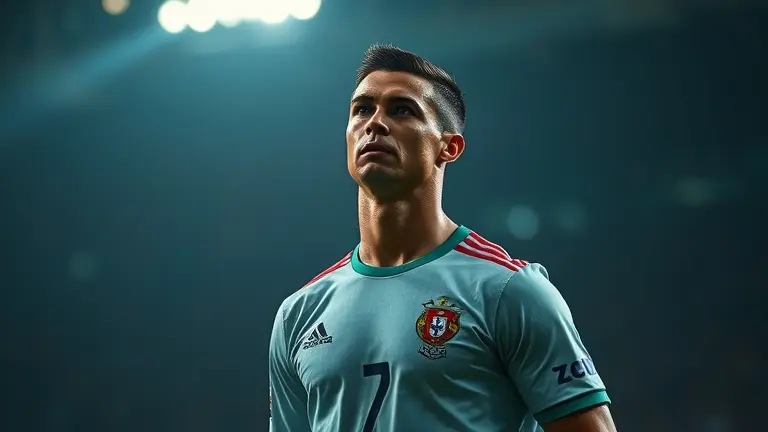
The atmosphere at the final friendly against Nigeria was electric, yet under the surface, a profound tactical evolution is unfolding for the Portuguese national team. As Cristiano Ronaldo stepped onto the pitch for what is widely considered his final World Cup campaign, the match served as a stark mirror to Portugal’s shifting offensive landscape. While the 2-1 victory, sealed by Francisco Conceição’s clinical 75th-minute winner, highlights the sheer depth of talent in the squad, Ronaldo’s struggle to convert key opportunities has ignited a national debate. It is not merely a question of physical form, but a visible transition in how the team functions—pivoting from a centralized, Ronaldo-dependent structure to a more dynamic, fluid attack driven by the explosive pace of players like Conceição and Leão.
As Portugal prepares for their high-stakes opening match against DR Congo on June 17, 2026, the contrast between the legendary ‘Last Dance’ of their captain and the emergence of a ‘New Era’ is the defining narrative of their tournament journey. This is a moment of tactical crossroads, where the ability to maintain cognitive clarity under immense pressure will decide if Portugal can balance historical leadership with the urgent necessity of fresh, clinical execution on the world’s biggest stage.
The Portugal-Nigeria Friendly: Analyzing the Final Warmup Before 2026
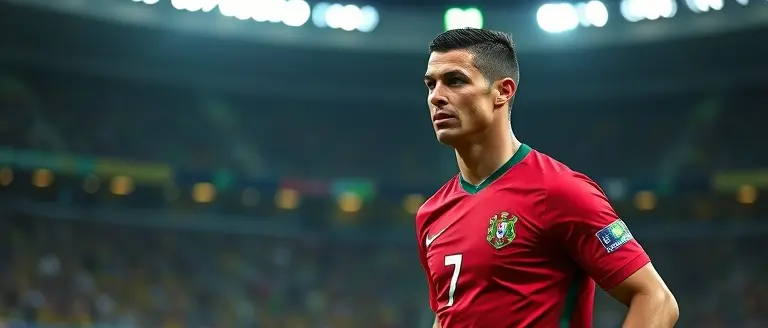
The Portugal-Nigeria friendly on June 10, 2026, served as a crucial barometer for the national team’s readiness ahead of the 2026 FIFA World Cup. Securing a narrow 2-1 victory, the squad demonstrated both the resilience of veteran leadership and the dynamic potential of its emerging stars. While the win provided a morale-boosting result, the tactical focus remained on how the team manages transitions, especially with the high-stakes opener against DR Congo looming on June 17, 2026.
Evaluating the Tactical Shift
Cristiano Ronaldo started the match and remained on the pitch for 65 minutes, acting as the focal point of the attack. While his presence commanded defensive attention from Nigeria, his failure to convert several high-value scoring chances drew significant attention. However, analytical observation suggests a structural shift in Portugal soccer tactics:
- The Pivot from Centrality: As Ronaldo’s role evolves, the team increasingly relies on wing-play to generate offensive pressure, reducing the total dependency on a central target man.
- The Rise of Francisco Conceição: The 75th-minute winner by Francisco Conceição highlighted the squad’s depth. His ability to impact the game off the bench provides the team with a much-needed injection of pace and clinical precision.
- Squad Fluidity: With players like Leão and Conceição providing width, the offensive structure appears more unpredictable compared to previous cycles.
Despite the frustration surrounding missed opportunities, the performance of this Portugal national team illustrates a transition toward a more distributed offensive model. The shift in dynamics—moving from a system built solely around the iconic striker to one that leverages the explosive talent of younger wingers—will be the defining narrative as they head into the tournament. The coaching staff is clearly experimenting with these configurations to ensure that when the “Last Dance” concludes, the next generation is fully prepared to take the reins.
The Last Dance vs. The New Era: A Tactical Shift
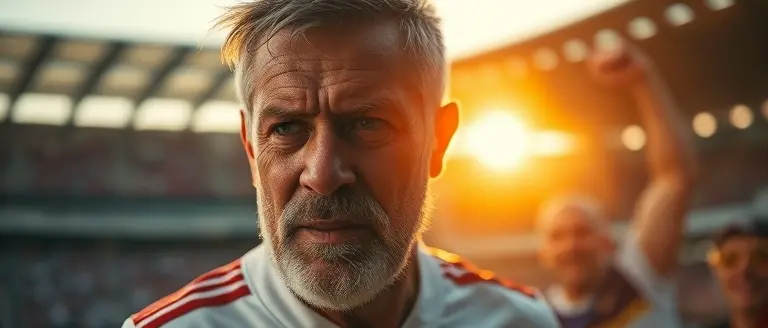
The recent Portugal soccer friendly against Nigeria served as a microcosm for the team’s ongoing identity evolution. While Cristiano Ronaldo remains the focal point of the squad’s historical legacy as he embarks on his final Portugal World Cup campaign, the tactical reliance on his singular output is clearly shifting. During the 65 minutes Ronaldo spent on the pitch, his inability to convert key chances highlighted a transition period; the team’s offensive structure is no longer tethered exclusively to his clinical finishing. Instead, the emergence of dynamic playmakers is providing a vital safety net that allows Portugal to remain dangerous even when their primary talisman experiences a dip in form.
Diversifying the Offensive Engine
The tactical shift toward a more fluid front line is anchored by young talents who prioritize pace and direct dribbling. The impact of Francisco Conceição—who secured the 2-1 victory with his 75th-minute winner—and Pedro Neto underscores a move toward a multi-dimensional attack. Unlike the traditional reliance on a stationary target man, this new guard introduces:
- High-Energy Transitions: Utilizing wingers to stretch the opposition defense, creating gaps that Ronaldo historically exploited.
- Diversified Playmaking: Spreading the creative burden across multiple positions, which complicates defensive schemes for upcoming opponents.
- Increased Tempo: Relying on the explosive speed of players like Conceição to bypass mid-block setups.
As the squad prepares for their June 17 opener against DR Congo, the technical staff faces the challenge of balancing Ronaldo’s leadership with the vibrant energy of the new generation. Evidence suggests that rather than a decline, the team is undergoing a calculated evolution. By integrating the technical maturity of veterans with the aggressive, high-press instincts of rising stars, Portugal is moving toward a system where the “Last Dance” narrative complements, rather than dictates, the team’s offensive rhythm. This evolution ensures that the Portugal match strategy is robust enough to survive the high-stakes pressure of the international stage.
From Individual Brilliance to Collective Efficiency
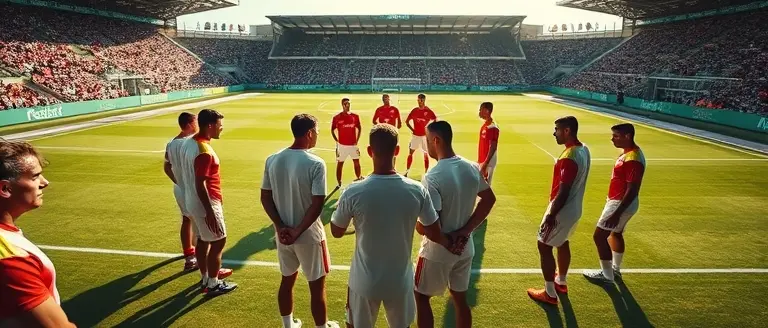
The recent Portugal match against Nigeria served as a tactical crucible, highlighting the evolving offensive identity of the national team as they prepare for the 2026 FIFA World Cup. While social media discourse fixated on the missed scoring opportunities involving Cristiano Ronaldo, a deeper analytical perspective suggests these moments are indicative of a structural shift rather than individual decline. By moving away from a hyper-centralized offense that forces every play through the veteran talisman, Portugal is diversifying its threats, which is essential for success in their upcoming tournament opener against DR Congo.
Adapting to a Dynamic Attack
The emergence of players like Francisco Conceição provides the squad with a level of tactical flexibility that was previously lacking. When the team relies less on Ronaldo as the sole finisher, the offensive structure gains fluidity:
- Offensive Diversification: With attackers like Conceição and Pedro Neto stretching the field, opponents can no longer focus solely on shutting down Ronaldo.
- Reduced Defensive Load: By distributing the creative and scoring burdens, the team mitigates the risk of being neutralized by a low-block defense.
- Systemic Balance: The 75th-minute winner from Conceição highlights how the current system now rewards movement and positional awareness over static target-man play.
Evidence suggests that the coaching staff is actively integrating these younger talents to provide a contingency plan for high-stakes moments. This “New Era” approach allows Portugal soccer to transition seamlessly when games require fresh legs or a different tactical profile. Rather than viewing Ronaldo’s missed chances in the Portugal Nigeria friendly as a failure, observers should recognize them as a symptom of a team actively testing new, collective rhythms. As Portugal approaches their June 17 showdown, this shift from individual brilliance to a distributed model may be the final piece of the puzzle needed to secure a deep run in the Portugal World Cup campaign.
Setting the Stage for the World Cup Opener: The Road to DR Congo

As Portugal turns its collective focus toward the June 17 World Cup opener against DR Congo, the technical staff is under immense pressure to synthesize tactical lessons from the recent 2-1 victory over Nigeria. While the result secured a moral win, the match served as a stark diagnostic tool for the squad’s offensive mechanics. Cristiano Ronaldo remains the focal point of the team’s identity, but the 65 minutes he logged against Nigeria highlighted a transition phase. The coaching staff is now tasked with refining the team’s shape to ensure that the reliance on a veteran talisman does not stifle the dynamism brought by emerging stars like Francisco Conceição.
Balancing Legacy and Velocity
The path to the 2026 FIFA World Cup requires a delicate balancing act. While Ronaldo’s movement and gravity inside the box create space for others, the fluidity observed after Conceição’s 75th-minute winner indicates that Portugal is arguably most dangerous when utilizing speed on the flanks. To secure early momentum against DR Congo, the team must implement several strategic pivots:
- Tactical Flexibility: Shifting from a static central attack to a high-press system that integrates both Ronaldo’s finishing prowess and the creative urgency of younger wingers.
- Squad Integration: Leveraging the Nigeria match film to identify specific passing lanes that were missed during the first hour of play, ensuring better delivery to the final third.
- Managing Expectations: Public and tactical discourse surrounding Ronaldo’s form must be channeled into cohesive team play, prioritizing the collective goal over individual milestone hunting.
By evolving the offensive structure to support both the “Last Dance” narrative and the “New Era” of Portugal soccer, the team can optimize its setup. Implementing these adjustments in training will be paramount to avoiding a sluggish start in the group stage. If Portugal can successfully blend the experience of their captain with the high-octane output of the supporting cast, they will enter the tournament as a balanced, formidable contender.
Mastering the Mindset of a Champion
The transition from a veteran-led squad to a youthful, high-octane offensive unit requires more than just physical prowess; it demands a level of mental acuity that separates the good from the truly elite. In the fast-paced environment of professional soccer, the difference between a missed chance and a match-winning goal often comes down to millisecond-perfect cognitive processing and intense, unwavering focus during the most critical phases of the game.
Much like the athletes navigating the pressure of a World Cup, you encounter high-stakes moments that demand peak mental performance. Whether you are aiming for career-defining success or looking to optimize your own daily output, the neurobiology of focus is your greatest asset. The Brain Song acts as a premier ‘mental training tool’ designed to sharpen cognitive function, reaction time, and clarity, helping you replicate the elite focus found in professional sports without the need for invasive methods.
By integrating this science-backed approach into your routine, you are doing more than just improving memory; you are conditioning your mind to stay calm, collected, and precise under pressure, exactly as the rising stars of Portuguese football must do to secure the trophy. It is time to elevate your potential and gain the competitive edge required to excel in your own ‘New Era’ of performance.
 Discover how you can sharpen your own focus and cognitive edge, just like the pros, with this 12-minute daily routine.Transform My Life Today