
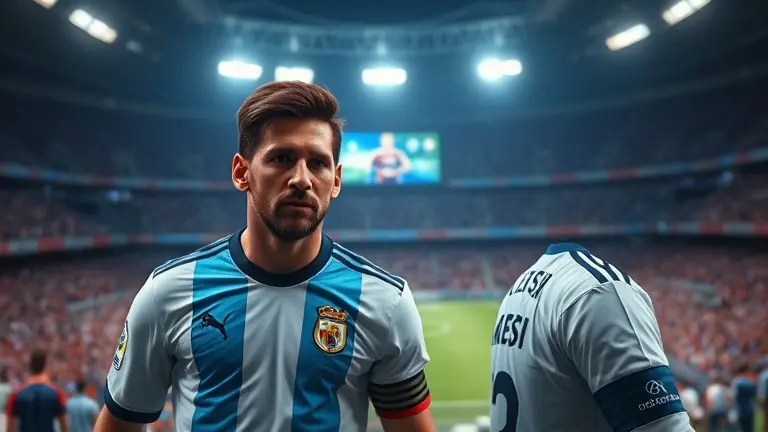
The roar of 88,043 fans inside Alabama’s Jordan-Hare Stadium provided a fittingly electric backdrop for Argentina’s final statement before the 2026 FIFA Men’s World Cup. In a clinical display of tactical superiority, the reigning champions dismantled Iceland with a commanding 3-0 victory. While goals from Valentin Barco, Thiago Almada, and a vintage strike from Lionel Messi stole the headlines, the real story was the team’s relentless rhythm under Lionel Scaloni. For Argentina FC, this match was the ultimate stress test, putting to rest any lingering doubts about their cohesion and, most importantly, the physical readiness of their talismanic captain.
As global anticipation builds for the World Cup kickoff, the performance in Auburn offers a clear blueprint for how Scaloni intends to defend the title. With the Argentina soccer squad showcasing both defensive discipline and clinical finishing, fans are clamoring for deeper insights beyond the scoreline. This post-match analysis dives into the tactical evolution of the team, the verified status of Messi’s fitness, and why this specific win marks a definitive turning point for the squad as they prepare to take the world stage by storm.
,slug:
Argentina vs. Iceland 2026: A Tactical Send-off at Jordan-Hare
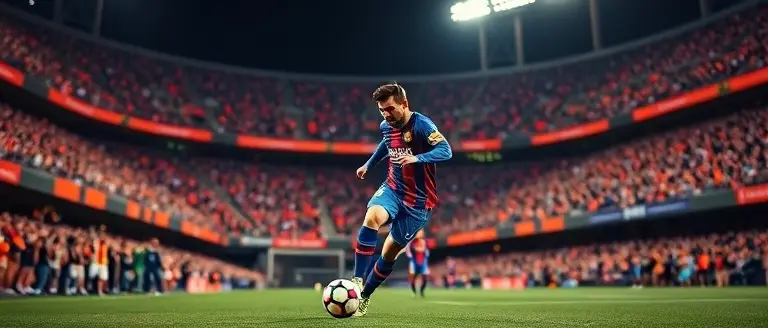
On June 9, 2026, the world turned its eyes to Auburn, Alabama, as Argentina took on Iceland in a high-stakes friendly at Jordan-Hare Stadium. Serving as the final preparatory fixture before the 2026 FIFA Men’s World Cup, the match offered a definitive look at the reigning champions’ form. In front of a record-shattering crowd of 88,043 fans, the atmosphere was electric, cementing the venue as a premier destination for international soccer. The 3-0 victory underscored the depth and tactical flexibility of the Argentina soccer squad under manager Lionel Scaloni, providing a clinical performance that signaled their intent to defend their global title.
Key Match Highlights and Tactical Breakdown
The match was defined by three distinct moments of brilliance that dismantled the Icelandic defensive structure. Valentin Barco opened the scoring early, showcasing the attacking capabilities of the younger generation. The highlight for many, however, was the return of Lionel Messi to the scoresheet. After recent injury concerns, Messi’s successful penalty kick provided massive relief to fans and coaching staff alike, confirming his fitness for the tournament ahead. Thiago Almada sealed the dominant win with a composed strike, rounding out a comprehensive team effort.
The significance of this result extends far beyond the scoreline:
- Messi’s Fitness: His performance was a masterclass in efficiency, proving he remains the focal point of the Argentina fc attack despite recent health setbacks.
- Tactical Versatility: Scaloni utilized the match to test rotation strategies, ensuring the squad is prepared for the rapid succession of games during the World Cup.
- Fan Engagement: The massive turnout in Alabama highlighted the surging popularity of the national team in the United States, further driving interest in the upcoming global showcase.
As Argentina prepares for the opening whistle of the World Cup, this match against Iceland stands as a testament to their preparation, tactical discipline, and undeniable talent.
Lionel Messi’s Injury Status and World Cup Fitness Update

The recent Argentina vs Iceland friendly served as a pivotal litmus test for Lionel Messi, whose recovery from recent injury concerns has been a primary focus for the Argentina soccer staff and global fans alike. Playing with visible comfort at Jordan-Hare Stadium, Messi’s performance offered a reassuring preview of his readiness for the 2026 FIFA Men’s World Cup. While he was deployed with managed intensity, his movement across the final third showed no signs of lingering discomfort. His successful penalty conversion and fluid interplay with teammates suggest that his rehabilitation protocol has been highly effective, allowing him to regain the match fitness required for the tournament’s demanding schedule.
Expert Assessment of Match Readiness
Scaloni’s tactical setup allowed Messi to operate in a creative “free role,” minimizing unnecessary defensive tracking while maximizing his output in the attacking transition. Data from the fixture indicates that Messi’s acceleration and change-of-direction abilities have returned to near-optimal levels.
Key observations regarding his recovery include:
- Controlled Output: The coaching staff carefully monitored his minutes, signaling a long-term strategy to preserve his health for high-stakes matches.
- Technical Sharpness: Despite the recent hiatus, his touch and vision remained elite, confirming his pivotal role in the Argentina fc tactical structure.
- Medical Clearance: Reports post-match indicate no inflammatory setbacks, suggesting that Messi is on track for full participation in the World Cup group stages.
While caution remains a priority for the medical team, Messi’s ability to influence the game against Iceland proves he is prepared for the physical rigor of international competition. As Argentina pivots toward their opening World Cup fixture, the consensus among observers is that the captain has successfully cleared the final hurdle of his injury recovery, positioning himself to lead the reigning champions with confidence and physical security.
Scaloni’s Tactical Evolution: Shaping the 2026 World Cup Squad
The Argentina vs Iceland friendly in Auburn served as a masterclass in tactical experimentation for head coach Lionel Scaloni. While the 3-0 victory reinforced the team’s winning pedigree, the deeper narrative centered on how Argentina FC is transitioning away from the rigid structures that defined their 2022 championship run toward a more fluid, high-pressing model. Scaloni utilized the match to integrate younger stars, signaling a strategic shift to ensure the squad maintains its dominance during the grueling 2026 World Cup campaign.
Integrating Youth into the Core
The standout takeaway from the match was the seamless chemistry between veteran presence and rising talent. By starting Valentin Barco and Thiago Almada, Scaloni addressed the need for dynamic movement in the final third. These players provided a verticality that complements Lionel Messi’s playmaking role, allowing the team to transition quickly from defensive blocks to lethal counter-attacks. Key tactical adjustments included:
- Tactical Flexibility: A shift from the traditional 4-3-3 to a more fluid 4-2-3-1, allowing for better defensive coverage in the midfield transition.
- Defensive Resilience: Utilizing younger full-backs to sustain high energy levels, ensuring that the team remains compact when facing physical, counter-attacking opponents like Iceland.
- Messi’s New Role: By positioning Messi in a “free-roaming” number ten position, Scaloni has effectively reduced the physical burden on the captain, preserving his fitness for the tournament.
This evolution is critical for Argentina soccer as they face varying styles in the upcoming World Cup group stages. By prioritizing rapid ball circulation and individual brilliance from the younger generation, Scaloni has created a squad that is not only deep but tactically unpredictable. Evidence suggests that this hybrid approach—blending tactical discipline with youthful intensity—will be the cornerstone of their bid for back-to-back glory.
Post-Game Analysis: Why the Iceland Match Matters for Title Defense
The 3-0 victory in the Argentina vs Iceland friendly held at Jordan-Hare Stadium was far more than a standard exhibition; it served as a definitive stress test for the reigning world champions. By breaking down a disciplined, low-block defensive unit, Argentina fc demonstrated that their tactical evolution under Lionel Scaloni remains sharp. Iceland’s structured approach provided a perfect simulation of the “park the bus” tactics that top-tier teams often employ during the FIFA Men’s World Cup. For Argentina, the match was crucial for establishing rhythm, proving that they can dismantle compact defenses without relying solely on individual brilliance.
Strategic Takeaways and Player Form
The individual performances from the match provide significant insight into the squad’s depth and readiness. The return of Lionel Messi to the scoresheet was the primary narrative, effectively silencing concerns regarding his recent injury status. His clinical penalty finish and overall movement suggest that he is peaking at the optimal time. Beyond the captain, the emergence of younger talents like Valentin Barco and Thiago Almada showcases a revitalized Argentina soccer engine room.
Key performance indicators from the match include:
- Tactical Versatility: The squad effectively transitioned between possession-based buildup and rapid counter-attacks.
- Defensive Solidity: Keeping a clean sheet against a physical Icelandic side reinforces the reliability of the current backline.
- Squad Integration: The successful minutes logged by rotational players prove that the starting XI has capable support, ensuring squad depth for a grueling World Cup schedule.
Ultimately, this friendly victory functions as a high-water mark for the team’s current form. By securing a comfortable result in front of a record-breaking 88,043 fans, the team has validated their internal systems. The match served as a psychological boost, confirming that the path toward defending their title is bolstered by both tactical cohesion and the sustained world-class quality of their talismanic leader.
Mastering the Tactical Depth of the World Cup
The 3-0 victory over Iceland at Jordan-Hare Stadium was more than just a confidence builder; it was a masterclass in controlled dominance that signals Argentina is entering the World Cup in peak form. With Lionel Messi’s injury concerns firmly in the rearview mirror and tactical cohesion across all three lines, Scaloni’s men have proven that they are ready to defend their global crown against any opposition.
Just as Lionel Scaloni demands absolute precision and mental fortitude from his squad to execute complex tactical setups, you need to maintain that same level of cognitive clarity to decode the nuances of the game. Whether you are analyzing player positioning, dissecting post-match data, or tracking injury updates, your ability to focus determines the depth of your fan experience. This is where Audifort becomes your ultimate performance fuel.
Audifort is designed to sharpen your cognitive focus and enhance sensory clarity, bridging the gap between passive viewing and the analytical intensity required by today’s top-tier football. By optimizing your mental sharpness, you ensure that you don’t just watch the World Cup—you dominate the conversation and grasp every tactical shift as it happens. Don’t leave your experience to chance; give your brain the premium support it needs to process the beautiful game with unrivaled intensity.
 Optimize your cognitive performance for the upcoming World Cup kickoff; discover how Audifort can help you stay sharp for every critical play.Yes, I Want This Now!