
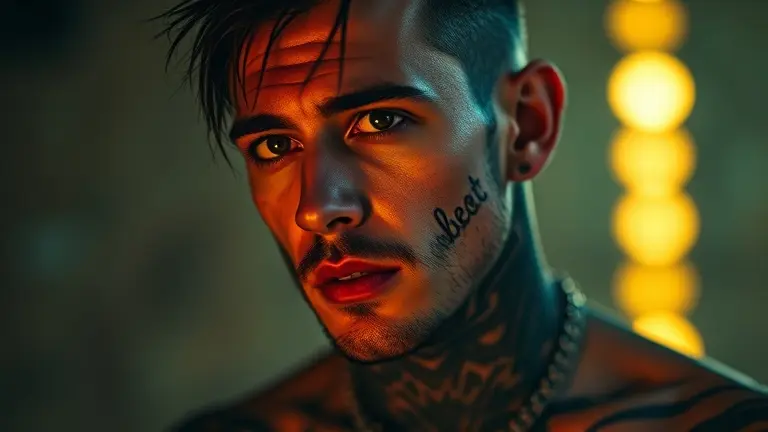
The transformation of the artist formerly known as Machine Gun Kelly (MGK) has reached a critical turning point that transcends his music and his ongoing ‘Lost Americana’ tour. In a remarkably candid interview with Billboard Canada, the genre-bending icon revealed the hidden, harrowing reality behind his recent full-body ‘blackout’ tattoo transformation. Beyond the visual shock of the ink lies a sobering health scare, with MGK detailing a period where his skin turned a concerning shade of yellow—a symptom of the immense physiological toll that such an extreme, multi-month body modification procedure placed on his system.
While tabloid media may be quick to label this episode as mere celebrity gossip, the situation opens a vital, overdue conversation about the intersection of extreme body modification and systemic health. This is no longer just about the aesthetic choices of a rockstar; it is a clinical case study on how intense physical interventions can trigger systemic inflammation and overwhelm the body’s natural defense mechanisms. As fans flock to his tour, it is time to look deeper at the ‘hidden tax’ of such radical physical evolution and what it means to prioritize wellness when you are constantly pushing your body to the limit.
The ‘Blackout’ Transformation: Addressing the Health Scare from the Billboard Canada Interview

In a candid interview with Billboard Canada published on June 9, 2026, MGK opened up about the severe physical toll of his recent, comprehensive blackout tattoo transformation. While the artist’s aesthetic pivot has dominated headlines, the reality behind the ink was far more perilous than fans initially realized. MGK detailed a “grueling” two-month process that led to a frightening medical episode, during which he described his skin turning yellow—a clear sign of jaundice and significant systemic distress. This revelation serves as a stark reminder of the physiological risks inherent in massive, rapid-fire body modification procedures.
The Medical Reality of Extreme Tattooing
The human body is not typically designed to process the sheer volume of ink pigment required for a full-body blackout design in such a condensed timeframe. Medical experts generally advise that extensive tattoo sessions place significant strain on the lymphatic system and liver, which must work overtime to process the foreign substances and dead skin cells produced during the healing process. Key health concerns associated with extreme tattooing include:
- Systemic Inflammatory Response: Rapid coverage can trigger a massive immune reaction, leading to fever, fatigue, and potential organ stress.
- Liver Burden: When the body is overwhelmed by the metabolization of tattoo ink, bilirubin levels can spike, manifesting as the yellowing skin tones MGK described.
- Infection Risk: A high surface area of open, healing skin creates a massive vulnerability to bacterial pathogens, necessitating rigorous aftercare.
By pushing his body through such an aggressive two-month transformation, MGK inadvertently tested the limits of his physical resilience. While he has since moved past the acute phase of this health scare and is currently performing on his Lost Americana tour, the incident highlights the vital need for moderation in extreme body modification. Fans and enthusiasts should view this experience not merely as a transformation of image, but as a cautionary case study on the importance of pacing and recovery when undergoing high-impact aesthetic changes.
Lost Americana Tour Hub: Everything You Need for the MGK and Wiz Khalifa Experience
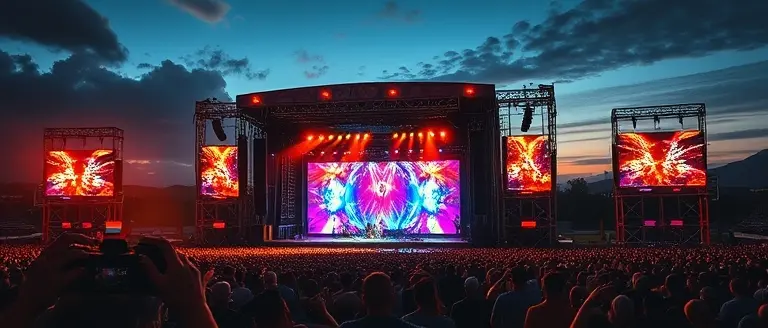
The Lost Americana Tour has solidified its status as one of the most anticipated musical events of summer 2026, pairing the high-energy, genre-bending intensity of MGK with the smooth, rhythmic flow of Wiz Khalifa. As the tour traverses major U.S. and Canadian markets, fans are flocking to witness a stage production that bridges the gap between punk-rock nostalgia and modern hip-hop culture. Attendees can expect a high-octane setlist that explores the evolution of both artists, featuring pyrotechnics, immersive lighting, and surprise collaborations that have been the hallmark of recent stops in cities like Toronto and Missouri. Secure your access through official portals like Ticketmaster or Live Nation to avoid secondary market surges, as demand for these open-air summer dates remains exceptionally high.
Venue Survival Guide and Production Expectations
Navigating an outdoor summer concert requires preparation to ensure you don’t miss a single beat of the performance. Given the scale of the Lost Americana production, venues are implementing strict bag policies and expedited entry checkpoints. To optimize your experience, consider these essential tips:
- Hydration and Comfort: Outdoor amphitheaters can become sweltering during peak summer hours; prioritize light, breathable clothing and utilize venue-approved hydration stations.
- Arrival Strategy: Arrive at least two hours before showtime to clear security and secure a prime spot in the pit or lawn, as late arrivals often face long queues during the opening act.
- Digital Prep: Download your mobile tickets to your digital wallet before arriving at the venue to bypass potential cellular network congestion at the gates.
- Production Insights: Expect a heavy focus on the new visual era of MGK, particularly his recent blackout tattoo aesthetic, which has transformed the stage presence and lighting design of this tour.
For fans looking to connect with the broader community, follow event-specific hashtags on social platforms like TikTok, where the @mgkmagic community tracks real-time updates on after-party locations, surprise guests, and setlist variations that shift from night to night. Stay vigilant regarding venue-specific parking updates to ensure a seamless departure once the final encore concludes.
Blackout Aesthetic vs. Past Eras: The Evolution of MGK’s Visual Identity

The visual evolution of MGK has long been a barometer for his creative shifts, but his transition into the blackout aesthetic marks the most radical departure in his career. For years, the artist’s identity was synonymous with the vibrant, rebellious tropes of the pop-punk revival—bleach-blonde hair, neon streetwear, and a high-energy aesthetic that fueled his Tickets to My Downfall era. This visual branding was accessible, commercial, and deeply nostalgic, grounding his music in a specific, marketable subculture. In contrast, his current total-body blackout ink represents a move toward the avant-garde and the somber, shifting the focus from high-octane pop performance to a more permanent, internal reflection of his artistic psyche.
From Pop-Punk to Post-Human Minimalism
The shift toward monochromatic body modification has divided his massive, global fanbase. While some view the transformation as a bold, authentic reclaiming of his body, others worry it signifies an abandonment of the melodic sensibilities that propelled him to mainstream superstardom. This evolution in MGK’s visual identity serves several strategic functions:
- Symbolism of Rebirth: The blackout process acts as a literal “covering” of his past, signaling a departure from previous eras that were heavily scrutinized by the media.
- Artistic Rebranding: The extreme nature of the ink forces audiences to confront his music without the distractions of traditional “pop-star” aesthetics.
- Medical Risk as Commentary: By documenting the “grueling” health challenges—including complications that resulted in his skin yellowing—he has integrated his physical pain into his public narrative, making his body a canvas for his current mental state.
Whether this move is a permanent pivot or a temporary aesthetic experiment remains the subject of intense debate on social platforms like TikTok. Regardless of the intent, MGK has successfully transitioned from an artist defined by his proximity to pop trends to one who dictates his own visual language, challenging fans to accept a darker, more unfiltered version of his creative journey.
Community Discourse: Weighing In on the Artist’s Physical Evolution
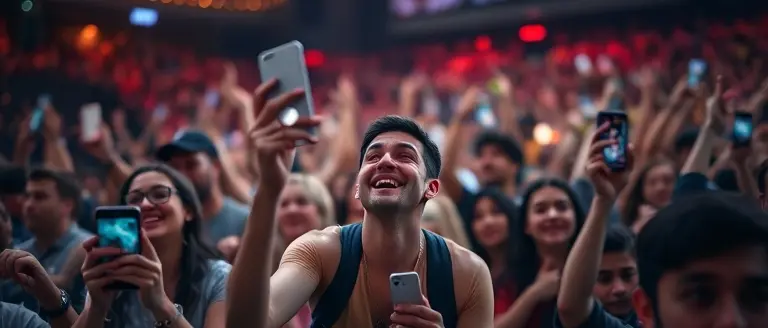
The rapid transformation of MGK through his extensive blackout tattoo journey has sparked a polarizing debate within the music community and among body modification enthusiasts. While some fans view this extreme aesthetic shift as the ultimate form of artistic autonomy, others are raising urgent questions regarding the intersection of celebrity trends and personal health. The discourse is no longer just about the visual shock factor; it has evolved into a conversation about the physical boundaries of body modification and the duty of public figures to model responsible health practices.
The Conflict: Artistry Versus Safety
Social media platforms like TikTok and X (formerly Twitter) have become the primary battleground for these differing perspectives. Supporters often highlight the historical significance of blackout tattoos, viewing the artist’s commitment as a bold reclamation of his narrative. Conversely, medical experts and concerned followers point to the systemic risks associated with taxing the body’s lymphatic system during such rapid, high-coverage procedures.
To better understand where the fanbase stands, we have identified three core segments of this ongoing community debate:
- The Aesthetes: Fans who prioritize the “Lost Americana” visual evolution, arguing that the artist’s body is a canvas for creative reinvention.
- The Health-Conscious Critics: Individuals who argue that normalizing such “grueling” physical trauma—which can lead to jaundice or internal complications—sets a dangerous precedent for impressionable fans.
- The Fence-Sitters: A large portion of the audience who appreciate the artist’s music but feel conflicted about the aesthetic trade-offs required to achieve his new look.
Ultimately, the conversation surrounding MGK serves as a vital case study for the modern celebrity era. As he continues his co-headlining tour, we invite you to weigh in: Is this commitment to extreme transformation an inspiring artistic endeavor, or does it cross a line into reckless self-endangerment? Join the discussion below to share your stance on whether the visual payoff outweighs the significant health risks documented in his recent medical reports.
Prioritizing Your Body’s Internal Resilience
Machine Gun Kelly’s journey serves as a sobering reminder that extreme aesthetic transformations often demand a steep physiological tax. While the public remains fixated on the shock value of the ‘blackout’ aesthetic, the real story lies in the profound systemic stress placed on the body’s internal defenses. Whether you are pursuing a drastic physical evolution or simply managing the stressors of a high-octane lifestyle, your body requires more than just outward care; it requires robust, internal support to handle toxic burdens and inflammation.
When you push your body to its absolute limits, you disrupt the delicate balance of your internal microbiome, the very foundation of your systemic health and immunity. Neglecting this foundation while focusing solely on exterior modifications leaves you vulnerable to prolonged inflammation and compromised recovery. It is time to treat your internal health with the same rigorous commitment you apply to your lifestyle choices.
By prioritizing a balanced microbiome, you empower your system to manage inflammation more effectively and recover from external stressors with greater resilience. Integrating targeted wellness support is not just an option—it is an essential strategy for anyone serious about long-term vitality.  Support your body’s internal recovery from the inside out; learn how a balanced microbiome helps manage inflammation and systemic health at the link below. Protect My Internal Health Now!