
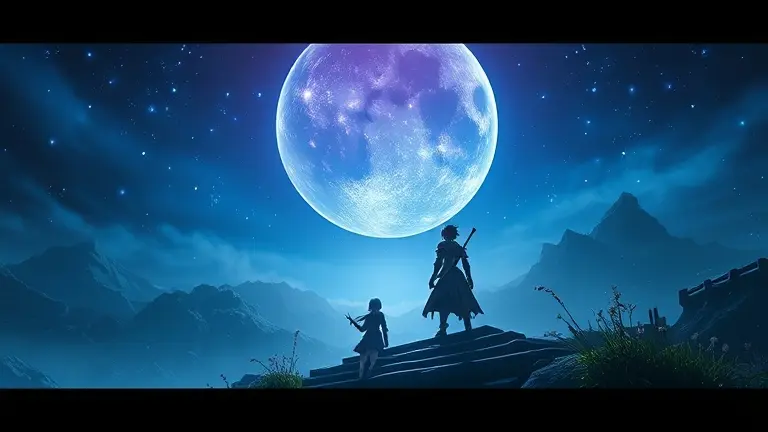
The Nintendo Direct on June 9, 2026, sent shockwaves through the JRPG community with the reveal of Final Fantasy Resonance. Stepping into the limelight as the first entry to fully embrace the breathtaking HD-2D aesthetic, this title promises to bridge the gap between Square Enix’s mobile heritage and the high-fidelity expectations of console players. Launching on October 22, 2026, for Nintendo Switch and the upcoming Switch 2, Resonance is far more than a visual showcase; it is a narrative revival of the discontinued Final Fantasy Brave Exvius, meticulously reconstructed into a premium, single-player RPG experience.
For veterans and newcomers alike, the transition from mobile episodic content to a cohesive console journey creates a massive opportunity to dive deep into the expansive lore of the FF multiverse. As we peel back the layers of its tactical combat and explore the technical prowess enabled by the Switch 2, it becomes clear that Square Enix is setting a new standard for narrative preservation. However, keeping track of these complex character arcs and intricate mechanics requires more than just casual attention—it demands the focus of a true master.
Final Fantasy Resonance: Bridging the Brave Exvius Legacy
The June 9, 2026, Nintendo Direct reveal of Final Fantasy Resonance marked a pivotal moment for Square Enix, signaling a strategic transition in how the company treats its vast mobile catalog. By repurposing the narrative architecture of the discontinued Final Fantasy Brave Exvius, the developer is effectively rescuing a decade of world-building from the ephemeral nature of mobile gaming. This title is not merely a port; it is a full-fledged single-player console RPG designed to condense the sprawling, episodic lore of Lapis into a cohesive, premium experience. Players who previously felt alienated by the gacha mechanics or the sunsetting of mobile servers now have a permanent, definitive way to experience the saga of Rain, Lasswell, and Fina.
Adapting the Lore of Lapis for Console
The adaptation process focuses on transforming the fragmented “world mission” structure of the original game into a traditional JRPG progression system. Square Enix is utilizing the HD-2D aesthetic—a hallmark of their recent success with Octopath Traveler—to provide a visual identity that honors the classic sprite-based roots of the franchise while incorporating modern lighting and depth effects. FF Resonance aims to achieve the following in its transition from mobile to console:
- Narrative Continuity: Streamlining the core plot points of the Lapis storyline to eliminate mobile-exclusive filler while maintaining the emotional stakes.
- Combat Evolution: Integrating a refined, turn-based system that replaces the simplified touch-screen inputs of Brave Exvius with tactical, deep-layered party management.
- World Exploration: Replacing static menus with immersive, hand-crafted environments that utilize the technical overhead of the Nintendo Switch and the upcoming Switch 2.
By prioritizing narrative preservation, Square Enix is setting a new industry standard for “mobile-to-console” conversions. This strategic shift suggests that future projects may follow a similar trajectory, ensuring that the rich storytelling found in mobile archives is not lost when digital services eventually close. For fans of the franchise, Final Fantasy Resonance represents the best of both worlds: the nostalgic charm of classic RPG design paired with a modern, high-fidelity presentation.
The HD-2D Evolution: Bringing Classic Tactics to Life
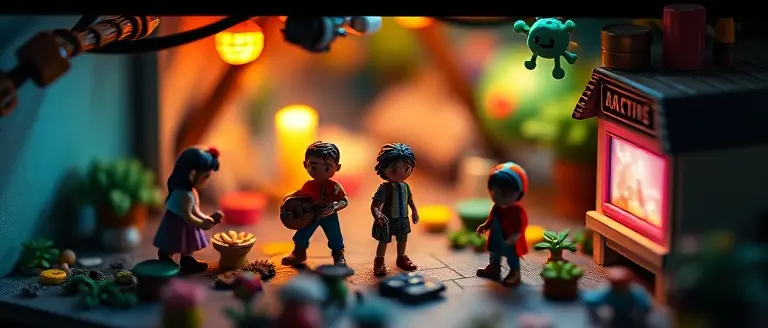
The announcement of Final Fantasy Resonance marks a pivotal aesthetic milestone for the franchise, signaling a full-scale commitment to the signature “HD-2D” art style. By blending detailed pixel-art character sprites with modern 3D environments, Square Enix is effectively bridging the gap between the 16-bit golden era of the SNES and contemporary graphical fidelity. This visual direction is more than a stylistic choice; it acts as a narrative bridge for FF resonance, ensuring that the complex, high-fantasy lore of the original Final Fantasy Brave Exvius feels grounded and cinematic without sacrificing the nostalgic charm that defined early entries in the series.
Mastering Modern Lighting and Depth
The implementation of the HD-2D engine in Final Fantasy Resonance elevates the tactical combat experience by utilizing advanced dynamic lighting, depth-of-field effects, and high-resolution textures that were previously impossible on legacy hardware. Players can expect a level of immersion that enhances the turn-based strategic gameplay, as environmental clarity allows for better visibility of terrain advantages and unit positioning. Key technical benefits of this evolution include:
- Atmospheric Depth: Real-time shadow rendering and particle effects breathe life into traditional pixel characters, making environmental interactions feel consequential.
- Tactical Visibility: The crisp, high-contrast visual style ensures that the complexity of the combat interface remains readable during intense boss encounters.
- Portfolio Synergy: This artistic pivot aligns Resonance with other acclaimed titles, solidifying the HD-2D aesthetic as the new standard for Square Enix’s classic-inspired RPG portfolio.
By revitalizing the mobile-exclusive narrative of Brave Exvius through this visual lens, the developers are providing a premium experience that honors the past while utilizing the hardware capabilities of the Nintendo Switch 2. This evolution proves that the “mobile-to-console” transition is not merely about porting content, but about re-imagining a game’s identity to resonate with a modern audience hungry for sophisticated, turn-based single-player experiences.
Tactical Deep Dive: Evolving the Combat System
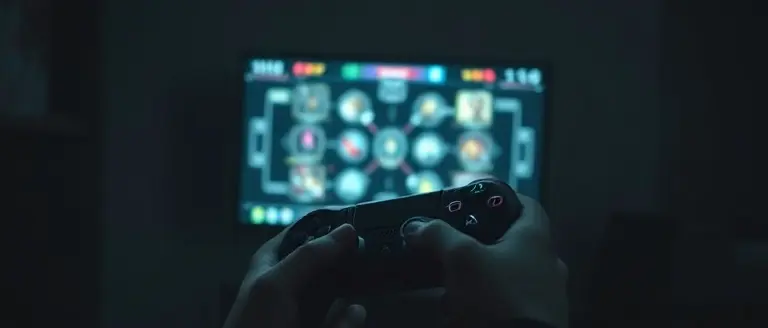
The combat architecture of Final Fantasy Resonance represents a significant departure from the gacha-driven mechanics found in the original Final Fantasy Brave Exvius. While the mobile predecessor relied on unit acquisition and randomized summoning, Resonance refines these foundations into a cohesive, single-player tactical JRPG structure. By stripping away microtransactions and focusing on a fixed party progression, Square Enix has created a balanced environment where player agency and strategic team composition are paramount to overcoming challenging turn-based encounters.
Mastering the Resonance Mechanic
At the heart of this evolved system is the titular Resonance mechanic. Unlike simple elemental affinities, this system emphasizes character synergy through specific “link states.” As players navigate the battlefield, positioning units in proximity or timing their attacks creates an energy bridge that amplifies damage output and provides unique tactical advantages.
Key elements of the combat system include:
- Tactical Positioning: Combat takes place on a grid-like field where movement directly dictates the success of ff resonance chain attacks.
- Sync-Gauge Management: Players must carefully manage a unified gauge that fills as characters work in tandem; fully charged states allow for cinematic Limit Break combos reminiscent of the series’ golden era.
- Refined Turn-Based Logic: The combat removes the “stamina” constraints of mobile gaming, allowing for complex, multi-stage boss fights that reward preparation rather than sheer player investment.
- Strategic Party Building: With a curated roster, players focus on character roles—such as tanks, healers, and physical strikers—to exploit enemy vulnerabilities, ensuring that each encounter requires specific tactical planning rather than mindless button mashing.
By shifting toward this console-first design, Final Fantasy Resonance successfully translates the depth of a long-running mobile narrative into a tight, highly satisfying RPG experience. The transition proves that the core tenets of classic FF combat can evolve to meet modern standards while respecting the lore-heavy history of the Brave Exvius universe.
Switch 2 Hardware and Technical Fidelity
The reveal of Final Fantasy Resonance during the June 9 Nintendo Direct provided more than just a trip down memory lane for fans of Final Fantasy Brave Exvius; it offered a technical showcase of the upcoming Switch 2 architecture. By utilizing the signature HD-2D aesthetic, Square Enix has pushed the boundaries of the engine beyond what was possible on current-generation hardware. Technical analysis of the trailer suggests that the new console is leveraging advanced lighting models and real-time particle density that surpass previous titles in the style, such as Octopath Traveler II.
Evidence of the enhanced Switch 2 capabilities can be seen in the following technical achievements:
- Dynamic Global Illumination: The trailer displays sophisticated light-bouncing effects that react to environmental changes in real-time, providing a depth of field that grounds the 2D sprites within a fully rendered 3D space.
- Enhanced Particle Systems: Combat sequences reveal fluid, high-fidelity spell effects and weather overlays that maintain a consistent frame rate, hinting at a significant jump in GPU throughput.
- Seamless Loading Transitions: The absence of visible, lengthy loading screens between world exploration and the turn-based combat interface suggests that the console’s suspected high-speed internal storage is eliminating the bottlenecks typically found in mobile-to-console ports.
This strategic partnership underscores a pivot for Square Enix. By choosing to launch ff resonance on both the original Switch and the upcoming hardware, the studio is signaling a transition toward a “bridge” development model. This allows for a baseline of high-quality final fantasy resonance gameplay for the current user base while simultaneously utilizing the Switch 2 to provide a “definitive” experience defined by superior visual fidelity, faster load times, and heightened immersion. Ultimately, this hardware choice validates the franchise’s investment in the HD-2D aesthetic as a premier visual standard for modern JRPGs.
Mastering the Intricacies of the Resonance Universe
Final Fantasy Resonance represents a bold evolution in how developers respect legacy content, transforming fragmented mobile narratives into a seamless, high-stakes single-player saga. As we dive into the complex history connecting this new title to the broader FF multiverse, many fans find that a clear, alert mind is essential for tracking all these interconnected narrative threads and mastering the deep tactical nuances of the combat system.
To truly excel in this experience, you need to sharpen your cognitive baseline. The Brain Song functions as a specialized ‘cognitive leveling tool,’ designed to help players enhance their focus and mental clarity during high-effort gaming sessions. By integrating our 12-minute auditory routine into your preparation, you can optimize your brain’s ability to retain lore and process technical data, ensuring you don’t miss a single detail as you navigate the rich world of Resonance.
Don’t leave your tactical advantage to chance. Align your cognitive state with the depth of the game itself and prepare for the ultimate RPG experience arriving this October.
 Optimize your focus and master the lore of Final Fantasy Resonance with The Brain Song’s 12-minute auditory routine.Yes, I Want To Sharpen My Focus Now!