

As June 10, 2026, approaches, the air is thick with anticipation for the global premiere of Every Year After, the latest Prime Video adaptation set to dominate our screens. Following the meteoric rise of Carley Fortune’s bestselling novel, this series attempts to capture the same lightning in a bottle that turned BookTok romance into a cultural phenomenon. Starring Sadie Soverall and Matt Cornett, the show promises a deep dive into the aching, timeless intensity of second-chance love, set against the quintessential backdrop of sun-drenched summers and the painful passage of time.
However, beneath the polished marketing and viral anticipation lies a polarizing reality. Early critical reviews have sparked a fierce debate: does the show honor the source material’s emotional complexity, or does it lose its soul in the transition from page to screen? For viewers diving into this decade-spanning narrative, understanding the character motivations behind their volatile choices is key to deciding if this series is worth your time or just another glossy adaptation that misses the mark.
The Road to Barry’s Bay: Understanding the ‘Every Year After’ Phenomenon

The transition of Carley Fortune’s bestselling novel, Every Summer After, from a viral #BookTok sensation to the Prime Video series Every Year After marks a significant milestone in contemporary literary adaptations. Since its publication, the story has captivated readers with its nostalgic, dual-timeline exploration of love and regret set against the backdrop of the iconic Barry’s Bay. The anticipation surrounding the June 10, 2026, release date is not merely organic; it is the result of a calculated effort by streaming executives to capitalize on the massive, pre-established digital fanbase that has spent years dissecting the emotional nuances of the source material online.
Casting the Vision
Central to the series’ high-stakes launch is the casting of Sadie Soverall and Matt Cornett. Tasked with portraying the complex, evolving relationship between Persephone Fraser and Sam Florek, these leads face the immense pressure of living up to the vivid characterizations long held by readers. Their on-screen chemistry is the focal point of the marketing campaign, designed to anchor the narrative as it oscillates between the innocence of teenage summers and the complexities of adult reconnection.
A Strategic Summer Release
The choice of an early June release is a deliberate play to align the series with the “summer romance” zeitgeist. By launching as temperatures rise, Amazon is positioning the show as the definitive binge-watch for viewers seeking escapism. Key drivers behind the current excitement include:
- Platform Synergy: Leveraging Prime Video’s massive global infrastructure to reach the same demographic that propelled the book to international bestseller status.
- Narrative Structure: The 8-part season allows for a deep dive into the non-linear storytelling that fans of the book expect, providing enough breathing room to contrast the “then” and “now” of the protagonists’ lives.
- Social Amplification: Constant engagement via platforms like TikTok has kept the title trending, with early social metrics indicating that the audience is primed to compare the show’s aesthetic against their own imagined versions of the story.
Whether the adaptation succeeds in satisfying long-term fans or stands on its own as a compelling television drama remains the primary point of industry debate.
Faithful Adaptation or Creative Departure? A Critical Analysis

The transition from a beloved #BookTok sensation to an 8-part Prime Video series has ignited a fierce debate regarding what defines a “faithful” adaptation. As viewers begin their journey with every year after, it becomes clear that the series is navigating a precarious middle ground between serving the established fanbase of Carley Fortune’s novel and catering to a wider streaming audience. Early reviews reflect a stark divide: some critics praise the show for maintaining the nostalgic “summer romance” aesthetic, while others characterize it as a “dud,” pointing to pacing inconsistencies that arguably diminish the emotional weight of the dual-timeline narrative.
Navigating the Timeline and Narrative Shifts
Translating the non-linear structure of Every Summer After into an episodic format requires significant heavy lifting. While the show successfully leans into the sun-drenched, melancholic atmosphere that defines the original work, the creative team has opted for stylistic choices that depart from the source material’s internal monologue. For those assessing the show, consider the following points of contention:
- Pacing Differences: By stretching the story across eight episodes, the series occasionally slows down, which some viewers find atmospheric, while others find it lacks the page-turning urgency of the book.
- Character Development: The screen version of the relationship between the leads, played by Sadie Soverall and Matt Cornett, relies heavily on visual cues and chemistry rather than the deep, introspective narrative found on the page.
- Creative Liberties: Several plot points have been condensed or slightly shifted to maintain momentum across the 8-part season, a move that is essential for television but remains a point of friction for purists.
Ultimately, whether every year after succeeds depends on the viewer’s expectations. If you are looking for a beat-for-beat recreation, the series may feel like a departure; however, if you view it as a reimagining designed to thrive within a streaming ecosystem, it offers a compelling look at the complexities of second-chance romance. The “warts and all” feedback from initial critics highlights the inherent difficulty in capturing the specific emotional beats that made the novel a cultural phenomenon. As the series gains traction, it serves as a fascinating case study in the evolving landscape of literary adaptations.
Is It Worth the Hype? A ‘Watch or Skip’ Guide

The anticipation surrounding Every Year After—the ambitious adaptation of Carley Fortune’s hit novel—has created a divide between die-hard fans of the source material and casual streaming audiences. As the series hits Prime Video, the central question remains: does the 8-part season justify the #BookTok fervor, or does it fall victim to the common pitfalls of literary translation? Initial reception is notably polarized, with critics debating whether the show’s summer romance aesthetic effectively masks potential pacing inconsistencies. For those wondering if they should commit to the binge, the answer largely depends on your appetite for nostalgic, slow-burn emotional dramas.
Chemistry and Pacing: Evaluating the Performance
The success of the series rests almost entirely on the shoulders of Sadie Soverall and Matt Cornett. Their chemistry is the anchor of the show; Soverall delivers a grounded, nuanced performance that captures the essence of the novel’s protagonist, while Cornett provides a compelling counterpart. However, the show’s transition from page to screen is not without friction. Consider these factors before you start:
- Pacing and Structure: The narrative weaves through a dual-timeline structure. While effective in the novel, it occasionally feels disjointed in the television format, leading to moments where the emotional payoff is slightly delayed.
- Visual Aesthetic: If you are watching for the atmosphere, the show is a success. The production team captures a quintessential, sun-drenched summer romance vibe that perfectly aligns with the June release.
- The Verdict: If you value character-driven narratives and atmospheric storytelling, Every Year After is likely worth the watch. If you prefer high-octane plot progression, the methodical, moody nature of this adaptation might feel like a slow burn that demands a bit too much patience. Ultimately, the show functions best as a nostalgic retreat, provided you are willing to embrace its slower, more reflective moments.
The ‘Every Year After’ Aesthetic: Why Summer Romance is Trending

The arrival of Every Year After on Prime Video aligns perfectly with a broader cultural obsession: the “nostalgic summer romance.” As temperatures rise, streaming audiences gravitate toward content that mirrors the season’s transient, sun-drenched energy. By adapting Carley Fortune’s bestselling novel, the series leans heavily into a specific visual vocabulary—lakeside bonfire nights, humid evening transitions, and the bittersweet longing of youth—that has become a hallmark of the #BookTok aesthetic. This intentional “summer romance” look serves as more than just a backdrop; it is a primary driver of the show’s massive social media engagement.
Why the Aesthetic Drives Engagement
The visual language of the show is engineered for platforms like TikTok and Instagram, where the “every year after” hashtag has already gained significant traction. This aesthetic success relies on several core elements:
- The “Coastal Grandmother” and “Summer Youth” Intersection: The production utilizes soft-focus cinematography that highlights natural lighting and vibrant outdoor settings, making every frame highly shareable.
- Nostalgic Triggers: The use of period-specific fashion and setting helps viewers tap into the universal feeling of “the summer that changed everything,” a recurring trope that performs exceptionally well in romance adaptations.
- Escapism through Atmosphere: By prioritizing the sensory experience of a lake house setting—the crackle of fires, the shimmer of water, and late-night heart-to-hearts—the series positions itself as an immersive escape rather than just a narrative exercise.
Evidence suggests that when high-production value meets the yearning themes found in modern romance novels, the result is a “binge-worthy” cultural moment. For new viewers, this aesthetic acts as a siren song, bridging the gap between the book’s loyal fanbase and a wider audience seeking an atmospheric, character-driven narrative. As the June release continues to dominate social feeds, the series proves that the mood of a show is often just as critical to its success as the plot itself.
Decoding the Heart of the Story
Ultimately, Every Year After serves as a mirror for our own romantic history, highlighting why some connections withstand the weight of years while others inevitably fracture. The push-and-pull between the leads isn’t just dramatic filler; it reflects the deep, often messy, psychological drivers that dictate our own capacity for devotion and attachment. If you find yourself captivated by why these characters struggle to maintain their bond, you are tapping into the core of human relationship dynamics.
Understanding these emotional triggers is the missing piece of the puzzle. By exploring the biological and psychological drivers behind romantic commitment, you can move from merely watching fictional drama to mastering the dynamics in your own life. This is where His Secret Obsession becomes your essential emotional companion guide, helping you interpret the complex behaviors that make second-chance romances like this so irresistibly—and frustratingly—real.
If you’re fascinated by the intense romantic tension in ‘Every Year After’ and want to understand how those deep emotional triggers work in reality, check out His Secret Obsession.
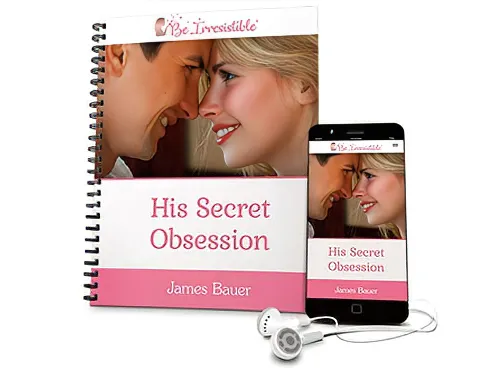
If you’re fascinated by the intense romantic tension in ‘Every Year After’ and want to understand how those deep emotional triggers work in reality, check out His Secret Obsession.