
The morning ritual is sacred for millions of Wordle enthusiasts: that precise moment when the grid refreshes, and the hunt for the hidden five-letter word begins. Whether you are aiming to protect a triple-digit streak or simply looking for a moment of intellectual stimulation, today’s puzzle requires more than just vocabulary—it demands a refined strategic approach. If you find yourself staring at an empty grid, searching for that crucial wordle hint to break the deadlock, you are in good company. Often, the difference between a successful solve and a lost streak comes down to how well you can identify patterns under pressure.
Rather than relying on quick-fix spoilers that ruin the satisfaction of the game, true masters focus on optimizing their solving strategy. From analyzing letter frequency to selecting the most effective starting words, our guide is designed to provide the nudges you need while keeping the final answer hidden until you are ready. For those seeking wordle help for June 8, we have structured our insights to ensure you maintain your competitive edge, sharpen your deductive reasoning, and keep your game-day momentum alive without sacrificing the thrill of the chase.
Wordle #1815: Context for June 8, 2026

The daily ritual of solving the New York Times Wordle puzzle reached a point of heightened frustration for many players on June 8, 2026. As users searched for a wordle hint to navigate the challenges of puzzle #1815, it became clear that the solution, “MAFIA,” presented a significant hurdle for those maintaining their long-term winning streaks. Words containing rare letter distributions or unconventional phonetic patterns often cause spikes in search traffic, as players turn to resources for wordle help to avoid a premature end to their progress.
Why Today’s Puzzle Challenged Players
The difficulty of #1815 stems from the structural composition of the answer. Because “MAFIA” relies on the double-vowel pairing and the inclusion of the letter ‘F’ in a non-standard position, many standard opening strategies proved ineffective. When the daily puzzle presents such a specific vocabulary choice, the importance of maintaining a strategic approach becomes paramount. To effectively manage your streak, consider these factors:
- Letter Frequency: Even with common starting words, rare consonants like ‘F’ can stall progress if they appear in the middle of a word.
- Vocabulary Patterns: The NYT editorial team occasionally selects words that disrupt common vowel-heavy heuristic patterns.
- Streak Preservation: Players often seek a wordle hint for June 8 not because they lack skill, but because they recognize the need for tactical assistance when the game’s difficulty curve shifts unexpectedly.
Consistent players understand that keeping a streak alive is often about knowing when to pivot from a standard guess to a more deliberate, analytical strategy. By identifying the constraints of today’s grid early, you can optimize your guesses to ensure that the answer remains within reach, regardless of the word’s complexity or the specific letter challenges presented.
Daily Hints to Keep Your Streak Alive

Maintaining your daily Wordle streak requires more than just luck; it demands a calculated approach to word selection and letter elimination. If you are struggling with your wordle hint for June 8, puzzle #1815, it is time to pivot from guessing to a tactical strategy. When the grid looks empty, remember that the most successful solvers prioritize common vowel positioning and high-frequency consonants early on. By focusing on the structural components of the word rather than randomly plugging in letters, you can significantly narrow your possibilities.
Strategic Clues for Puzzle #1815
Before jumping to the solution, consider these structural insights designed to provide wordle help without ruining the surprise. These clues are tailored to move you toward the correct answer through logical deduction:
- Vowel Placement: The word features a prominent vowel structure that often appears in middle-heavy constructions. Look for a combination where the second and fourth positions are occupied by vowels.
- Consonant Clusters: This word begins with a common consonant pair. If your current guesses include letters like “M” or “F” at the start, you are on the right track.
- Word Complexity: The term refers to a specific social or organizational structure, which is a common thematic choice for the New York Times puzzle team.
- Letter Distribution: There is a rare, high-value consonant used in this word that typically creates a bottleneck for players. If you haven’t identified the second letter yet, try testing words that utilize standard “A” and “I” placements.
By evaluating these patterns, you can effectively use your remaining guesses to triangulate the solution. Analyzing how the grid responds to these hints is essential for maintaining your momentum. Whether you are a casual player or a data-driven strategist, focusing on these linguistic building blocks ensures that you keep your streak intact while honing your puzzle-solving skills for future challenges.
The Answer for Wordle #1815

If you have exhausted your guesses and need a reliable wordle help resource to maintain your streak, look no further. For puzzle #1815, released on June 8, 2026, the official solution is MAFIA.
Why Was Today’s Puzzle So Challenging?
Wordle players often find that words featuring double letters or specific consonant patterns—like the “-FIA” suffix—create significant hurdles. Many common starting strategies, such as using words with high-frequency vowels (A, E, I) or standard consonants like R, S, and T, might not have effectively narrowed down the field for this particular entry. Because ‘MAFIA’ uses relatively uncommon letters in the final two positions, players who rely on standard elimination tactics often find their grids filled with yellow tiles that provide little direction toward the final answer.
- Letter Distribution: The word relies on ‘M’ and ‘F’, which are not always prioritized in opening guesses.
- Double Vowels: The presence of two ‘A’s frequently trips up players who assume unique letter distribution across the five slots.
- Strategy Shift: When you encounter a word like this, shifting your strategy to test rare consonants after securing the ‘A’ and ‘I’ can be the difference between a win and a lost streak.
Mastering Your Future Strategy
Finding the wordle hint you need is only half the battle; improving your daily consistency requires analytical play. If you struggled with today’s word, consider reviewing your opening word choices. Integrating words that balance common vowels with underutilized consonants can prevent early-game stagnation. As you prepare for the next daily challenge, remember that consistent play is built on identifying patterns rather than guessing randomly. By analyzing the frequency of letters in NYT puzzles, you can create a more robust framework for success, ensuring that even the most obscure words—like today’s solution—become manageable. Use this result to refine your approach, and you will be well-equipped to handle future, more difficult puzzles with confidence.
Beyond Wordle: Tackle Today’s NYT Connections

If your morning ritual includes securing a wordle hint to protect your streak, you are likely already familiar with the mental shift required to navigate the New York Times’ secondary daily challenge: Connections. While Wordle tests your mastery of linguistic patterns and letter frequency, Connections demands a different kind of cognitive agility, requiring players to categorize sixteen seemingly disparate words into four distinct groups of four based on subtle, often tricky, thematic associations.
Why Your Morning Ritual Needs a Strategy Pivot
Many players who search for wordle help find that the analytical approach used to solve the daily puzzle translates well to the grid-based logic of Connections. However, unlike Wordle, which provides immediate color-coded feedback, Connections can be unforgiving. A single misplaced word can lead to a string of errors that depletes your guesses rapidly. To maintain your success rate, consider these strategic approaches:
- Scan for Red Herrings: The game creators frequently include words that could belong to multiple categories, designed specifically to bait players into premature guesses.
- Identify the “Purple” Category: Often, the most difficult category involves puns, word prefixes, or abstract pop-culture references that don’t fit standard dictionary definitions.
- Cross-Reference Data: Just as you might look for a wordle hint june 8 to avoid a game-ending loss, treat Connections as a puzzle of elimination. If you see four words that seem to share a theme, pause to ensure no other words on the board share that same attribute.
Expanding your daily game routine to include Connections is a proven way to sharpen your lateral thinking. Whether you are using a dedicated guide or tackling the puzzle on your own, the key is to avoid rushing. Much like Wordle, the best results come from pacing yourself and recognizing that the difficulty often lies in how the puzzle designers group seemingly unrelated concepts. By diversifying your daily gaming, you keep your mind engaged and maintain the momentum of your NYT puzzle streak.
Unlock Your Peak Puzzle Performance
Mastering Wordle isn’t just about luck or trial and error; it is about cultivating the sharp, analytical focus required to decode patterns before the rest of the world. By integrating strategic starting word analysis with a calm, primed mindset, you transform a daily habit into a high-level cognitive exercise. Consistency is the key to maintaining your streak, but your mental clarity is the secret weapon that decides whether you solve the puzzle in three guesses or run out of turns.
Just as choosing the right starting word impacts your game, sharpening your cognitive focus is the secret to maintaining your streak. This is why we recommend optimizing your brain’s performance before you even make your first guess. The Brain Song serves as your ultimate cognitive warm-up, utilizing a 12-minute audio routine to clear away mental fog and enhance the pattern recognition skills necessary to dominate today’s challenge. It is the perfect, non-invasive edge that prepares your mind for the analytical rigors of the NYT puzzle.
Don’t let mental fatigue threaten your hard-earned streak. By aligning your morning routine with scientifically designed audio cues, you ensure your brain is operating at its peak potential, making each guess more deliberate and effective. Experience the difference that optimized focus makes and approach every future Wordle grid with supreme confidence.
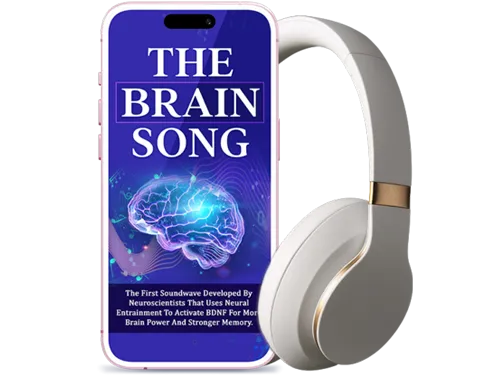 Ready to sharpen your game? Try The Brain Song’s 12-minute audio routine to clear the mental fog and dominate your Wordle streak today.Transform My Cognitive Power Today!