
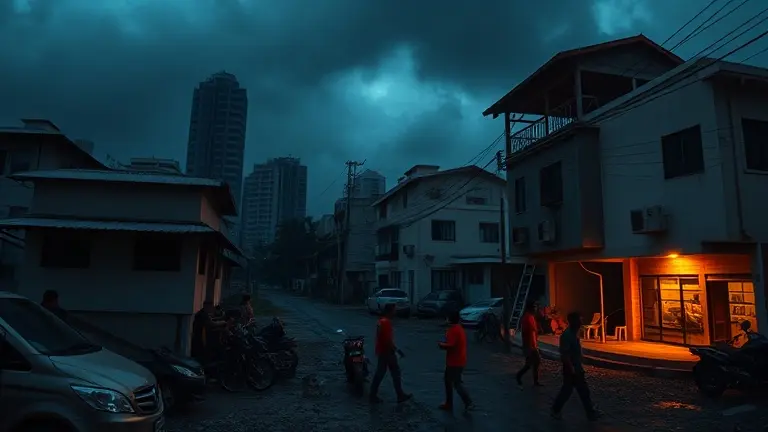
On June 8, 2026, the southern Philippines was shaken by a powerful magnitude 7.8 earthquake, a stark reminder of the volatile seismic forces inherent to the Pacific ‘Ring of Fire.’ As emergency responders in Mindanao and General Santos City work tirelessly to navigate the aftermath of this devastating event, the international community watches with growing concern, particularly regarding the threat of tsunamis and the resilience of local infrastructure. This tragedy has once again brought the critical issue of disaster preparedness to the forefront, shifting the narrative from mere reaction to the urgent necessity of long-term structural integrity.
While breaking news updates continue to provide vital safety information, it is equally important to address the deeper, systemic vulnerabilities exposed by such seismic activity. In regions prone to high-magnitude tremors, the quality of construction and adherence to rigorous architectural standards are the primary factors between survival and catastrophe. As we analyze the ongoing situation, understanding how to reinforce our built environments against future threats is an essential step for every homeowner seeking to protect their family and property in these high-risk zones.
Major 7.8 Magnitude Earthquake Strikes Mindanao: Current Status and Impact
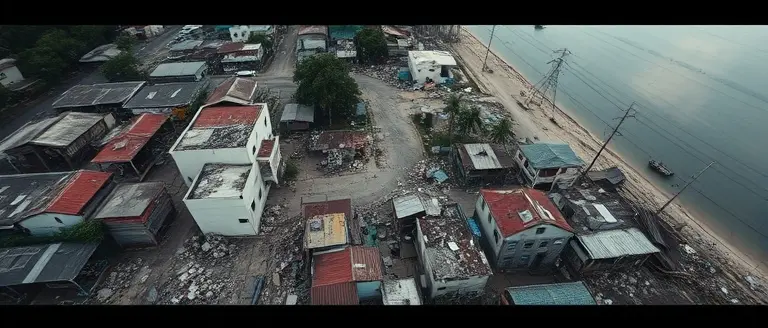
On June 8, 2026, the southern Philippines was rocked by a devastating magnitude 7.8 earthquake, marking the most significant seismic event to hit the region this year. Centered near the Mindanao region, the tremor caused widespread structural damage, particularly within the bustling city of General Santos City. According to the latest reports verified by the Philippine Institute of Volcanology and Seismology (PHIVOLCS), the impact of the seismic waves was severe, leading to significant building collapses and forcing local authorities to declare a state of emergency as search and rescue teams mobilize across the affected areas.
The current casualty toll stands at at least 32 fatalities and over 200 injuries. These figures are expected to fluctuate as debris is cleared and emergency responders reach more remote communities. The infrastructure damage in General Santos City is extensive, with images emerging of fractured roads and destroyed concrete structures, highlighting the vulnerability of the region’s built environment to such high-magnitude tremors.
International Tsunami Warnings and Regional Safety
Due to the offshore nature of the quake, authorities issued immediate tsunami warnings across the Pacific. The threat level prompted international concern, with emergency protocols triggered as far away as Okinawa, Japan. While the immediate threat has begun to stabilize, regional maritime agencies continue to monitor sea levels closely. U.S. military authorities stationed in the Pacific also implemented precautionary measures to ensure the safety of personnel and assets in the direct path of the potential surge.
Key updates for residents and observers include:
- Official Information: Always prioritize guidance from PHIVOLCS and local government units over unverified social media reports.
- Aftershock Awareness: Experts warn that significant aftershocks are likely following a 7.8 magnitude event; residents should avoid damaged buildings.
- Tsunami Preparedness: Coastal communities are advised to remain alert for fluctuating sea levels, even if the primary wave risk has been downgraded.
As this Philippines earthquake unfolds, the focus remains on stabilization, medical triage, and assessing the full scope of structural integrity across Southern Mindanao. Ongoing analysis of the tectonic subduction zone mechanics remains a priority for regional scientists aiming to improve long-term disaster resilience in the Philippines.
Tsunami Risk Assessment and Safety Protocols

The June 8, 2026, Philippines earthquake—a massive 7.8 magnitude event—has necessitated immediate tsunami alerts across the Pacific, extending as far as Okinawa, Japan. These warnings are triggered by the vertical displacement of the seafloor along the region’s active subduction zones, which forces a massive volume of water to be displaced, creating powerful waves capable of traveling vast distances. Because the Mindanao region is situated along the volatile Pacific ‘Ring of Fire,’ seismic events of this scale possess the kinetic energy required to generate destructive surges. Residents and travelers must treat all tsunami warnings issued by official agencies like PHIVOLCS with the highest level of urgency.
Critical Safety and Evacuation Procedures
In the event of a seismic disturbance near coastal areas, immediate action is required to ensure survival. If you are near the coastline, do not wait for an official siren if the shaking is strong enough to make standing difficult. Adhere to these essential safety protocols:
- Move to Higher Ground: Immediately move to an elevation at least 30 meters (100 feet) above sea level or at least two kilometers inland. Avoid rivers and estuaries, as tsunami surges often travel rapidly up these channels.
- Identify Natural Warning Signs: Be vigilant for the “drawback,” a phenomenon where the sea level recedes significantly, exposing the seafloor. This is a critical natural warning of an approaching wave. Furthermore, a loud, roaring sound similar to a jet engine or a freight train may indicate an incoming tsunami.
- Stay Informed via Verified Channels: Do not rely on social media rumors. Monitor updates from local government authorities and national meteorological agencies for confirmed tsunami status.
- Do Not Return Until Cleared: A tsunami is a series of waves, not a single event. The first wave is rarely the largest, and dangerous surges can continue for many hours following the initial seismic activity. Wait for an official “all clear” before returning to the coast.
By prioritizing rapid vertical evacuation and remaining away from the shoreline until official notifications are issued, individuals can significantly mitigate the life-threatening risks associated with a tsunami following a major earthquake in the Philippines.
Navigating Aftershocks: Expert Safety Guidance

Following a high-magnitude philippines earthquake like the 7.8 tremor that struck Mindanao, the geological reality of the Pacific “Ring of Fire” necessitates constant vigilance. Seismologists emphasize that aftershocks are not merely possible; they are statistically inevitable. These subsequent tremors can occur minutes, days, or even weeks after the main event, often compromising structures already weakened by the initial impact. Residents and those monitoring the earthquake philippines situation must remain on high alert, as aftershocks can trigger secondary collapses and further endanger individuals in the hardest-hit areas of General Santos City and surrounding regions.
Essential Protocols for Seismic Safety
To maximize safety during this volatile period, authorities emphasize adherence to established international protocols. If you are in the affected region, your immediate priority should be personal protection rather than property preservation:
- Drop, Cover, and Hold On: If you feel the ground begin to shake again, do not attempt to run outside. Drop to your hands and knees, cover your head and neck with your arms, and crawl under a sturdy table or desk. Stay there until the shaking stops completely.
- Avoid Damaged Infrastructure: Stay away from buildings with visible cracks, structural warping, or debris. A building that survived the initial philippines earthquake today may be unstable and could collapse during even a moderate aftershock.
- Move to Higher Ground: If you are in a coastal area, prioritize evacuation routes away from the shoreline. A tsunami remains a critical threat following large-scale seismic shifts, and official alerts must be followed immediately.
- Emergency Preparedness: Maintain a “Go-Bag” that is easily accessible. This kit must contain at least three days of potable water, non-perishable food, high-capacity batteries for radios or flashlights, and a comprehensive first-aid kit.
By maintaining situational awareness and avoiding unnecessary risks, you significantly improve your survival odds during the ongoing seismic sequence. Remain tuned to official government channels, such as PHIVOLCS, for the most accurate and verified data regarding the philippines earthquake and potential tsunami warnings.
The Pacific Ring of Fire: Understanding Regional Seismic Activity
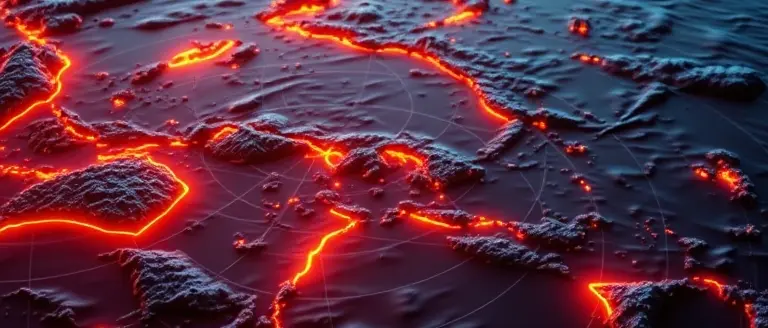
The Philippines earthquake serves as a stark reminder of the volatile geological environment defining the Pacific Ring of Fire. This horseshoe-shaped belt, spanning approximately 25,000 miles, is the site of nearly 90% of the world’s seismic activity. The archipelago is uniquely positioned at the confluence of several tectonic plates, most notably the Philippine Sea Plate and the Eurasian Plate. The constant movement of these massive crustal sections creates intense pressure, which is released periodically through high-magnitude tremors and volcanic eruptions. Understanding this environment is essential for assessing why an earthquake in the Philippines can reach such devastating magnitudes, as seen in the recent 7.8-magnitude event.
Tectonic Subduction and Seismic Mechanics
The primary driver of high-magnitude seismic events in the region is a geological process known as subduction. This occurs when a denser oceanic plate is forced beneath a lighter continental or secondary oceanic plate into the Earth’s mantle. In the Mindanao region, this interaction creates a deep-sea trench where energy accumulates over decades or centuries. When the friction between these plates is finally overcome, the sudden release of stored elastic strain energy generates powerful seismic waves.
Key factors contributing to the high impact of these events include:
- Subduction Zone Dynamics: The Philippines sits atop multiple complex fault systems, making the entire nation a high-risk zone for seismic activity.
- Tsunami Potential: Because these subduction zones often occur beneath the ocean floor, vertical displacement of the water column can trigger a tsunami, necessitating rapid international alerts for countries as distant as Japan.
- Crustal Stress: Ongoing tectonic convergence ensures that stress continues to build, meaning the risk of a significant Philippines earthquake today or in the future remains a permanent reality for residents.
While advancements in structural engineering have improved resilience, the sheer magnitude of events generated by these subduction zones remains a significant challenge for infrastructure. For residents and international observers monitoring a Philippines earthquake or checking for updates on an earthquake in the Philippines today, understanding these deep-seated tectonic realities provides necessary context for the scale of the destruction and the importance of long-term disaster preparedness.
Building a Stronger, Safer Future
The recent earthquake in the Philippines serves as a sobering testament to the power of nature and the urgent need for a shift in how we approach home construction. As we examine how local architecture in the Philippines must evolve to withstand the Pacific Ring of Fire’s volatility, having access to rigorous, tested, and structurally sound building plans is no longer just a luxury—it is a critical component of community safety. Relying on amateur design or inadequate structural reinforcement is a risk no homeowner should be willing to take when lives are on the line.
To help you navigate the complexities of reconstruction and fortification, we recommend Ted’s Woodworking. This comprehensive toolkit provides access to over 16,000 workshop-tested, precise blueprints designed to ensure that home repairs and structural reinforcements meet professional safety standards. By utilizing these expert-verified plans, you are not just repairing a structure; you are implementing an infrastructure safety toolkit that empowers you to rebuild with technical certainty and the structural integrity required to withstand future seismic challenges.
Don’t leave the safety of your home to chance. By prioritizing proven architectural standards today, you build a foundation of resilience for tomorrow. Secure your future and take the first step toward a safer home by utilizing the professional resources that prioritize structural longevity over guesswork.
 Build for the future: Secure your home’s structural resilience with verified, foolproof architectural plans here.Yes, I Want This Now!