
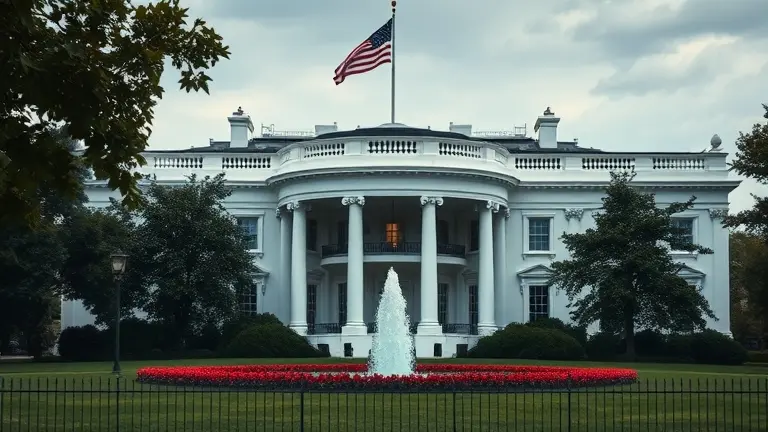
As the June 14, 2026, date for ‘UFC Freedom 250’ approaches, the spectacle of a professional combat sports event on the White House South Lawn has devolved into a volatile legal showdown. A federal lawsuit filed by Virginia residents is challenging the event’s legitimacy, alleging a ‘corrupt scheme’ that flies in the face of long-standing National Park Service regulations governing our most sacred national monuments. While proponents champion the event as a celebration of presidential culture, critics argue that the commercialization of federal grounds sets a dangerous precedent that undermines the integrity of public property.
The core of this dispute lies not in political posturing, but in the specific bureaucratic ‘blueprints’—the administrative codes and land-use statutes—that dictate what can and cannot occur on federal soil. Just as any complex structural project requires a rigorous, workshop-tested plan to avoid a catastrophic collapse, evaluating the legality of this event demands a forensic look at the exact regulations governing the White House. Understanding the outcome requires us to move past the headlines and examine the technical framework upon which this controversial event stands or falls.
The UFC Freedom 250 Controversy: A Challenge to the White House South Lawn
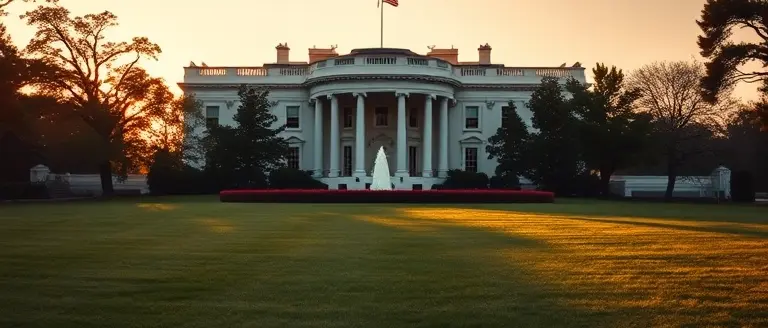
A federal lawsuit aims to stop the UFC fight at the White House, creating a high-stakes legal showdown just days before the scheduled “UFC Freedom 250” event. Filed on June 7, 2026, by two Virginia residents, the litigation seeks an immediate injunction to block the combat sports promotion from taking place on the White House South Lawn on June 14, 2026. This date carries significant symbolic weight, as it coincides with the 80th birthday of President Donald Trump, leading critics to argue that the event serves more as a political spectacle than a standard athletic exhibition.
The legal complaint centers on several core grievances regarding the intersection of federal property use and private corporate interests. The plaintiffs allege that this event constitutes a “corrupt scheme” designed for private gain rather than a legitimate public function. Their arguments focus on two primary pillars:
- Violation of National Park Service (NPS) Regulations: The lawsuit asserts that the South Lawn, as part of the presidential grounds overseen by federal authorities, is protected from commercial exploitation. The plaintiffs argue that hosting a commercial combat sports event violates existing statutes governing the use of national monuments and federal property.
- Misuse of Public Grounds: The legal action questions the precedent set by allowing a private, for-profit entity like the UFC to occupy high-security, taxpayer-funded land.
While the UFC has publicly defended the event by emphasizing that it is privately funded and part of the broader “America 250” celebration series, legal experts remain divided. The proximity of the June 7 filing to the June 14 event date leaves a razor-thin margin for the courts to deliberate on an injunction. By framing the dispute around the commercialization of federal grounds, the plaintiffs are forcing a judicial examination of whether the Executive Branch has the authority to host purely commercial, ticketed entertainment on grounds historically reserved for official state business. As the legal clock ticks down, the case highlights an intensifying debate over the boundaries between presidential cultural initiatives and the regulatory protections of public, federal spaces.
Legal Mechanisms: How Plaintiffs Are Challenging Federal Land Use
The lawsuit aims to stop UFC fight at the White House on June 14, 2026, by challenging the National Park Service (NPS) on its interpretation of public land usage regulations. At the core of the plaintiffs’ legal strategy is the assertion that the South Lawn, as part of the White House complex, falls under stringent federal protection protocols that prohibit commercial entertainment or private, for-profit sporting events. The plaintiffs argue that the permit granted for ‘UFC Freedom 250’ bypasses established Commercial Use Authorization (CUA) guidelines, which traditionally mandate that activities on federal grounds serve a primary public purpose rather than a corporate one. By framing the event as a “corrupt scheme” for private financial gain, the legal team is attempting to establish that the NPS acted in an “arbitrary and capricious” manner, a standard threshold for challenging administrative agency decisions under the Administrative Procedure Act (APA).
Navigating the Hurdles of an Emergency Injunction
Securing an emergency injunction represents a massive logistical and legal hurdle for the plaintiffs given the narrow seven-day window between the filing on June 7 and the scheduled event on June 14. To succeed, the plaintiffs must demonstrate:
- Irreparable Harm: They must prove that the physical or symbolic damage to national monuments from the event is immediate and cannot be remedied by monetary damages later.
- Likelihood of Success on the Merits: The legal team must convince the court that the UFC’s combat sports format clearly violates existing NPS regulatory mandates.
- Public Interest: They must argue that preserving the integrity of federal property outweighs the executive branch’s desire to host a high-profile cultural event.
Legal experts note that litigating against the federal government on such a truncated timeline is exceptionally rare. Courts are historically hesitant to interfere with the executive branch’s control over presidential grounds, particularly regarding events that are framed as part of the broader ‘America 250’ celebration. Consequently, the plaintiffs’ strategy relies heavily on proving that the commercial nature of a cage fight crosses a specific, codified line that even broad executive authority cannot traverse.
The Precedent of Commercialization on Public Grounds
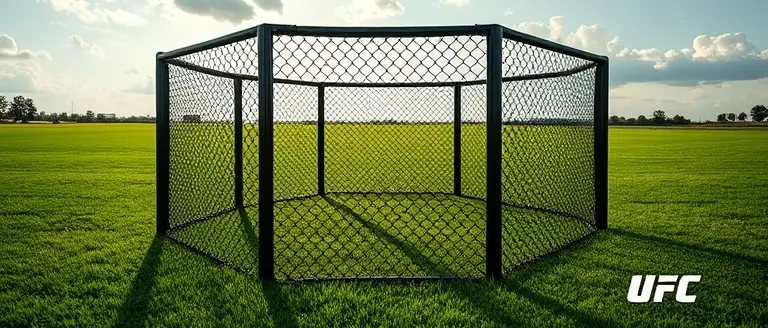
The lawsuit aims to stop UFC fight at the White House highlights a fundamental tension between the symbolic integrity of federal monuments and the evolving demands of modern political spectacle. Historically, the White House South Lawn has been reserved for civic ceremonies, state arrivals, and public-facing events that emphasize the dignity of the presidency. By introducing a commercial, pay-per-view combat sports event like UFC Freedom 250, the current administration is testing the boundaries of established National Park Service (NPS) regulations. Critics argue that permitting a for-profit entity to transform the seat of executive power into a commercial arena undermines the public trust and sets a hazardous precedent for the future privatization of national landmarks.
Implications for Federal Space
The potential authorization of this event suggests a shift in how federal grounds may be utilized by future administrations. Legal experts observing the case argue that if the court permits the event to proceed, it could signal a broader deregulation of how commercial interests interact with sacred federal sites. Key concerns regarding this shift include:
- Erosion of Civic Space: Replacing traditional commemorative events with high-octane commercial entertainment may prioritize brand alignment over public utility.
- Regulatory Precedent: Allowing private corporate sponsors to leverage the visual real estate of the White House complicates the enforcement of rules meant to prevent the exploitation of government property for private gain.
- Security and Logistics: Beyond the legal dispute, the logistical burden of hosting a combat sports production on the lawn raises questions about long-term maintenance and the physical sanctity of federal grounds.
Ultimately, the controversy surrounding the UFC Freedom 250 event forces a necessary national conversation on the purpose of our most iconic spaces. While supporters view the spectacle as an innovative way to engage the public, the legal challenge serves as a vital check on the executive branch’s authority to override long-standing protocols that protect these sites from becoming backdrops for corporate brand building.
Assessing the Probability of an Injunction: Expert Perspectives

The lawsuit aims to stop UFC fight at the White House on June 14, 2026, faces a daunting procedural hurdle: the extremely narrow window between the June 7 filing and the scheduled event date. Legal analysts note that for a federal court to issue a preliminary injunction, the plaintiffs must demonstrate a high probability of success on the merits and, crucially, that they will suffer “irreparable harm” if the event proceeds. Because the event is a one-time occurrence, courts often grapple with whether monetary damages or subsequent policy reviews are sufficient remedies, which historically makes securing an emergency injunction against federal authorities an uphill battle.
Experts highlighting the legal complexities emphasize several core arguments currently under judicial scrutiny:
- Irreparable Harm Threshold: Plaintiffs argue that the desecration of a national monument creates a unique, non-compensable injury. However, the government will likely counter that the harm is subjective, making a stay unlikely without clear evidence of a specific statutory violation that threatens permanent physical damage to the site.
- The Funding Dichotomy: The UFC maintains that UFC Freedom 250 is entirely privately funded, aiming to insulate the event from traditional prohibitions against using taxpayer resources for private commercial gain.
- Implicit Costs: Critics argue that even if event production is privately covered, the massive security apparatus, site preparation, and logistics provided by the National Park Service and Secret Service constitute an implicit—and potentially unauthorized—use of public funds.
Ultimately, the court must decide if the commercialization of federal grounds violates existing management regulations or if the executive branch maintains broad discretionary power to authorize unique cultural events. While the legal merits are being debated in real-time, the tight timeline suggests that any judicial intervention would require an extraordinary finding of an immediate, irreversible breach of administrative law. Without such a finding, the event appears positioned to proceed, despite the intensifying public and legal scrutiny surrounding the use of the White House South Lawn for a combat sports exhibition.
Precision Planning in a Landscape of Ambiguity
The legal battle surrounding ‘UFC Freedom 250’ serves as a stark reminder that in both law and construction, results are only as strong as the foundational plans that support them. Whether navigating the dense National Park Service regulations or undertaking a high-level home improvement project, the difference between success and a costly failure lies in the precision of your preparation. When you attempt to build without a foolproof, expert-vetted blueprint, you invite the same uncertainty currently threatening the White House event.
This is precisely why Ted’s Woodworking stands out as the ultimate resource for those who refuse to leave their projects to chance. Much like the complex legal statutes being scrutinized in this lawsuit, your personal woodworking projects require a clear, step-by-step master plan to reach professional-grade results. By providing a comprehensive library of over 16,000 professional blueprints, we eliminate the frustration of trial-and-error, giving you the structural clarity needed to execute your vision with absolute technical certainty.
Don’t let guesswork derail your next project. Embrace the level of detail demanded by elite professionals and master the art of construction with the same rigor that defines the most complex administrative structures. Gain access to the industry’s most trusted planning toolkit today and ensure your creations are built to last.
 Build your own projects with absolute certainty—explore our library of over 16,000 professional-grade plans today.Transform My Projects Today!