

The June 8, 2026, warm-up encounter between India Women and West Indies Women was far more than a mere practice fixture; it was a high-stakes chessboard designed to expose vulnerabilities before the ICC Women’s T20 World Cup. As fans watched the top-order dynamics unfold, the air was thick with the need to decode whether India’s aggressive intent from the recent Evara International Tri-Series could withstand disciplined bowling depth. This match served as the ultimate stress test for playing XIs, forcing team management to pivot strategies under the scrutiny of global expectations.
For the true cricket analyst, this isn’t just about the final scoreboard. It is about understanding the subtle shifts in batting reliability and the calculated risks in bowling rotations. As we prepare for the official tournament kickoff, these insights become the fundamental building blocks for predicting group stage dominance. Decoding these performances requires more than a casual glance at stats; it demands a high level of mental acuity to translate raw data into a coherent roadmap for the upcoming title race.
Analyzing the India vs. West Indies T20 World Cup Warm-Up
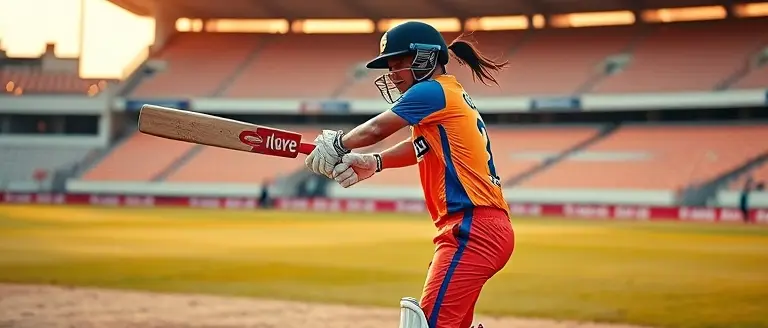
The June 8, 2026, India vs West Indies warm-up fixture served as a pivotal litmus test for both sides entering the ICC Women’s T20 World Cup. Beyond the standard scoreboard metrics, this indw vs wi-w clash provided coaching staffs with a crucial environment to experiment with squad rotations and tactical versatility. For India, the primary objective was stabilizing the top-order batting lineup, particularly testing the aggression of Shafali Verma and the finishing capability of Richa Ghosh under simulated high-pressure scenarios. By rotating their bowling attack, the Indian management sought to evaluate which seamers were most effective in adjusting to the pitch’s movement during the powerplay phases.
Strategic Objectives and Tactical Refinement
The West Indies women entered the contest with considerable momentum following their successful campaign in the 2026 Evara International Tri-Series. This warm-up match allowed them to validate their bowling depth against a high-caliber Indian batting unit. Analysts observing the fixture noted a distinct focus on defensive planning, with the Caribbean side experimenting with varying spin-bowling lines to counteract the middle-order strength of the Indian squad.
Key strategic takeaways from the warm-up included:
- Pitch Assessment: Both teams utilized the match to gather intelligence on surface behavior, specifically how early-match moisture affects ball movement and boundary scoring rates.
- Squad Versatility: By granting extended time to bench players, the coaching staffs assessed backup options, ensuring depth in the playing XI should injuries occur during the tournament group stages.
- Powerplay Efficiency: The emphasis was placed on maintaining high strike rates during the first six overs, a tactical requirement for navigating the upcoming tournament’s competitive group dynamics.
Ultimately, while the result of a warm-up is secondary to competitive preparation, the tactical adjustments displayed on June 8 offer a clear window into the tournament strategies both nations plan to deploy. The data gathered provides a foundation for high-intent analysis, confirming that both teams are prioritizing tactical flexibility to remain resilient against diverse playing conditions.
Top-Order Reliability: Evaluating India’s Batting Form

The India vs West Indies (IndW vs WI-W) warm-up fixture on June 8, 2026, served as a crucial barometer for India’s batting unit following the competitive Evara International Tri-Series. With the ICC Women’s T20 World Cup fast approaching, all eyes were on the explosive top-order pairing that defines India’s limited-overs philosophy. Evidence suggests that the team’s success in the upcoming group stages hinges on the strike rate and tactical discipline of Shafali Verma and Richa Ghosh. During the Tri-Series, Verma displayed a refined approach to powerplay aggression, focusing on stabilizing the initial overs while maintaining a high strike rate that allows the middle order to navigate the middle-phase slowdowns more effectively.
Tactical Performance Metrics
The recent warm-up provided an essential environment to test these players against the West Indies’ bowling depth. Analysts tracking the IndW vs WI-W contest noted several key trends in the Indian lineup:
- Powerplay Consistency: Shafali Verma’s ability to clear the infield within the first six overs remains the team’s primary engine, a factor that was heavily scrutinized after the Tri-Series.
- Middle-Order Resilience: Richa Ghosh has increasingly taken on the role of a finisher who can also stabilize a collapsing top order, offering a “safety net” should the openers fall early.
- Strike Rate Optimization: The coaching staff appears to be prioritizing a “positive intent” strategy, encouraging players to maintain a high tempo even against spinners, which is critical for posting totals exceeding 160.
This data-driven approach highlights that India’s World Cup campaign depends heavily on the top four setting a foundation. If these players can replicate their high-impact performances from the Tri-Series throughout the tournament, India will possess one of the most feared batting lineups in the ICC Women’s T20 World Cup, providing the consistency required to navigate pressure-cooker situations in the knockout stages.
Strategic Depth: The West Indies Bowling Blueprint

Coming off their dominant run in the 2026 Evara International Tri-Series, the West Indies women entered the June 8 warm-up against India with a clearly defined bowling identity. Their performance during the IndW vs WI-W fixture showcased a tactical versatility that could prove troublesome for top-tier opponents throughout the ICC Women’s T20 World Cup. By prioritizing a mix of deceptive slower balls and disciplined spin, the West Indies attack demonstrated an advanced ability to manipulate pitch conditions rather than relying solely on raw pace.
Key Tactical Observations from the Warm-Up
The West Indies’ ability to throttle scoring rates was the standout feature of their defensive strategy. Analysts noted that their bowling unit focuses on:
- Variability in Pace: By frequently shifting between cutters and back-of-the-hand slower deliveries, their frontline bowlers disrupted the rhythm of Indian top-order hitters, including Shafali Verma and Richa Ghosh.
- Spin Containment: The deployment of finger-spinners in the middle overs created a “pressure cooker” environment, forcing opposition batters to take high-risk shots that often led to fielding opportunities.
- Death Over Discipline: Evidence suggests that the West Indies have significantly improved their execution of yorkers, a critical component for limiting late-innings surges in the World Cup group stages.
This depth is not merely a collection of individual talent but a calculated blueprint designed to exploit the weaknesses of technically proficient batting sides. By cycling through different bowling profiles, the West Indies force batters to constantly adjust their footwork and intent. As the World Cup progresses, this strategic flexibility positions them as a formidable threat, capable of defending modest totals by suffocating the run rate and baiting batters into costly errors under pressure.
Insider’s Guide: What the Warm-Up Tells Us About the World Cup

The June 8, 2026, India vs West Indies warm-up clash provided more than just a dress rehearsal; it served as a tactical blueprint for the ICC Women’s T20 World Cup 2026. By analyzing the IndW vs WI-W encounter, it becomes clear that both teams are fine-tuning specific units to handle the pressure of the group stages. India’s aggressive top-order batting approach—anchored by the likes of Shafali Verma—suggests a high-intent strategy designed to exploit powerplay conditions early. Conversely, the West Indies displayed a sophisticated bowling versatility that emphasizes disciplined spin and tactical pace variations, a direct response to their successful campaign in the 2026 Evara International Tri-Series.
Strategic Implications for the World Cup
The data gathered from this fixture highlights several critical trends for fans and analysts to track as the tournament progresses:
- India’s Powerplay Efficiency: Evidence suggests India is prioritizing a “clear the ropes” strategy early in the innings. If this aggressive intent continues, their matches will likely see high-scoring starts, though it risks volatility against disciplined bowling attacks.
- West Indies’ Bowling Depth: Following their momentum from the Tri-Series, the West Indies have showcased an ability to stifle run-scoring in the middle overs. Their readiness to utilize diverse bowling options indicates they are preparing for varied pitch conditions throughout the World Cup.
- Middle-Order Reliability: The inclusion and performance of players like Richa Ghosh remain pivotal. Her ability to finish the innings provides the necessary insurance for India’s high-risk top-order approach.
For those following the tournament, look for how these specific tactical alignments—India’s batting power versus the West Indies’ bowling intelligence—hold up against other tournament favorites. As the official group stages commence, the adaptability demonstrated in this warm-up match will likely determine which teams advance to the knockout rounds. This “insider” view into their tactical evolution confirms that both sides are not merely participating but are positioning themselves as serious contenders for the title.
Mastering the World Cup Through Cognitive Precision
The lessons from the India vs. West Indies warm-up match provide a critical blueprint for the challenges that lie ahead in the T20 World Cup. By analyzing the nuanced performances of key players and the strategic depth of the bowling attacks, we move beyond surface-level reporting to gain a genuine, insider understanding of each team’s potential trajectory. This level of tactical foresight is exactly what separates the casual observer from the expert analyst.
Just as the players on the field require unwavering tactical focus to execute under pressure, you need that same mental sharpness to fully absorb and synthesize these complex performance metrics. This is where The Brain Song becomes an indispensable asset for your World Cup preparations. By sharpening your cognitive processing and enhancing your ability to maintain intense focus, this tool allows you to deconstruct tactical patterns that others might miss, giving you a distinct analytical edge throughout the tournament.
Integrate this mental performance accelerator into your routine to ensure you are operating at peak clarity while you track every turn of the World Cup. It is time to transform your viewing experience from passive consumption into an elite-level analytical endeavor.
 Elevate your tactical analysis and sharpen your focus for the ICC Women’s T20 World Cup with the 12-minute Brain Song routine.Sharpen My Analytical Edge Today!