

On June 6, 2026, the trans-Pacific aviation landscape shifted as Delta Air Lines officially resumed nonstop service between Los Angeles (LAX) and Hong Kong (HKG). After a hiatus spanning nearly eight years, this daily connection, operated by the cutting-edge Airbus A350-900, signals more than just a route expansion—it represents a deliberate, strategic push to reclaim dominance in a competitive Asian market. For the corporate traveler, this service offers a vital new link, but it also brings the familiar, grueling reality of ultra-long-haul transit.
As the demand for U.S.–China air connectivity recovers, executives are scrutinizing more than just flight frequency; they are assessing the quality of the onboard experience. With Delta positioning the A350-900 as the backbone of this strategy, business travelers are finding themselves at the intersection of infrastructure and fatigue. Understanding how to leverage these long hours in the air is now a critical component of the modern executive’s business strategy, ensuring that the 15-hour journey becomes a period of recovery rather than a precursor to cognitive exhaustion.
Delta’s Return to Hong Kong: Strategic Resumption of the LAX-HKG Route
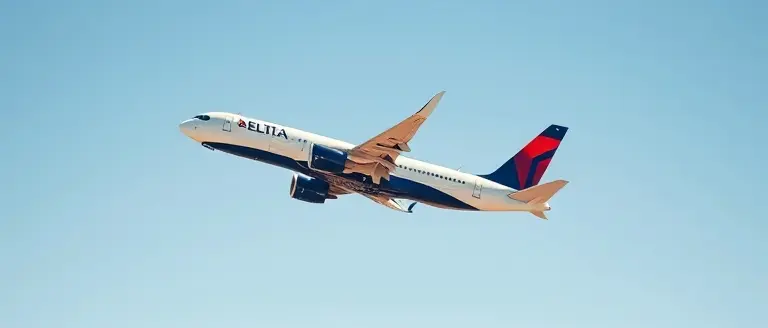
On June 6, 2026, Delta Air Lines officially restored its nonstop connection between Los Angeles International Airport (LAX) and Hong Kong International Airport (HKG), marking a pivotal moment in the carrier’s trans-Pacific expansion. This relaunch effectively ends a hiatus of approximately seven to eight years, signaling Delta’s renewed commitment to one of Asia’s most critical financial hubs. By re-establishing this route with a daily nonstop frequency, Delta is positioning itself to capture recovering demand from both corporate travelers and global logistics networks that rely on consistent trans-Pacific capacity.
Strategic Market Positioning
The decision to reintroduce the LAX-HKG corridor is widely interpreted by industry analysts as a calculated move to challenge competitors like United Airlines and reclaim market share in a region that has faced slow, steady recovery following the pandemic. Despite ongoing geopolitical complexities influencing U.S.–China air travel, Delta’s move suggests confidence in the long-term viability of the Hong Kong gateway.
Leveraging Modern Fleet Efficiency
The route is currently operated by the Airbus A350-900, an aircraft specifically selected to optimize performance for ultra-long-haul flights. The choice of the A350-900 underscores the airline’s focus on premium passenger comfort and operational fuel efficiency. Key aspects of this strategic resumption include:
- Daily Reliability: The daily service schedule provides the consistency required by business travelers who demand flexible, reliable, and high-frequency flight options.
- Operational Optimization: By deploying the flagship A350-900, Delta ensures a competitive edge in cabin amenities, cabin air quality, and noise reduction compared to older widebody jets.
- Rebuilding Connectivity: This route serves as a cornerstone of Delta’s broader effort to rebuild its trans-Pacific network, bridging the gap left during the airline’s long absence from the Hong Kong market.
Evidence suggests that this move is a strategic “win” for frequent flyers, providing essential connectivity that reflects a broader trend of normalizing air travel between the United States and major Asian economic centers.
Inside the A350-900 Experience: How Delta Compares to Trans-Pacific Competitors
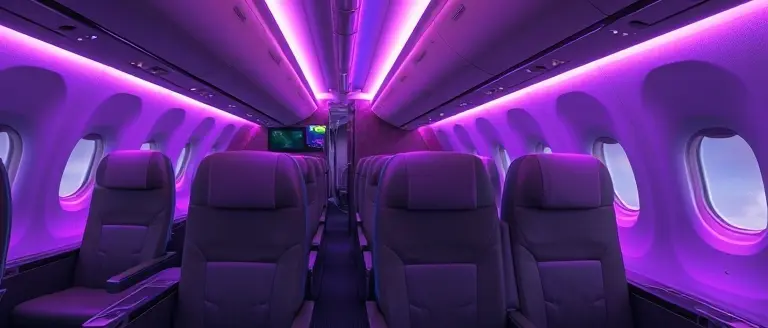
The return of Delta to the LAX HKG nonstop route brings a sophisticated cabin product designed specifically for the rigors of ultra-long-haul travel. By deploying the Airbus A350-900, Delta is positioning its flagship widebody to compete directly against United Airlines and other legacy carriers operating across the Pacific. The centerpiece of this offering is the Delta One suite, which provides business travelers with a sliding door for privacy, direct aisle access, and lie-flat seating that remains a gold standard for productivity and rest during the grueling 15-plus hour journey.
Comparing Premium Cabin Standards
When benchmarking against competitors, the A350-900 provides a quiet, pressurized cabin environment that noticeably reduces flight fatigue. While United Airlines has made significant strides with its Polaris product, Delta’s approach emphasizes consistency in service and inflight entertainment. Key differentiators for the delta experience on this route include:
- Delta One Suites: Full-height doors and customizable ambient lighting cater to the high expectations of corporate travelers.
- Premium Select: Delta’s premium economy offering provides additional legroom, adjustable footrests, and an elevated meal service that bridges the gap between coach and business class.
- Reliability: The daily frequency ensures that business travelers have flexible scheduling options, which is a significant advantage over carriers with reduced or seasonal trans-Pacific schedules.
Inflight Comfort and Connectivity
The A350-900 is engineered for long-range efficiency, but for the passenger, the benefits manifest as superior air quality and reduced cabin noise. The technological infrastructure on board is tailored for the modern professional, with high-speed Wi-Fi and ample power ports available at every seat. As geopolitical complexities continue to influence air travel logistics, Delta’s commitment to a daily nonstop service between Los Angeles and Hong Kong signals a robust effort to reclaim its footprint in the Asia-Pacific market. For travelers prioritizing comfort, sleep quality, and a reliable flight schedule, Delta’s current configuration on the A350-900 represents a formidable choice that directly challenges existing dominant players.
The Daily Advantage: Impacts on Trans-Pacific Business Travel

The resumption of Delta nonstop service between LAX and HKG represents a pivotal shift for corporate entities navigating the complexities of post-pandemic trans-Pacific commerce. By committing to a daily frequency using the Airbus A350-900, Delta provides the consistency required for high-stakes business operations. For corporate travelers, this daily cadence eliminates the “schedule anxiety” often associated with limited-frequency routes, allowing for more flexible boardroom planning and rapid response to market fluctuations between the U.S. West Coast and the Asian financial hub.
Strategic Benefits for Corporate Planning
The reliability of a daily flight schedule is a critical asset for supply chain managers and international executives who require seamless connectivity. When business objectives necessitate travel between LAX and HKG, having a daily window ensures that even if a meeting runs over or a connection is missed, a recovery option is available within 24 hours. Key strategic impacts include:
- Enhanced Operational Agility: Daily availability allows for “just-in-time” travel planning, reducing downtime for high-value personnel.
- Supply Chain Logistics: Consistent air bridge connectivity facilitates smoother coordination for time-sensitive cargo and professional services.
- Competitive Reliability: By benchmarking against existing carriers, Delta’s stable daily offering positions it as a preferred choice for corporate travel contracts that prioritize punctuality and product quality.
- Reduced Friction: Fewer layover requirements—made possible by this direct route—lower the risk of baggage mishandling and travel fatigue, directly impacting traveler productivity.
As Delta strengthens its presence in the Asia-Pacific theater, this nonstop route serves as a cornerstone for rebuilding the travel networks that underpin U.S.–China economic ties. For the business traveler, the combination of the A350-900’s cabin comfort and the predictability of a daily schedule creates a robust framework for sustained growth and connectivity in an increasingly complex global landscape.
Connectivity Recovery: A New Era for US-Asia Air Travel

The relaunch of Delta nonstop service between LAX and HKG represents more than just an operational expansion; it serves as a critical bellwether for the stabilization of trans-Pacific trade and travel corridors. Following a hiatus of nearly eight years, this daily route—serviced by the state-of-the-art Airbus A350-900—signals that carriers are finally pivoting toward long-term recovery in the Asia-Pacific theater. As geopolitical tensions continue to reshape international aviation, the restoration of these high-capacity, ultra-long-haul links is essential for the normalization of business relations and global supply chain fluidity.
Strategic Implications for Trans-Pacific Travel
The return of this route highlights a shifting strategy among major US airlines. By committing to a daily frequency, Delta is signaling strong confidence in demand from corporate travelers and high-net-worth commuters. This move is a direct competitive response aimed at reclaiming market share from entrenched incumbents. For stakeholders and analysts, the move offers several key insights:
- Stabilization of Hub Connectivity: Restoring direct flights from Los Angeles to Hong Kong strengthens the critical bridge between Western North American markets and Asian financial centers.
- Asset Efficiency: Utilizing the A350-900 demonstrates a focus on passenger comfort and fuel efficiency, essential components for maintaining profitability on long-haul sectors.
- Geopolitical Resilience: Evidence suggests that while the recovery of trans-Pacific networks has been gradual, the commitment of major carriers to key hubs is an indicator of broader systemic improvement in international connectivity.
Ultimately, the revitalization of the delta lax hkg nonstop corridor provides a template for how airlines are navigating the complex intersection of market demand and regulatory challenges. This era of “connectivity recovery” is characterized by a more cautious, data-driven approach to route planning, ensuring that as networks expand, they remain robust enough to withstand the volatility inherent in today’s global aviation landscape.
Arriving at Peak Performance: The Executive Edge
As Delta reclaims its foothold in the trans-Pacific market with its daily LAX-HKG service, the choice of carrier becomes a strategic business decision. While the Airbus A350-900 provides an industry-leading cabin environment, the true challenge remains physiological: navigating the intense cognitive fatigue of a 15-hour flight to arrive ready for high-stakes negotiations in Hong Kong.
This is where the distinction between a comfortable flight and a productive one is made. To reach your destination with absolute mental clarity, you must manage the sensory and atmospheric stressors that impact your performance. Audifort is the essential executive travel hack, engineered to shield you from the auditory strain and environmental exhaustion inherent in ultra-long-haul travel.
By integrating this science-backed solution into your travel routine, you move beyond mere transport and into active performance management. Don’t let cabin pressure dictate your arrival state; take control of your well-being so you can land sharp, refreshed, and ready to lead from the moment the aircraft doors open. Elevate your corporate travel strategy by investing in the cognitive tools that ensure your success abroad.
 Optimize your next trans-Pacific transit: Explore how Audifort supports your cognitive focus and travel wellness here.Secure My Cognitive Edge Today!