

The wait is finally nearing its end. As of June 1, 2026, the global excitement for the FIFA World Cup is hitting a fever pitch, with the opening match set to kick off on June 11. This isn’t just another tournament; it is the most ambitious iteration in history, featuring an unprecedented 48 teams and a grueling 104-match schedule hosted across the United States, Canada, and Mexico. For fans, this means an absolute avalanche of data—from complex group-stage paths to shifting kickoff times across multiple North American time zones.
Whether you are a die-hard soccer aficionado or a new fan getting swept up in the historic scale of the event, staying ahead of the game is essential. With so much action unfolding simultaneously, how you manage your focus and information flow will define your viewing experience. We have developed this master guide to help you navigate the 48-team bracket and simplify your tournament journey, ensuring you never miss a pivotal tactical shift or a legendary goal during this historic month of soccer.
The Countdown to History: FIFA World Cup 2026 Preview

The FIFA World Cup 2026 is officially poised to shatter every record in the history of international sports. As we approach the highly anticipated opening match on June 11, 2026, the atmosphere across North America is reaching a fever pitch. This tournament marks a historic milestone as the first to expand to a massive 48-team format, fundamentally changing the competitive landscape. With a total of 104 matches spread across three host nations—the United States, Canada, and Mexico—the logistics of this global event are as unprecedented as its scale. For fans wondering when does the World Cup start, the answer is just around the corner, marking the beginning of over a month of non-stop action that will culminate in the final on July 19.
A New Era of Competition
The move to 48 teams has introduced a complex, high-stakes group stage that demands careful navigation for both teams and spectators. The expansion allows for greater global representation, ensuring that the World Cup schedule 2026 is busier than ever. With more matches than any previous edition, keeping track of the World Cup groups is essential for any fan planning their viewing experience.
Key elements of the 2026 tournament structure include:
- Host Collaboration: Matches will be held across iconic stadiums in North America, requiring fans to pay close attention to local World Cup 2026 stream schedule variations based on time zones.
- Expanded Bracket: The increased number of teams means more knockout stages, providing more opportunities for underdog narratives and intense rivalry matchups.
- Fan Engagement: As the countdown continues, media outlets are shifting from general “when does World Cup start” inquiries toward specific, actionable advice on how to navigate the massive schedule.
Whether you are a seasoned soccer enthusiast or a new fan caught up in the excitement, understanding this expanded format is vital. By leveraging localized viewing guides and bracket trackers, you can ensure you do not miss a single moment of this historic tournament.
Master Viewing Cheat Sheet: Stream and Schedule
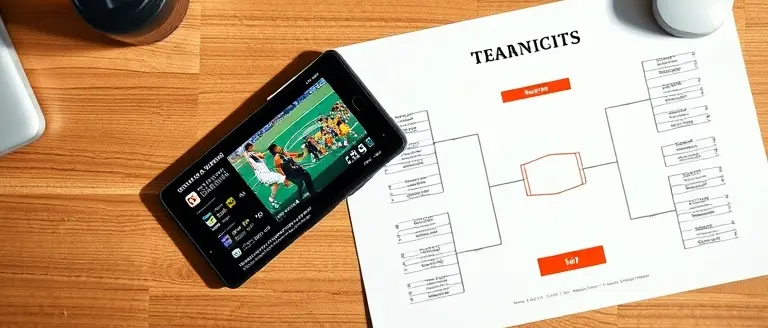
Navigating the massive FIFA World Cup schedule for 2026 can be daunting, especially with an unprecedented 104 matches spread across three host nations. To ensure you don’t miss a moment, our World Cup 2026 stream schedule is tailored specifically for United States time zones, helping you track every kick-off from the Eastern to the Pacific coast. The tournament officially commences on June 11, 2026, and spans through July 19, requiring fans to manage a complex slate of matches featuring 48 international teams.
Where to Stream and Watch in the US
For domestic viewers, the rights to broadcast these matches are split across major networks and dedicated streaming platforms. To keep your viewing experience seamless, consider these primary access points:
- English Language: Major matches are anchored by FOX and FS1, with digital streaming available via the FOX Sports app.
- Spanish Language: Telemundo and Universo provide extensive coverage, with high-quality streaming available on Peacock.
- Time Zone Coordination: Because match times are dictated by the host city’s local time, we recommend syncing your digital calendar with the official FIFA match center, which automatically adjusts start times to your device’s local settings.
Planning Your Tournament Journey
With the expanded 48-team format, keeping track of the group stages is essential for casual and die-hard fans alike. We have curated a high-utility World Cup 2026 bracket printable to help you follow the progression from the initial groups to the high-stakes knockout rounds. Having a physical or digital visual aid is the most effective way to manage the sheer volume of games.
Whether you are looking for a specific World Cup 2026 stream schedule for your region or trying to map out the path of your favorite team, preparation is key. Use our downloadable bracket tool to stay ahead of the curve as the world turns its eyes to the biggest sporting event on the planet.
Group Stage Survival Guide: Key Storylines to Follow

With 48 teams competing across 104 matches, the FIFA World Cup 2026 presents a massive logistical and tactical challenge, even for the most seasoned spectators. As the tournament kicks off on June 11, casual fans might feel overwhelmed by the sheer scale of the expanded format. To simplify your viewing experience, we have curated the most compelling narratives that define the group stage. This edition introduces a refined structure where the top teams from each group, along with the best third-place finishers, progress to the knockout stages, ensuring that every single match—even in the early rounds—retains high-stakes intensity.
Essential Storylines and Must-Watch Dynamics
To navigate the group stage effectively, focus on these emerging narratives that highlight the talent depth of this expanded field:
- The Rise of Emerging Nations: With more slots available, countries making their first appearances or returning after long absences are eager to prove their mettle. Keep a close watch on these squads, as they often bring an unpredictable, high-energy style of play that can easily disrupt the traditional favorites.
- The “Group of Death” Intensity: Monitor the groupings where two perennial powerhouses collide early. These matchups are vital for determining seeding and often showcase the highest level of tactical discipline in the entire tournament.
- Individual Brilliance: The World Cup remains the ultimate stage for global icons to cement their legacies. From established veterans seeking a final title to young prodigies making their international breakout, watching how these individual stars influence their team’s chemistry is key to understanding the tournament’s flow.
- Regional Rivalries: Due to the tournament being hosted across North America, certain groups may feature localized rivalries that draw massive crowds and amplified media attention. These matches are essential viewing for fans looking to experience the tournament’s unique atmosphere and cultural impact.
Whether you are tracking the world cup groups for fantasy league purposes or simply tuning in for the spectacle, focusing on these narratives will help you stay engaged throughout the opening phase. Remember that the tournament structure is designed to reward tactical versatility, making the group stage a masterclass in modern international soccer. Stay tuned to the official world cup schedule 2026 to ensure you do not miss the high-stakes openers that set the tone for the entire competition.
Understanding the New 48-Team Format
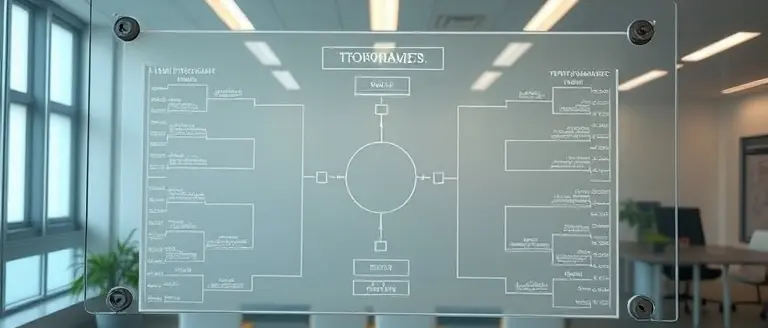
The FIFA World Cup 2026 marks a historic evolution in international soccer, expanding from the traditional 32-team format to a massive 48-team tournament. With 104 matches scheduled across the United States, Canada, and Mexico, this expansion significantly alters how fans track their favorite teams. To manage this influx of talent, the tournament organizers have introduced a structure designed to maintain competitive intensity while accommodating the larger field of participants.
Navigating the Expanded Group Stage
Under the new format, the 48 teams are divided into 12 groups of four. Every team is guaranteed to play three matches during the group stage. The progression system is as follows:
- Top Finishers: The top two teams from each of the 12 groups will automatically qualify for the knockout phase.
- The Best Third-Place Teams: To fill out the bracket, the eight best third-place finishers will also advance to the Round of 32.
- Elimination: Following the group stage, the tournament shifts to a straight knockout bracket where a single loss results in elimination.
Clarifying the Knockout Progression
Many fans often ask when does the World Cup start and how the bracket works once the group stage concludes. Because of the 48-team entry, the addition of a “Round of 32” is the most notable change for viewers used to the old Round of 16 format. This extra layer ensures that teams must maintain peak performance over a longer period to secure the title. As you follow the world cup schedule 2026, keep in mind that this expanded bracket increases the total number of matches, providing more opportunities for underdog nations to make deep runs. Whether you are a seasoned soccer enthusiast or a casual observer, understanding this progression is key to filling out your own world cup groups predictions and following the path to the championship final.
Master the Tournament with Unrivaled Mental Clarity
As we approach the opening whistle, it is clear that the 2026 World Cup is more than a sporting event; it is a marathon of strategic information. With 104 matches and 48 teams to keep track of, maintaining your mental edge is just as important as having the right schedule in your pocket. You don’t want to fall victim to the inevitable cognitive fatigue that comes from trying to juggle intense group-stage storylines, bracket analysis, and real-time schedule updates simultaneously.
To truly enjoy this tournament, you need more than just a list of games; you need to optimize your mind for the intensity of the world’s biggest stage. This is why we recommend The Brain Song, a neuroscience-based cognitive accelerator designed to cut through the noise. By integrating this 12-minute daily audio routine into your tournament prep, you will enhance your focus and mental clarity, ensuring that your brain is primed to capture every tactical detail and highlight of the group stage without feeling overwhelmed.
Don’t let the complexity of the expanded bracket blur your experience. Position yourself as the sharpest fan in the room by fortifying your cognitive endurance before the first match begins. Take the leap today and ensure your mind is as prepared as the athletes on the field.
 Sharpen your focus for every match—start your 12-minute daily audio routine before kickoff.Yes, I Want to Sharpen My Focus Now!