
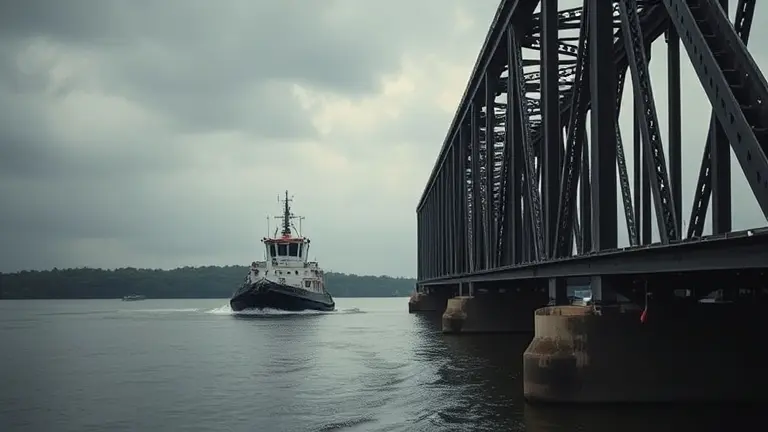
On Saturday, June 6, 2026, the silence over the Susquehanna River was shattered as a tugboat struck the historic railroad bridge near Havre de Grace, Maryland. At approximately 2:40 p.m., the impact reverberated through the Northeast Corridor, triggering an immediate suspension of rail traffic and renewing an urgent, high-stakes debate regarding the structural integrity of our aging national infrastructure. As inspectors scramble to assess the damage, the incident has thrust the long-contentious Amtrak bridge replacement project back into the center of the public spotlight.
This event is more than a mere nautical mishap; it is a catalyst for questioning the systemic readiness and design adequacy of our most vital transport arteries. While authorities evaluate whether the bridge can safely sustain its heavy load, local stakeholders and engineers are highlighting a deeper problem: the disconnect between modern vessel clearance needs and the archaic blueprints of our past. For the region, this collision serves as a wake-up call, proving that even a single failure in planning can lead to paralysis in the heart of the American economy.
Incident Overview: The Susquehanna River Rail Bridge Collision
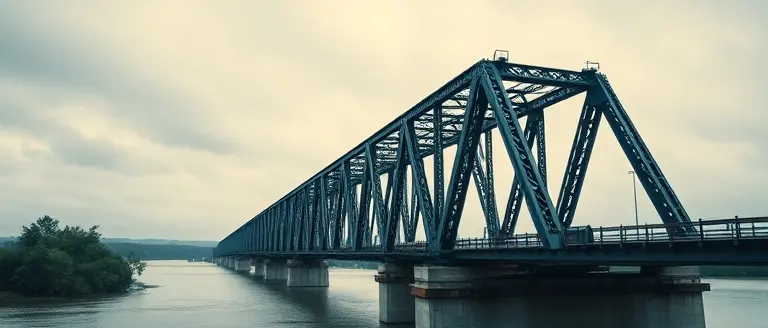
On Saturday, June 6, 2026, at approximately 2:40 p.m., a routine transit along the Susquehanna River turned into a significant infrastructure alert when a barge struck the railroad bridge located near Havre de Grace, Maryland. This crossing is a critical component of the Amtrak Northeast Corridor, serving as a vital link for rail travel between major East Coast hubs. Following the collision, authorities moved quickly to initiate safety protocols, resulting in an immediate, mandatory suspension of rail traffic across the span. The incident highlights ongoing vulnerabilities regarding maritime navigation near aging rail infrastructure, drawing renewed attention to the structural integrity of this specific crossing.
Immediate Operational Impact and Safety Response
In the immediate aftermath of the tugboat hits maryland train bridge event, Amtrak and regional transportation authorities mobilized emergency engineering teams to evaluate the bridge’s stability. The decision to halt rail operations was deemed necessary to prevent potential catastrophic failure and ensure passenger safety while detailed inspections were performed. Key developments during the initial response included:
- Service Disruptions: Passengers traveling along the Northeast Corridor faced significant delays, with average wait times extending to approximately two hours as trains were held or rerouted.
- Structural Assessment: Amtrak dispatchers confirmed that specialized inspectors were deployed to check for compromised pilings, spans, and alignment shifts caused by the impact force.
- Safety Precaution: The proactive suspension reflects a heightened state of caution following recent high-profile bridge incidents in the United States, forcing a re-evaluation of how maritime traffic interacts with legacy rail assets.
While preliminary reports indicate that the Susquehanna bridge safety remains under careful monitoring, the event has reignited public discourse regarding the long-term viability of the current structure. As the investigation continues, federal and local officials are under pressure to reconcile the need for continued rail transit with the immediate hazards posed by maritime traffic in the Harford and Baltimore county regions. Ongoing inspections are the primary priority before normal service schedules can be fully restored to the corridor.
Structural Integrity and the State of the Susquehanna Span

The June 6, 2026, collision serves as an unplanned stress test for the aging Susquehanna River rail infrastructure, a critical artery within the Northeast Corridor. While authorities move to restore service following the incident where a tugboat hits Maryland train bridge, the event has reignited concerns regarding the long-term structural viability of this crossing. Engineers typically evaluate post-impact integrity by analyzing kinetic energy transfer to the piers and verifying the alignment of the track bed. Given the bridge’s historical age, even minor lateral forces can compromise the mechanical integrity of antiquated truss systems, necessitating rigorous ultrasound and geotechnical inspections to ensure the bridge can safely handle the heavy dynamic loads of daily Amtrak traffic.
Evaluating Infrastructure Resilience
The “temporary suspension” of rail traffic is a standard safety protocol, yet it highlights the fragile state of existing infrastructure in the Harford and Baltimore county regions. When assessing the impact on the Susquehanna bridge safety, engineers look for specific indicators of structural degradation:
- Pier Displacement: Checking for shifting at the base foundations submerged in the riverbed.
- Truss Deformation: Assessing the steel superstructure for stress fractures or buckling resulting from the barge impact.
- Track Alignment: Measuring rail curvature to ensure high-speed train safety remains within tolerance.
This incident acts as a catalyst for the ongoing Maryland bridge clearance debate. Because the bridge is a known bottleneck, the physical damage—however slight—places immense pressure on Amtrak to justify the modernization timeline. With federal scrutiny increasing regarding Amtrak Northeast Corridor impact, local stakeholders are questioning if current maintenance regimes are sufficient to withstand the increasing maritime traffic in the region. Evidence suggests that this event may accelerate the transition toward a full replacement project, as repeated minor incidents underscore the vulnerability of aging spans against modern commercial marine traffic.
The Maryland Bridge Clearance Debate and Replacement Plans
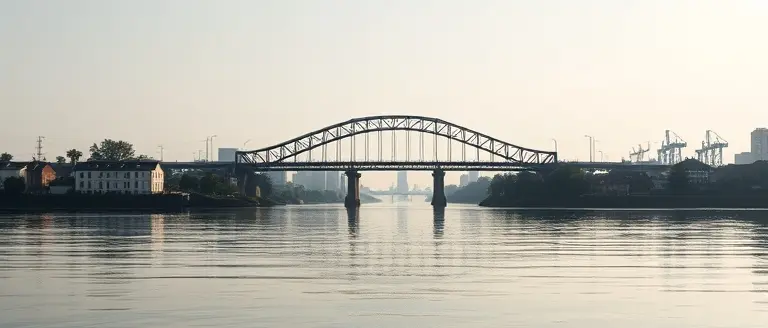
The June 6, 2026, incident in which a barge struck the railroad bridge over the Susquehanna River has reignited a contentious debate regarding the Amtrak Northeast Corridor bridge replacement project. For years, the aging structure near Havre de Grace has been the subject of intense scrutiny, pitting federal infrastructure modernization goals against local concerns about waterfront aesthetics and navigation safety. The primary point of friction involves the proposed vertical bridge clearance height. Proponents of the new, higher-span designs argue that increased clearance is essential to accommodate modern maritime vessels and prevent future incidents, while local stakeholders and preservationists have expressed concerns that high-profile structures could diminish the historic character of the Havre de Grace waterfront and increase construction costs significantly.
Infrastructure Modernization vs. Local Impact
The collision serves as a stark reminder of the systemic risks associated with maintaining century-old rail infrastructure. As authorities conduct their safety assessments, the debate over whether the current design specifications for the replacement project are sufficient has moved from local town halls to the national stage. Key arguments in this ongoing discourse include:
- Safety Thresholds: Critics of the existing bridge argue that the incident confirms current clearance levels are inadequate for modern tugboat and barge traffic navigating the Susquehanna River.
- Economic Consequences: Local business owners worry that a permanent shift toward larger, more industrial bridge designs could disrupt the tourism-dependent economy of the Harford and Baltimore county regions.
- Systemic Resilience: Transportation experts emphasize that any new project must account for both rail load-bearing requirements and riverine traffic flow to prevent recurring service disruptions on this critical Northeast Corridor artery.
Ultimately, this accident provides empirical urgency to the Maryland bridge clearance debate. Whether the incident triggers a design revision or accelerates the existing timeline for the bridge replacement remains a central question for federal regulators and regional planners alike. As data from the structural inspection is compiled, the balance between historical preservation and the demand for robust Susquehanna bridge safety will likely dictate the path forward for one of the most vital rail links in the United States.
Systemic Risks in the Northeast Corridor: A Comparative Analysis

The June 6, 2026, incident where a tugboat hits Maryland train bridge serves as a stark case study for the fragility of the Northeast Corridor (NEC), arguably the most vital rail artery in the United States. While the immediate structural evaluation of the Susquehanna River crossing focuses on safety, the broader implications reveal systemic vulnerabilities inherent in aging, century-old infrastructure. When a single rail bridge encounters an operational disruption, the effect is not merely local; it creates a cascading failure that echoes across the national supply chain and commuter transit networks, highlighting how interconnected and exposed these transit nodes truly are.
Assessing Vulnerability Across the NEC
The Havre de Grace event underscores a recurring reality: the NEC is a collection of critical bottlenecks where limited redundancy exists. When we compare this site to other high-traffic segments—such as the aging tunnels under the Hudson River or the various drawbridges across Connecticut—the risks become clear:
- Single-Point Failure Risk: Many NEC bridges lack redundant bypasses, meaning a minor collision can halt the entire corridor for thousands of commuters and freight operators.
- Infrastructure Age: Much of the steel and masonry supporting these river crossings predates modern clearance standards and traffic volume requirements, making them increasingly susceptible to maritime accidents.
- Economic Ripple Effects: A shutdown at a bridge like the Susquehanna causes significant delays that radiate from Boston to Washington, D.C., costing the economy millions in lost productivity and logistics bottlenecks.
These systemic risks necessitate a shift from reactive repairs to proactive modernization. The ongoing Maryland bridge clearance debate is not just about local aesthetics or bridge height; it is a vital conversation regarding national infrastructure resilience. If U.S. transit authorities fail to harmonize maritime navigation needs with modern rail engineering, incidents like this one will likely increase in frequency as the intersection of waterborne freight and rail transit grows more congested.
The Price of Imprecision: Lessons in Structural Integrity
The incident at the Susquehanna River bridge highlights a fundamental truth about infrastructure: design is only as reliable as its precision. Whether managing a massive, multi-billion dollar municipal project or executing a smaller build in your own workshop, the margin for error is razor-thin. When planning fails to account for real-world variables, the consequences range from project delays and structural vulnerability to systemic failure. True engineering-grade results demand more than ambition; they require a commitment to error-free, battle-tested blueprints that eliminate the guesswork long before the first piece is set in place.
This is where professional-grade planning changes everything. Just as we hold large-scale infrastructure to the highest standards of safety and clarity, your own projects deserve the same rigor. By utilizing comprehensive, technical design resources, you bypass the cycle of trial-and-error, ensuring that your work is backed by reliability and structural foresight. Achieving expert-level results isn’t about luck; it’s about using the right technical foundation to guarantee that your vision is built to last.
Ready to bring that level of architectural precision to your own work? We recommend equipping yourself with the ultimate professional design library, designed to provide the clarity and accuracy that every serious builder needs. By integrating these expert-grade plans into your process, you transform your approach from amateur uncertainty to professional confidence.
 Learn how to apply professional-grade precision to your own projects with 16,000 foolproof plans here.Transform My Projects Today!