
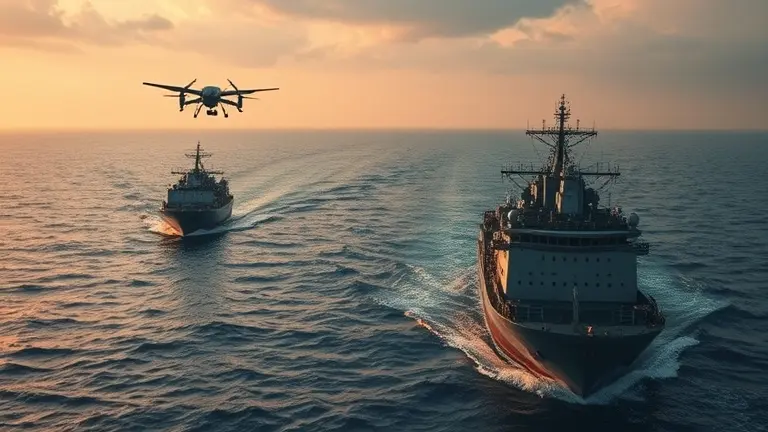
The Strait of Hormuz has transformed from a vital maritime artery into the world’s most volatile geopolitical bottleneck. As of June 2026, the ongoing military friction between the U.S. and Iran has effectively created a ‘near-blockade’ environment, forcing Central Command to initiate aggressive naval overwatch protocols to protect critical energy flows. With Iranian drones being intercepted daily and oil markets swinging wildly in response to these supply disruptions, global industries are no longer dealing with a short-term crisis; they are witnessing a fundamental shift in the stability of our international order.
For supply chain managers and industrial leaders, the reality is stark: reliance on fragile, long-distance global logistics is becoming an untenable risk. The current conflict serves as a sobering reminder that when external systems fail, the ability to pivot toward localized resilience is the only true competitive advantage remaining. While diplomatic efforts—such as recent talks involving regional mediators—strive for de-escalation, true market security requires moving beyond reactive anxiety and embracing a proactive framework for operational independence.
Current Status: The Strait of Hormuz in a State of Near-Blockade
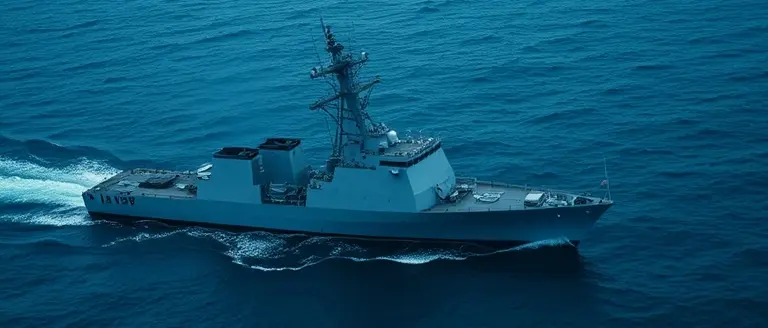
As of June 7, 2026, the Strait of Hormuz has entered a period of extreme volatility, currently characterized by a “near-blockade” rather than a total cessation of maritime traffic. This operational reality is defined by ongoing tactical engagements between Iranian forces and the United States. According to official statements from U.S. Central Command (CENTCOM), the region remains a high-threat environment where “naval overwatch” strategies are the primary defense against persistent maritime disruptions. Just today, U.S. forces successfully intercepted and neutralized two Iranian attack drones that posed an immediate threat to regional maritime traffic. These frequent defensive actions underscore the precarious nature of one of the world’s most critical oil chokepoints.
The Dynamics of Regional Escalation
The current conflict is marked by a breakdown in previous de-escalation agreements, with both Washington and Tehran accusing the other of repeated violations. This diplomatic stalemate has forced a shift in the global energy outlook, prompting OPEC+ to implement a fourth round of oil quota hikes in a desperate bid to stabilize supply chains crippled by the heightened military presence. To address this mounting pressure, international efforts are intensifying:
- Diplomatic Mediation: Pakistan’s interior minister has arrived in Tehran to initiate high-level negotiations, aiming to secure a formal ceasefire.
- Operational Security: CENTCOM continues to maintain a defensive posture, prioritizing the protection of commercial vessels while navigating the complexities of asymmetric warfare.
- Economic Impact: The persistent threat of total closure continues to drive market anxiety, as the “near-blockade” forces shippers to account for increased insurance premiums and altered navigational routes.
While daily reports focus on tactical skirmishes, the broader reality is that the Strait of Hormuz is now functioning under a militarized status quo. Experts are closely monitoring the effectiveness of external mediators like Pakistan, as the global market seeks a return to predictable trade flow amidst this ongoing geopolitical instability.
Strategic Importance: Why the Strait Remains the World’s Economic Chokepoint

The Strait of Hormuz serves as the primary artery for global energy, acting as the narrow gateway between the Persian Gulf and the Gulf of Oman. At its narrowest point, this critical chokepoint is only 21 miles wide, yet it facilitates the transit of approximately 20% to 30% of the world’s total daily oil consumption. For global energy markets, there is no viable large-scale alternative to this passage, which is why any disruption—such as the current military escalation—sends immediate shockwaves through the global supply chain. When Iranian forces threaten maritime traffic, the resulting “near-blockade” environment fundamentally alters how international shipping lanes operate, shifting the region from a commercial hub to a high-risk combat zone.
Understanding the Economic Risk Profile
Under peacetime conditions, the Strait functions with predictable, albeit high-volume, efficiency. However, the current “naval overwatch” strategy employed by the U.S. Central Command and the persistent threat of Iranian attack drones have forced a paradigm shift in how insurance, logistics, and governments view regional stability. The economic necessity of the Strait is defined by several key factors:
- Geographic Dependency: Most major oil exporters in the Middle East—including Saudi Arabia, Iraq, and the UAE—rely almost exclusively on this route to export crude to Asian and Western markets.
- Infrastructure Sensitivity: Because tankers carry massive volumes of volatile cargo, even a minor kinetic engagement or the threat of a drone strike creates an immediate “war risk” premium on shipping insurance, driving up the final cost of oil and gas regardless of the actual supply volume.
- Supply Chain Fragility: Global markets are highly sensitive to “just-in-time” energy arrivals. The forced reliance on OPEC+ quota hikes is an attempt to mask these logistical delays, but the structural dependency on the Strait remains the underlying vulnerability of the global economy.
By transforming a routine shipping lane into a militarized theater, the current conflict has exposed how quickly the global economy can be destabilized when access to this narrow passage is contested. As diplomatic efforts led by mediators like Pakistan attempt to lower the temperature, the reality remains that the economic health of the U.S. and its global partners is inextricably linked to the safety of these waters.
Industrial Ripple Effects: How the ‘Reverse Blockade’ Impacts U.S. Sectors
The ongoing militarization of the Strait of Hormuz has transcended immediate energy sector volatility, triggering a fundamental transformation in U.S. industrial supply chains. As the current “near-blockade” environment restricts the flow of critical petroleum-based feedstocks, U.S. manufacturing hubs are facing a dual crisis of inflated production costs and material scarcity. Petrochemical inputs—essential for the production of plastics, synthetic rubber, and specialty chemicals—are seeing unpredictable lead times, forcing downstream industries to pivot away from traditional lean manufacturing models.
From Just-in-Time to Just-in-Case
Industry analysts observe that the volatility in the Strait of Hormuz is accelerating a definitive shift in inventory philosophy. The “just-in-time” (JIT) manufacturing strategy, which long prioritized efficiency and minimal holding costs, is being rapidly abandoned in favor of “just-in-case” (JIC) inventory management. This defensive posture is designed to protect industrial output against sudden disruptions in global shipping lanes. Key implications for U.S. sectors include:
- Logistical Reconfiguration: Manufacturers are increasing domestic safety stocks of polymers and chemical precursors to buffer against potential extended closures.
- Capital Allocation Shifts: Companies are diverting capital from long-term R&D toward securing reliable, albeit more expensive, regional and domestic supply sources.
- Pricing Pressures: With transport insurance premiums rising due to regional insecurity, businesses are struggling to absorb the compounding cost of raw materials and freight.
These systemic changes suggest that U.S. industrial resilience is being tested in ways not seen in recent decades. As U.S. Central Command maintains its naval overwatch strategy, American firms are increasingly planning for a future where geopolitical friction remains a permanent feature of the trade landscape. The ability of the manufacturing sector to maintain operational continuity hinges on this transition toward hardened, geographically diversified supply chains that can withstand sustained instability in vital maritime chokepoints.
OPEC+ and the Wartime Economy: Shifting Roles in Energy Security
The current conflict surrounding the Strait of Hormuz has forced OPEC+ into a reactive, high-stakes position that departs significantly from its traditional role of moderate market-price regulation. As of June 2026, the organization is navigating a volatile “near-blockade” environment, moving away from long-term production forecasting to a strategy centered on immediate damage control. The implementation of four consecutive oil quota hikes underscores a desperate attempt to create a floor for global market volatility, as supply chains remain tethered to the geopolitical instability of this critical maritime chokepoint. By increasing production quotas, OPEC+ is effectively signaling to global markets that it recognizes the Strait of Hormuz as a severely compromised artery, requiring unprecedented supply injections to prevent a catastrophic energy price spike.
Balancing Market Stability Amid Kinetic Conflict
The logic behind these recurring hikes is rooted in the necessity of maintaining buyer confidence while the U.S. and Iran remain locked in a cycle of defensive naval engagements. This wartime economy presents a two-fold challenge for OPEC+ members:
- Supply Chain Resilience: Each hike acts as a buffer against the physical risks posed by the ongoing military presence, ensuring that even if certain tanker routes are intermittently obstructed, global inventory remains sufficiently liquid.
- Geopolitical De-escalation: By aggressively managing the supply side, OPEC+ attempts to reduce the “war premium” currently inflating crude prices, thereby mitigating the economic incentive for further regional escalation.
Evidence suggests that OPEC+ is attempting to function as a stabilizer in a theater where traditional diplomacy—currently spearheaded by efforts like the intervention of Pakistan—has yet to yield a concrete ceasefire. However, the organization faces diminishing returns; as the Strait of Hormuz continues to function under a state of “naval overwatch,” market participants are increasingly looking beyond production quotas toward the long-term, structural viability of alternative transit routes and the permanence of current maritime security measures.
Building Resilience in an Era of Uncertainty
As the geopolitical situation in the Strait of Hormuz reminds us, relying on external supply chains during moments of global instability is a strategy built on shifting sands. The path forward for businesses and individuals alike is not to wait for the volatility to subside, but to master the tools of physical production and autonomy. Just as industrial planners are now redesigning their logistics with verified, precision-based blueprints to survive the ‘near-blockade’ era, you too can hedge against market unpredictability by mastering the craft of reliable construction.
Ted’s Woodworking serves as the ultimate resilience tool for those who refuse to be sidelined by external disruptions. Providing a comprehensive, professional-grade master library, this resource eliminates the trial-and-error that often plagues DIY projects, offering the same level of structured certainty that modern engineers demand. It is the perfect logical step for anyone seeking to reclaim their independence and build tangible value when global supply chains falter.
By choosing to master these skills, you are doing more than learning a craft; you are creating a foundation of self-reliance that no geopolitical conflict can disrupt. Take control of your output and ensure that your next project is completed with absolute, technical precision.
 Build your own path to self-reliance; access the complete library of verified professional plans today.Yes, I Want This Now!