
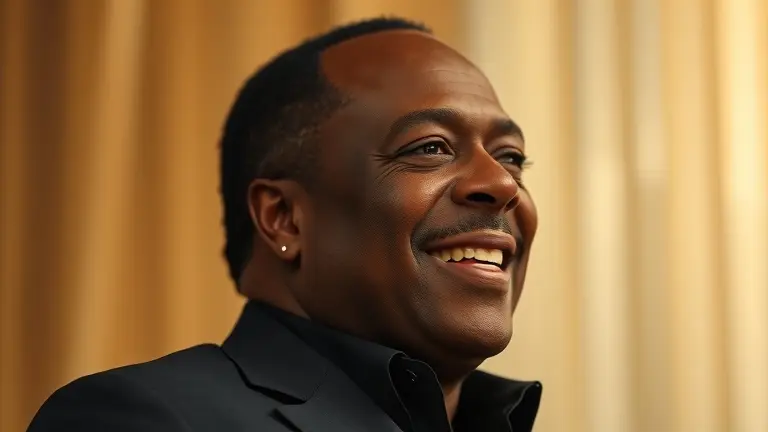
The music world mourns the loss of a true titan, as the passing of Peabo Bryson at age 75 signals the end of an incomparable chapter in R&B and soul history. Known universally as the “voice of love,” Bryson’s ability to bridge the gap between soulful authenticity and mainstream pop grandeur defined the soundscape of the 1990s. From his iconic, chart-topping duets on Disney’s Beauty and the Beast and Aladdin to his deeply personal ballads that became the backbone of the “quiet storm” radio format, he possessed an uncanny, almost ethereal, gift for vocal storytelling.
Beyond the surface of his massive hits, Bryson was a technician of the heart, utilizing a rare blend of warmth, range, and precise inflection that set the gold standard for contemporary soul. As we pay tribute to this legendary artist, it is essential to look deeper than the headlines surrounding his recent passing after suffering a stroke. We invite you to explore the artistry behind his most enduring tracks, analyze the vocal techniques that shaped an era, and rediscover why his voice—a definitive instrument of grace—will continue to resonate for generations to come.
Remembering Peabo Bryson: The Legacy of the Voice of Love
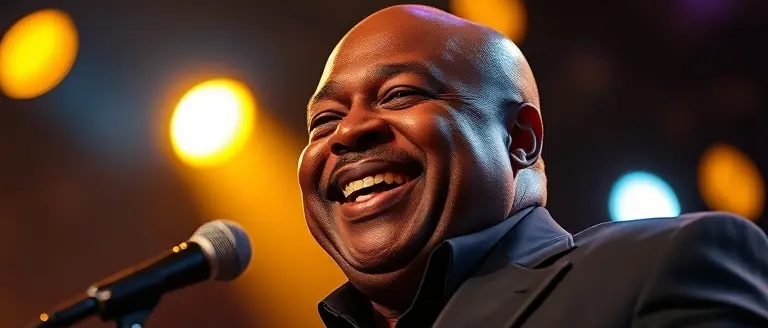
The music world is in mourning following the passing of legendary R&B singer Peabo Bryson, who died on June 2, 2026, at the age of 75. Widely celebrated as the definitive “Voice of Love,” Bryson’s transition has sparked an outpouring of global tributes, honoring a career that bridged the gap between soul, jazz, and pop. While reports indicate that he suffered a stroke before his passing, the focus of the public and his peers remains firmly on his incomparable artistic contributions and the enduring warmth he brought to the industry for over five decades.
Bryson’s influence on the landscape of popular music is perhaps most visible in his dominance of the power ballad, particularly through his iconic Disney duets. His ability to convey profound emotion made him a staple of 1990s cinema, forever linking his voice to the magic of soundtracks that defined a generation. His collaborative spirit was not just a commercial strategy but a hallmark of his technical brilliance and stage presence.
A Lasting Cultural Footprint
To understand the magnitude of his loss, one must look beyond the charts and into the soul of his discography. His legacy is defined by several pillars that cemented his status as an R&B icon:
- The Disney Era: His legendary performances on Beauty and the Beast with Celine Dion and “A Whole New World” with Regina Belle remain the gold standard for movie theme songs.
- The Quiet Storm: Bryson was a master of the “quiet storm” radio format, providing a romantic, melodic anchor for contemporary R&B during its transition into the mainstream.
- Vocal Mastery: His tenor range and ability to modulate intensity allowed him to capture the nuanced emotions of love, heartbreak, and resilience.
As fans and contemporaries look back at his life, it is clear that his work serves as an essential archive of 20th-century soul. While we mourn the loss of a legend, the “Voice of Love” remains present in every record, ensuring that his influence will continue to shape the next generation of soulful vocalists.
Beyond Disney: A Journey Through His Soulful Discography

While the world remembers Peabo Bryson primarily as the voice of love behind timeless cinematic anthems, his career was a masterclass in R&B longevity that spanned decades of musical evolution. Long before his global success with Beauty and the Beast and his collaborations with Celine Dion, Bryson was cementing his status as a premier vocalist and songwriter through a prolific output that helped define the “quiet storm” radio format. His early transition from the Motown and Bang Records circuits into the late 1970s marked the emergence of a distinctive artist who could bridge the gap between sophisticated jazz-inflected soul and mainstream pop balladry.
Foundational Albums and Songwriting Mastery
Bryson’s creative range is best illustrated by his breakthrough late-70s work, which established him as a force to be reckoned with in the R&B charts. Albums such as Reaching for the Sky (1977) and Crosswinds (1978) remain essential listening for those looking to understand his foundational influence on modern soul music. These records showcased his unique ability to pen tracks that were as lyrically poignant as they were melodically complex. Key elements of his artistry included:
- Vocal Technique: An effortless, velvet-smooth tenor range that allowed for immense dynamic control.
- Collaborative Synergy: His uncanny knack for vocal chemistry, proven not just with Disney partners but across his solo discography with singers like Natalie Cole and Roberta Flack.
- Genre Versatility: A seamless movement between high-energy soul, gospel-influenced ballads, and soft rock arrangements.
Even in the wake of the news regarding his stroke and subsequent passing, the depth of his catalog remains his most enduring legacy. By exploring his solo hits and deeper album cuts, fans can appreciate a legacy that is far richer and more nuanced than a selection of movie soundtracks. His body of work serves as a definitive guide to the golden era of R&B, proving that his vocal mastery was always destined to transcend the big screen.
The Art of the Duet: Chemistry and Connection

Peabo Bryson was widely regarded as the “voice of love” within the R&B industry, a title earned through his unparalleled ability to foster chemistry with his collaborators. While many vocalists seek to dominate a track, Bryson possessed the rare gift of emotional restraint. He understood that a successful duet is not about competing for vocal supremacy, but about creating a shared sonic space that elevates the partner. His work on iconic tracks like Beauty and the Beast with Celine Dion solidified his status as a global icon, yet his mastery of the power ballad was established long before he became synonymous with Disney soundtracks.
Beyond the cinematic magic of “A Whole New World” with Regina Belle, Bryson’s career was defined by a sophisticated approach to phrasing and sincerity. His collaborations with legends such as Roberta Flack and Natalie Cole demonstrate his versatility within the “quiet storm” genre. When performing alongside these powerhouses, Bryson adjusted his timbre to complement their unique vocal textures, acting as an anchor that allowed his partners to explore higher registers and more intricate melodies.
His approach to duets can be characterized by several hallmark traits:
- Harmonic Sensitivity: He rarely forced a note, preferring to weave his voice around his partner’s, creating a seamless, unified sound rather than two separate performances.
- Emotional Transparency: Bryson approached every song—whether a standard or a pop anthem—with an earnest, romantic sincerity that made the narrative believable to the listener.
- Professional Versatility: From the jazz-inflected stylings of his earlier work to the grand orchestral arrangements of the 1990s, he maintained a consistent level of technical excellence.
The sudden passing of Peabo Bryson following a stroke has left a void in the industry, reminding fans of the delicate, collaborative nature of his art. By prioritizing connection over ego, he became the gold standard for duet partners, influencing a generation of R&B singers who continue to look toward his discography as a masterclass in musical partnership.
An Enduring Influence on Modern Soul and R&B
The legacy of Peabo Bryson extends far beyond his status as the “voice of love” responsible for iconic Disney anthems. His technical precision—characterized by a buttery, expansive tenor range and an uncanny ability to navigate complex melodic runs—set the gold standard for male vocalists in the ‘quiet storm’ R&B genre. Bryson bridged the gap between the raw, emotive storytelling of traditional soul and the polished, orchestrally-backed romantic ballads that dominated the 1990s. Contemporary R&B artists continue to draw inspiration from his capacity to convey vulnerability without sacrificing technical mastery, a hallmark that helped him secure his place in American music history.
His impact on modern music is best understood by looking beyond his high-profile collaborations. While the world remembers his legendary duets with Celine Dion and Regina Belle, Bryson’s deeper catalog reveals a sophisticated songwriter and performer who mastered the art of the slow jam long before it became a mainstream staple. To truly appreciate his contribution, fans should explore his broader discography, which serves as a blueprint for modern soul craftsmanship.
Exploring the Bryson Catalog
For those looking to deepen their connection to his work, consider these essential elements of his artistry:
- Mastery of Phrasing: Listen closely to how he places emphasis on lyrical nuances, a technique that influenced a generation of pop and R&B singers.
- The “Quiet Storm” Foundation: Revisit solo albums from the early 1980s to hear how he refined the intimate, late-night radio aesthetic that remains relevant in today’s neo-soul movement.
- Underrated Deep Cuts: Dive into tracks like “Feel the Fire” or “I’m So into You,” which showcase the raw emotional power that defined his career before his international crossover success.
Even following the tragic news of his stroke and subsequent passing, the influence of Peabo Bryson remains vibrant. His music continues to serve as an evergreen testament to the power of romantic expression, ensuring that his artistic DNA will resonate within the soul genre for decades to come.
The Eternal Resonance of a Voice That Defined an Era
Peabo Bryson’s departure leaves a void in the landscape of soul music, yet his legacy remains woven into the very fabric of our emotional memories. He was more than a crooner; he was an architect of intimacy, using his unparalleled vocal command to turn cinema screens into portals of pure, unadulterated human connection. While the world mourns his passing, we are left with a discography that continues to challenge the limits of how music can touch the soul—proving that his mastery of the “voice of love” was not merely a performance, but a profound understanding of the human condition.
Just as Peabo’s vocal arrangements were carefully designed to stir deep emotional responses, modern neuroscience reveals that specific sound patterns can actively recalibrate our cognitive focus and mental clarity. This intersection of auditory art and mental wellness is where true transformation occurs. For fans looking to honor his legacy by refining their own mental sharpness, we recommend a tool that embraces the power of sound to sharpen your focus.
By engaging with The Brain Song, you can harness the same principles of auditory stimulation that made Bryson’s music so timeless, using them to combat mental fatigue and enhance your long-term cognitive acuity. This is your opportunity to immerse yourself in a listening experience that is as restorative as it is intellectually stimulating. Experience the science of sound for yourself and elevate your daily mental clarity with The Brain Song.
 Experience the science of sound for yourself and elevate your daily mental clarity with The Brain Song.Transform My Mental Clarity Today