

When you browse Motor1, you aren’t just reading headlines—you are witnessing a fundamental shift in the automotive landscape. From the aggressive push toward electric vehicle adoption to the unsettling reality of six-year car loans that trap consumers in long-term debt, the automotive industry is currently defined by volatility. For the average owner, these reports can feel overwhelming, especially when news of massive manufacturer recalls or technological stances against self-driving cars dominate the cycle. It is easy to feel like a passive passenger in an industry that seems to prioritize shareholder value over individual driver reliability.
However, true industry expertise goes beyond just tracking the latest news; it requires actionable insight that directly impacts your garage and your wallet. As modern vehicles become increasingly complex and expensive to maintain at a dealership, the divide between news consumption and actual vehicle ownership has never been wider. It is time to bridge that gap by transitioning from a passive observer of industry trends to an empowered, hands-on owner who understands the value of mechanical integrity and precision craftsmanship.
The Evolution of Motor1: Decoding Today’s Automotive Industry Volatility

Motor1 has successfully transitioned from a standard news aggregator into a vital barometer for the global automotive sector. As the industry faces unprecedented instability, the publication serves as a primary source for tracking the rapid shift toward electric vehicles (EVs) and the logistical hurdles currently plaguing major manufacturers. By monitoring high-frequency data points—ranging from Volkswagen’s candid assessments regarding the future obsolescence of internal combustion engines to mass-market Ford recalls—the platform provides a necessary lens through which to view systemic volatility. This high-velocity reporting is no longer just for industry insiders; it is essential intelligence for the modern consumer navigating a precarious marketplace.
Why Real-Time Automotive Intelligence Matters
The current automotive landscape is defined by rapid technological pivots and economic friction. For the average buyer, relying on traditional purchasing cycles is increasingly risky. Tracking the latest discourse on Motor1 offers several critical advantages for financial and vehicle safety planning:
- Proactive Recall Management: Understanding the scale of manufacturing flaws, such as the recent 420,000-unit Ford recall, allows owners to address safety concerns before they become critical failures.
- Economic Forecasting: Analyzing trends like the rise of 6-year car loans provides context for how interest rates and lending practices are impacting long-term household debt.
- Technological Readiness: Coverage of the EV transition helps consumers distinguish between market hype and the practical realities of owning a vehicle in an evolving infrastructure.
By synthesizing these complex narratives, Motor1 helps bridge the gap between abstract corporate strategy and real-world consumer impacts. As supply chains remain stressed and manufacturers continue to restructure their production strategies, staying informed via authoritative channels is the only way to mitigate the risks associated with today’s volatile automotive climate. Consumers who leverage these insights can make more calculated decisions, avoiding the pitfalls of purchasing depreciating technology or entering into unsustainable financial agreements.
Navigating the EV Shift: What Volkswagen’s Strategy Means for Your Next Purchase
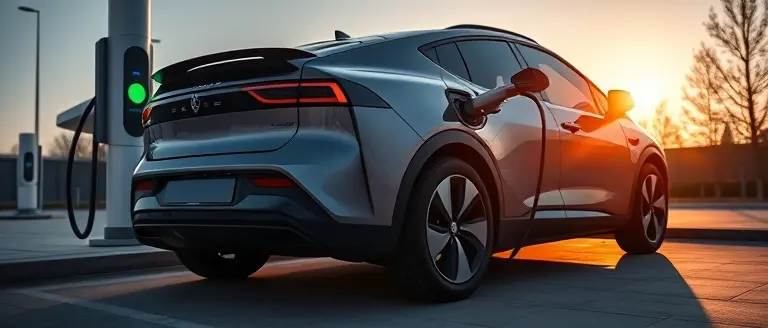
Recent reporting from Motor1 has highlighted Volkswagen’s bold stance regarding the inevitable obsolescence of the internal combustion engine (ICE). While industry giants are aggressively pivoting toward electrification, the average consumer is left to navigate a complex landscape of rapidly evolving technology and lingering infrastructure concerns. For the prospective car buyer, this shift is not just about environmental advocacy; it is a critical calculation of long-term vehicle residual value and total cost of ownership. As automakers scale back ICE development, the secondary market for gasoline vehicles could face volatility, making it essential to weigh current convenience against future market trends.
Factors to Consider Before Your Next Vehicle Purchase
When deciding between a traditional gasoline engine and a modern electric vehicle (EV), buyers must look beyond the initial MSRP. Consider these practical variables to protect your investment:
- Residual Value Volatility: As manufacturers sunset gas models, the resale value of late-model ICE vehicles may fluctuate based on future fuel prices and regulatory restrictions.
- Infrastructure Accessibility: Evaluate your home charging capability versus the availability of public fast-charging networks in your specific region. If you cannot charge at home, the “EV convenience” factor diminishes significantly.
- Maintenance Economics: While EVs often feature fewer moving parts, specialized battery repairs—if outside of warranty—can be costly. Conversely, high-mileage gas engines may incur steeper maintenance costs as they age and parts become less common.
- Tax Incentives and Financing: With current economic trends showing a rise in 6-year car loans, ensure that your long-term financing plan matches the expected lifespan of the vehicle’s technology.
Evidence suggests that for most households, the transition is best viewed through the lens of a 5-to-7-year ownership window. If you prioritize cutting-edge technology and lower operating costs, the EV route is becoming increasingly viable. However, if you reside in an area with lagging charging infrastructure or prioritize low entry-point pricing, high-efficiency hybrid vehicles currently offer the most stable bridge to the future of automotive transit. Monitoring authoritative insights from sources like Motor1 will help you stay informed on which models are maintaining their value as the industry undergoes this historic transformation.
The Recall Crisis: A Practical Step-by-Step Guide for Ford and Major Brand Owners
Recent reporting from Motor1 has highlighted significant manufacturing challenges, including the massive recall of 420,000 Ford units. For the average owner, these headlines can feel overwhelming. However, navigating a safety recall does not have to be a source of constant anxiety. By following a structured approach, you can ensure your vehicle remains safe and your financial interests are protected.
Immediate Steps for Affected Owners
If your vehicle is subject to a safety notice, your first action should be verifying your status. Do not rely solely on third-party news reports; instead, visit the National Highway Traffic Safety Administration (NHTSA) website. By entering your 17-character Vehicle Identification Number (VIN), you can obtain the most accurate and up-to-date recall information specific to your chassis. Once confirmed, follow these critical steps:
- Contact Your Dealership: Schedule a service appointment immediately. If parts are currently on backorder, ask your service advisor for a documented estimate of availability.
- Maintain Documentation: Keep a comprehensive file of every interaction, including email correspondence, service receipts, and repair orders. This is essential for potential warranty claims or future arbitration.
- Understand Your Rights: If a repair remains unavailable for an extended period, review your state’s Lemon Law statutes. These laws vary significantly by jurisdiction but may offer protections if a manufacturer fails to fix a safety-critical defect within a reasonable timeframe.
- Loaner Vehicles: If the recall involves a critical safety system—such as braking or steering—ask the manufacturer or dealer if they provide a loaner or rental reimbursement while your car is sidelined.
Being proactive is the best way to bridge the gap between volatile industry news and your personal peace of mind. By treating the recall as a managed maintenance event rather than a disaster, you protect both your investment and your safety on the road.
The Financial Reality of 6-Year Car Loans in a High-Interest Market

Recent data analyzed by Motor1 highlights a concerning shift in automotive consumer behavior: a record number of Americans are opting for 6-year car loans to manage soaring vehicle prices. While these extended terms lower the monthly payment, they mask a dangerous financial trap. By stretching the repayment period, buyers inadvertently pay significantly more in total interest over the life of the loan. In today’s high-interest economic climate, this practice often results in consumers owing more than the vehicle is worth—a state known as being “upside down” or “underwater” on a loan. Because vehicles depreciate rapidly in the first few years, an extended loan term ensures that the debt outpaces the asset’s resale value for the majority of the ownership period.
Navigating the True Cost of Long-Term Financing
The psychological appeal of a lower monthly bill often overrides the long-term mathematical reality. When interest rates are elevated, the compounding cost of a 72-month loan can add thousands of dollars to the final price of the vehicle, effectively negating any perceived savings from the lower monthly installment. To protect your financial health, consider the following strategies before signing a contract:
- Avoid Loan Term Inflation: If you cannot afford the car on a 48 or 60-month term, the vehicle is likely outside your realistic budget.
- Prioritize a Larger Down Payment: Increasing your upfront capital reduces the principal amount subject to interest, providing an immediate buffer against depreciation.
- Check Loan-to-Value (LTV) Ratios: Ensure your financing structure keeps you above water; if you are financing taxes and fees into the loan, you are starting from a deficit the moment you leave the lot.
- Focus on Total Cost of Ownership: Look beyond the monthly payment to calculate the total interest paid over the life of the loan, as this is the true gauge of your automotive investment.
By understanding these nuances, consumers can make informed decisions that align with their personal finance goals rather than falling victim to industry-standard lending trends that prioritize dealer volume over buyer equity.
Take Control of Your Garage and Your Financial Future
The current state of the automotive market confirms one thing: the days of relying blindly on dealership service centers for every minor repair or garage modification are coming to an end. While Motor1 provides the critical data on industry shifts and reliability warnings, the power to adapt remains in your hands. True financial freedom and vehicle longevity start when you stop outsourcing your mechanical needs and start reclaiming control over your home projects.
While you navigate rising car costs and the complexities of modern vehicle reliability, true financial freedom often starts by reclaiming control over your own workshop projects at home. This is where Ted’s Woodworking becomes the essential companion for any automotive enthusiast. By providing professional-grade, foolproof plans, this system eliminates the trial-and-error that plagues home projects, allowing you to build custom garage storage solutions or vehicle-specific organizers with absolute technical certainty. It is the ultimate tool for the home mechanic who understands that the best way to handle industry volatility is to build your own solutions.
Choosing to sharpen your craftsmanship is more than a hobby; it is a strategic investment in self-reliance that pays dividends by saving you from expensive, dealership-dependent repairs. Stop settling for uncertainty and start building with the precision required to thrive in today’s demanding automotive climate.
 Stop letting incomplete information guide your projects; gain total technical certainty and start your next build with the precision of a professional.Transform My Workshop Today!