
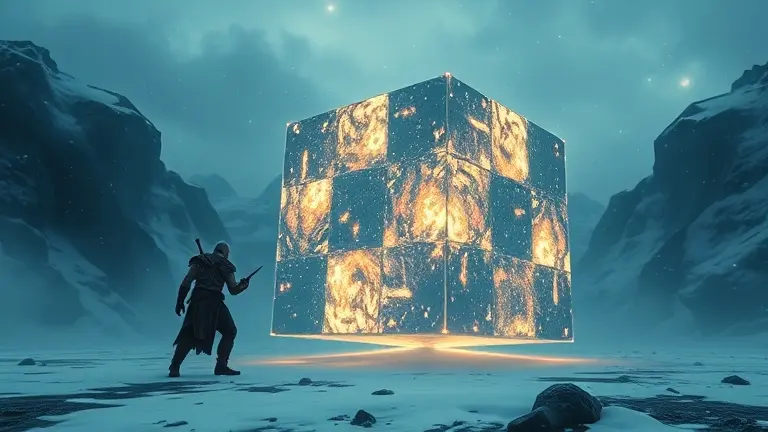
The announcement of God of War: Laufey during the 2026 State of Play sent shockwaves through the gaming community, though perhaps not for the reasons Sony Santa Monica expected. While the God of War franchise has long been defined by its gritty, visceral take on mythology, the revelation of a new, unconventional companion—a talking cosmic cube nicknamed "Frank the Cube" voiced by Jack Quaid—has left fans divided between viral humor and genuine confusion. Yet, beneath the inevitable memes lies a compelling question about the evolution of the series: how does a surreal, sentient geometric object shift the established narrative and gameplay mechanics that once centered on the grounded, emotional bond between Kratos and Atreus?
To understand the potential of this bold new direction, we must look past the Laufey god of war character reveal and analyze the shift in design philosophy. If Phranque is more than just a novelty, it implies a fundamental change in how Sony Santa Monica approaches companion-based exploration and combat skill trees. In this deep dive, we separate the internet frenzy from the actual development implications, providing a structured analysis of what the God of War: Laufey release date might truly signal for the future of the Norse saga and the ambitious, experimental storytelling that defines the modern era of the franchise.
God of War: Laufey and the Rise of ‘Frank the Cube’
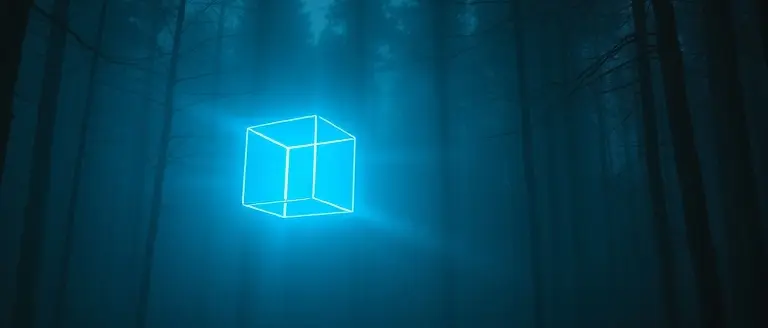
The 2026 State of Play event delivered a shockwave to the gaming community with the unexpected reveal of God of War: Laufey. While fans anticipated a new chapter focusing on the legendary giantess, few were prepared for the introduction of Phranque—affectionately dubbed “Frank the Cube” by the internet. Voiced by Jack Quaid, this sentient, cosmic-geometric entity represents a radical departure from the series’ established aesthetic. Where previous entries relied on the grounded, emotional weight of the Kratos and Atreus dynamic, this new title leans into a surreal, meta-narrative territory that has sparked intense debate across r/PS5 and social media platforms.
The casting of Jack Quaid brings a distinct, conversational energy to the project, contrasting sharply with the somber, mythic tone typically found in the God of War franchise. Since the trailer’s debut, social media discourse has fixated on the oddity of Laufey traveling alongside a literal cube. However, beneath the viral memes and the “Frank the Cube” obsession lies a calculated shift in narrative design. By pivoting toward an unconventional companion, Sony Santa Monica appears to be experimenting with the “companion” mechanic that defined the recent Norse saga, evolving the partnership from a mentor-student bond into something far more esoteric and potentially gameplay-centric.
The viral success of the reveal centers on three core factors:
- The Tone Clash: The juxtaposition of Faye’s grit against a talking, floating geometry creates a jarring but compelling sensory experience.
- The “Jack Quaid” Factor: Leveraging a recognizable voice talent suggests the character will play a significant, dialogue-heavy role rather than serving as a mere cosmetic item.
- Speculative Mechanics: Fan speculation suggests that Phranque may act as a tactical tool, potentially offering players new ways to interact with the environment or manipulate magical energy during combat sequences.
As we await the official God of War: Laufey release date, it is clear that this experimental approach is designed to keep players off-balance. Whether Phranque serves as a deep narrative anchor or a subversion of typical “sidekick” tropes, the inclusion of such an unconventional character confirms that the developers are willing to take bold risks with the series’ future direction.
Evolution of the Companion: From Atreus to Phranque
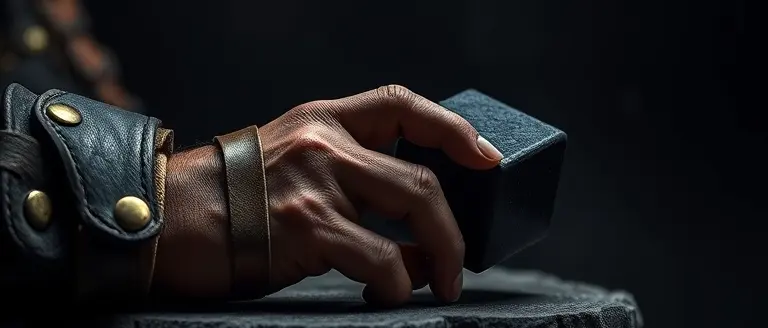
The God of War franchise has long utilized the companion dynamic as a cornerstone of its narrative architecture. In previous entries, the bond between Kratos and Atreus served as the engine for the story, grounding the epic scale of Norse mythology in themes of fatherhood, loss, and growth. However, the reveal of God of War: Laufey during the 2026 State of Play indicates a seismic shift in this design philosophy. By introducing Phranque—a talking cosmic cube voiced by Jack Quaid—Sony Santa Monica is pivoting away from human-centric emotional stakes toward something significantly more experimental and abstract. While the internet has latched onto the surreal nature of “Frank the Cube,” the mechanical implications of this companion suggest a departure from the “BOY” archetype that defined the franchise’s recent resurgence.
Mechanical Shifts and Speculation
Rather than functioning as a combat-focused sidekick like Atreus, Phranque appears to be designed for environmental manipulation and metaphysical navigation. Evidence from the trailer suggests that this cosmic entity may serve as a conduit for exploring the unseen realms Faye (Laufey) traverses. We can speculate that the companion’s role will prioritize:
- Environmental Puzzles: Utilizing geometry-based mechanics where the cube interacts with the world’s structure to open paths.
- Metaphysical Vision: Acting as a “lens” that allows Laufey to perceive rift-based enemies or hidden Norse lore that is invisible to the naked eye.
- Tactical Utility: Instead of archery or physical interference, the cube may provide defensive buffs or elemental debuffs that shift the tide of battle in a more strategic, less direct fashion.
This evolution highlights a desire to move beyond traditional combat utility. By replacing a mortal ward with a sentient, cosmic object, the developers are signaling that Laufey will focus on high-concept storytelling and surrealism. Whether this transition proves successful depends on how deeply the narrative integrates the cube’s existence into the broader God of War mythology, ensuring that the character is more than just a viral design choice.
What We Know vs. What We Speculate: Decoding the Narrative

The announcement of God of War: Laufey during the 2026 State of Play has polarized the community, primarily due to the introduction of “Phranque,” a talking cosmic cube. While the internet has latched onto the humor of the character, stripping away the memes reveals a significant shift in the franchise’s design philosophy.
Known Facts About the Narrative
To clear up the confusion circulating on platforms like Reddit and TikTok, we must separate confirmed details from viral conjecture:
- Laufey as Protagonist: The game centers on Laufey (Faye) navigating the realms before the events of the Norse saga, providing a prequel experience.
- Casting: Actor Jack Quaid has been officially cast to provide the voice and personality for the cube entity known as Phranque.
- Companion Mechanic: Phranque is confirmed to be a persistent companion throughout the journey, marking a departure from the Kratos and Atreus “BOY” dynamic that defined previous titles.
Speculating on the Cosmic Element
Beyond the surface-level absurdity, the existence of a sentient cube suggests deep lore implications. We speculate that Phranque may not be a random addition, but a calculated narrative device:
- A Fragment of Yggdrasil: Theories suggest Phranque could be a sentient piece of the World Tree, acting as an ancient repository of knowledge that guides Faye through realms that have not yet been fractured.
- Sentient Giant Technology: Given Laufey’s heritage, the cube might be a manifestation of advanced Giant craft, designed to shield her from the sight of Odin.
- Meta-Narrative Commentary: Sony Santa Monica may be using the cube to subvert player expectations, using its “surreal” nature to force players to adapt to new, unconventional gameplay mechanics that prioritize tactical puzzle-solving over the raw combat of Kratos.
By moving away from the gritty, grounded tone of previous entries, God of War appears to be experimenting with high-concept fantasy, using this “Frank the Cube” figure to challenge our understanding of companion-driven storytelling. Whether Phranque serves as a tactical tool for skill trees or a vessel for exposition, he represents a bold, experimental pivot for the God of War series.
The Tone Shift: Why Sony Santa Monica is Taking a Risk

The announcement of God of War: Laufey during the 2026 State of Play represents a seismic shift for the franchise, signaling a move away from the somber, heavy-handed Greek and Norse mythologies that defined the series for two decades. By introducing a sentient, talking cosmic cube known as “Phranque”—voiced by Jack Quaid—Sony Santa Monica is intentionally injecting surrealism into a historically grounded, gritty universe. While viral social media clips have focused on the humorous contrast between the stern Faye and this buoyant, geometric companion, the narrative implications are far more profound. This shift suggests that the developers are moving toward a more experimental, avant-garde storytelling model that challenges the traditional “father and child” dynamic established by the Kratos and Atreus arc.
Redefining the Companion Mechanic
The evolution from a tactical, combat-oriented partner to a metaphysical entity like Phranque forces a rethink of how players interact with their environment. If Laufey is to carry the torch of the franchise, the inclusion of an unconventional ally indicates that gameplay will likely pivot toward reality-warping puzzles and cosmic navigation rather than simple brute-force combat.
- Narrative Divergence: Moving away from the “Boy” dynamic allows the writers to explore themes of isolation and cosmic discovery rather than repeating the cycle of familial trauma.
- Experimental Pacing: The juxtaposition of comedy and tragedy often serves to heighten the emotional stakes of the latter, a classic literary device now being applied to the action-adventure genre.
- Structural Risk: By casting a high-profile comedic talent like Jack Quaid for a non-human role, Sony is clearly signaling that the God of War brand is resilient enough to absorb absurdity without losing its core identity.
Ultimately, this creative gamble suggests that the God of War series is entering an era of franchise fluidity. By prioritizing design innovation over fan expectation, the studio is effectively “rebooting” the tone of the game, proving that the laufey god of war experience is designed to be as unpredictable as the cosmic entity accompanying its protagonist. Whether this translates into a successful mechanical integration remains to be seen, but it is undoubtedly a bold departure from the standard action-adventure template.
Mastering the Blueprint of Your Next Great Project
As we peel back the layers of God of War: Laufey, it becomes clear that Sony Santa Monica is taking a massive, calculated risk. By introducing Phranque, the cosmic cube voiced by Jack Quaid, the developers are moving away from the traditional, gritty companion dynamic we saw with Kratos and Atreus. While the internet is busy debating the meme potential, the real story here is one of meticulous game design, where a surreal, unconventional element is being engineered to potentially revolutionize core mechanics and narrative structure. Understanding this complexity requires looking past the surface-level confusion and appreciating the rigorous, structural framework that allows such a bizarre concept to function within a serious mythology.
Just as Sony Santa Monica is meticulously crafting the complex, unconventional architecture of Phranque, you need a precise, foolproof blueprint if you want to move from inspiration to a finished, high-quality project in your own workshop. Whether you are building complex furniture or intricate home improvements, the difference between a frustrating mess and a masterpiece lies in the quality of your plans. Trial-and-error is the enemy of excellence, but with the right technical guidance, you can eliminate uncertainty and achieve professional-grade results every single time.
We have identified the ultimate resource for those who value structure, precision, and mastery in their personal craft. By providing a comprehensive library of detailed plans, this collection acts as your personal workshop guide, mirroring the attention to detail required in world-class game design. Stop guessing your way through your next project—access the definitive library of 16,000 professional blueprints and build with total certainty today.
 Stop guessing your way through your next project—access the definitive library of 16,000 professional blueprints and build with total certainty today.Transform My Projects Today!