

The Chicago Bears have officially set their sights beyond state lines. Following a pivotal vote by the franchise’s Board of Directors in early June 2026, the team is aggressively advancing plans to relocate to Hammond, Indiana. This decision follows the conclusion of the Illinois legislative spring session, signaling a definitive collapse in negotiations for a new stadium deal within Chicago city limits. For a team that has defined the professional gridiron experience for over a century, the shift toward Indiana represents a massive structural and logistical gamble that has left the fanbase divided.
While social media trends have recently linked the Bears to an unrelated surge in search volume surrounding the 2026 Pride Parade, the reality of the stadium relocation is a distinct and serious business maneuver. This article strips away the noise to examine the technical hurdles of the ‘Hammond Plan,’ the viability of regional infrastructure, and why the ownership believes that crossing state lines is the only path toward the modern, revenue-generating facility the organization demands. We will analyze the engineering puzzle of this relocation and what it means to rebuild a historic legacy from the ground up.
,slug:
The Hammond Shift: Inside the Bears’ Pivot to Indiana
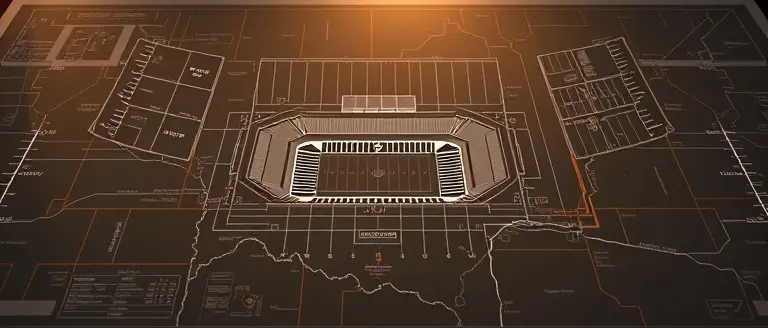
In a monumental development that has sent shockwaves through the NFL landscape, the Chicago Bears Board of Directors officially voted in early June 2026 to shift their stadium development focus toward Hammond, Indiana. This pivot marks a definitive end to months of speculation regarding the franchise’s future, following the conclusion of a legislative spring session in Illinois that failed to yield the necessary public funding or infrastructure commitments the organization demanded. The decision effectively moves the Chicago Bears moving narrative from hypothetical debate to an active, real-world development project.
Why the Pivot Occurred
The primary driver behind this sudden relocation strategy is the impasse reached with Illinois lawmakers. For years, the franchise sought a modernized, taxpayer-assisted facility within Chicago city limits, but the economic and political conditions proved insurmountable. By looking across state lines, the organization is effectively leveraging:
- Regional Growth: Proximity to the Chicago metropolitan area while securing a more favorable tax and regulatory environment in Indiana.
- Strategic Leverage: Moving away from the constraints of the Illinois legislative session, which stalled critical infrastructure investment for a stadium on the lakefront.
- Modern Development: Access to land tracts in Northwest Indiana that offer more flexibility for a state-of-the-art dome complex than the congested downtown Chicago sites.
The Impact on the Franchise
While the prospect of bears moving to Indiana has sparked intense fan debate—ranging from deep frustration to curiosity about the long-term logistical reality—the move remains a calculated business decision. Reports from outlets like Yahoo Sports indicate that the team is prioritizing long-term stadium viability over historical loyalty to Soldier Field. Although the team will likely retain its historic name, the shift reflects a broader trend in the NFL where franchises prioritize purpose-built, revenue-generating stadium districts over legacy locations that lack modern amenities. As the organization transitions into the planning phases in Hammond, both local stakeholders and the fan base are bracing for a transformative, if controversial, chapter in franchise history.
Infrastructure Analysis: Is Hammond Ready for an NFL Powerhouse?
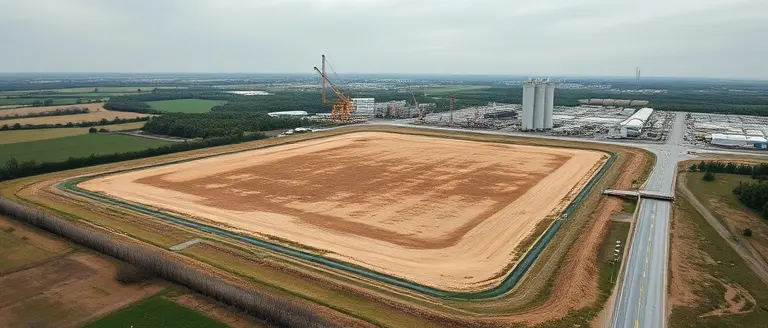
The prospect of the Chicago Bears moving to Hammond, Indiana, has shifted the focus from stadium aesthetics to the grueling reality of civil engineering and logistics. Transitioning from the lakefront of Chicago to a suburban site 30 miles away requires a massive overhaul of existing regional infrastructure. While the proximity to the Illinois-Indiana border provides a strategic geographic link, the current road network in Northwest Indiana is primarily designed for regional commerce and local traffic rather than the high-intensity, concentrated surges associated with an NFL game day. Evidence suggests that hosting 60,000 to 70,000 fans requires significant upgrades to arterial access points, particularly along the I-80/94 corridor, which is already a bottleneck for cross-country logistics.
Critical Infrastructure Requirements
To sustain a modern NFL venue, the Hammond site must meet rigorous standards that extend far beyond the footprint of the stadium bowl. Planners are currently evaluating whether existing utility capacity—specifically power grid redundancy, water management, and sewage treatment—can accommodate the exponential load of a modern entertainment complex. Key areas of concern include:
- Highway Throughput: The current highway interchanges near Hammond would require major capital investment to prevent gridlock during peak hours.
- Public Transit Integration: Unlike the CTA access available to Soldier Field, a site in Indiana would likely necessitate a new dedicated rail shuttle or an expansion of existing commuter lines to effectively move fans from downtown Chicago.
- Utility Infrastructure: Massive upgrades to electrical substations are mandatory to support high-definition broadcast requirements, advanced stadium LED systems, and climate-control facilities.
While the franchise explores this relocation, the conversation remains centered on whether the economic benefits of bears moving to indiana outweigh the massive taxpayer and private investment required to transform Hammond’s current landscape into a world-class sports destination. The feasibility of this project depends entirely on whether state-level support in Indiana can match the logistical scale of an NFL-caliber venue.
The Identity Crisis: Can the ‘Chicago’ Bears Survive an Indiana Move?
The potential relocation of the Chicago Bears to Hammond, Indiana, has ignited a fierce debate regarding team identity and the sanctity of the “Chicago” moniker. While the organization’s Board of Directors has signaled that the team will retain its historic name, sports branding experts suggest that an interstate move presents unique challenges that transcend mere geography. In the modern NFL, playing outside of one’s namesake city is a common occurrence; however, relocating across state lines creates a distinct emotional hurdle for a fanbase rooted in the deep industrial and cultural history of Illinois.
Precedents in Professional Sports
The NFL has a long history of teams playing in venues geographically removed from the cities they represent. Historical data and existing branding strategies suggest that the “Chicago” brand is likely too valuable to alter, regardless of the team’s physical address. Consider the following precedents:
- The New York Giants and Jets: Both franchises play their home games in East Rutherford, New Jersey, yet retain their “New York” branding without suffering significant identity erosion.
- The Dallas Cowboys: Playing in Arlington, Texas, the Cowboys have successfully leveraged their state-wide and national brand power, proving that the stadium’s specific municipality is less critical than the regional association.
- The San Francisco 49ers: Currently playing in Santa Clara, the 49ers maintain their identity by positioning themselves as a regional representative of the Bay Area.
The Fan Sentiment Factor
Despite the business logic supporting the status quo, the move to Indiana could trigger a temporary “identity crisis” among the local faithful. Fan reactions on platforms like Reddit and TikTok emphasize that the Chicago Bears are viewed as a cultural institution inextricably linked to Soldier Field and the city of Chicago itself. If the franchise proceeds with its Bears moving to Indiana strategy, the success of their branding will depend entirely on their ability to market the new stadium as a regional hub for the entire Midwest, rather than an abandonment of their core Illinois constituency. While the “Chicago” name will almost certainly survive the transition, the team’s challenge will be to ensure that the fanbase continues to view the organization as their own, despite the 30-mile shift across state lines.
The Fan Experience: Looking Ahead to a New Era

For the average season ticket holder, the decision by the Chicago Bears to advance development plans in Hammond, Indiana, represents the most significant shift in franchise history. While the organization maintains that the “Chicago Bears” moniker will remain intact, the logistical reality of transitioning to a site roughly 30 miles from the city center creates a new paradigm for gameday attendance. Fans accustomed to the historic, lakefront atmosphere of Soldier Field will face a fundamental change in accessibility and commute patterns. The team has signaled that infrastructure development in Northwest Indiana will be a priority, focusing on state-of-the-art transit solutions and expanded parking capacity to mitigate the distance from downtown. However, concerns persist regarding how the team will preserve its deep-rooted cultural ties to Illinois while operating across state lines.
Key Considerations for the Future of Gameday
- Accessibility and Infrastructure: The team is currently assessing the capacity of regional road networks and potential rail extensions to handle NFL-level traffic volumes, a critical factor for fans traveling from the Chicago metropolitan area.
- Legacy Preservation: The organization has committed to integrating historical exhibits and heritage-focused architecture into the new stadium design, ensuring that the team’s identity remains firmly anchored in its Chicago roots despite the physical move.
- Fan Engagement Shifts: Moving the Bears to Indiana necessitates a reimagining of tailgating culture and local community integration, as the demographic profile of the surrounding area differs significantly from the downtown lakefront.
Ultimately, while the emotional backlash across platforms like r/CHIBears is palpable, the organization is betting that a modern, purpose-built venue will outweigh the inconvenience of relocation. As Chicago Bears moving plans progress from the voting phase to active site development, the primary challenge for the front office will be maintaining season ticket holder loyalty through clear communication and the delivery of a premium, technologically advanced fan experience that justifies the new location. Maintaining this delicate balance between business modernization and historical reverence is the defining task for the team’s leadership as they transition toward this new era.
The Architectural Blueprint of a Legacy
The relocation of the Chicago Bears to Hammond, Indiana, marks the end of an era at Soldier Field and the beginning of a monumental engineering challenge. Whether you view this move as a business necessity or a cultural heartbreak, the reality remains that building an NFL-caliber venue is one of the most complex construction puzzles in modern sports. It is not just about laying turf; it is about infrastructure, structural integrity, and long-term planning that must be executed with mathematical precision.
Just as the Bears’ board is discovering that constructing a world-class facility requires a perfect plan to avoid costly delays and structural failure, you might find that your own home projects often stall without the right guidance. Why leave your woodworking or construction goals to trial-and-error when you can leverage the same kind of technical certainty that stadium developers rely on? It is time to treat your workshop with the same level of professional ambition that defines the NFL’s next chapter.
If you have been captivated by the blueprints and logistics behind the new Hammond stadium development, you now have the opportunity to master your own construction feats. Take the frustration out of complex building and ensure structural excellence in every project by accessing our comprehensive library of professional-grade designs. It is the natural next step for anyone who values the precision and structural integrity of a project built to last.
 If you’re fascinated by the blueprints for the new Hammond stadium, start building your own expert-level projects today with access to over 16,000 professional workshop plans.Start Building Like A Pro Today!