
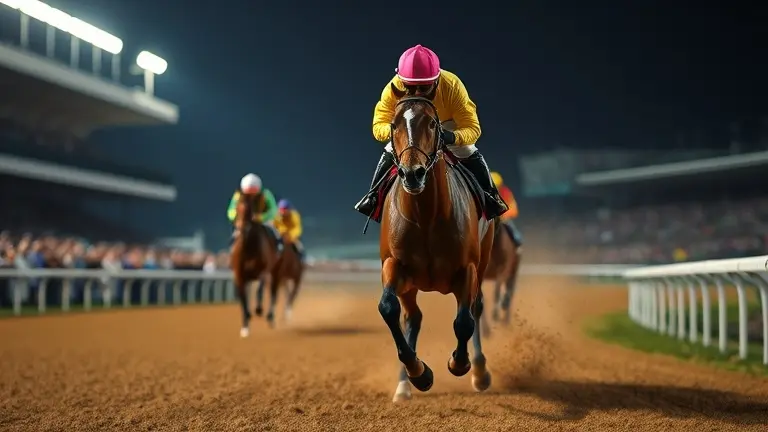
The 158th running of the Belmont Stakes at Saratoga Race Course will be remembered not just for the thunder of hooves, but for the audacity of a single, calculated gamble. When Golden Tempo crossed the finish line to complete a breathtaking last-to-first rally, it silenced the skeptics who questioned trainer Cherie DeVaux’s controversial decision to bypass the Preakness Stakes. This wasn’t merely a victory of raw speed; it was a testament to the power of deliberate rest and precise tactical execution in the face of immense pressure.
While post-race analysis has obsessed over the payouts and the closing fractions, the true story lies in the methodology. By analyzing the Belmont Stakes 2026 result through the lens of elite athletic preparation, we uncover why this ‘rested horse’ strategy has rewritten the playbook for modern thoroughbred racing, providing a masterclass in high-stakes decision-making that resonates far beyond the racetrack.
Golden Tempo’s Historic 158th Belmont Stakes Victory
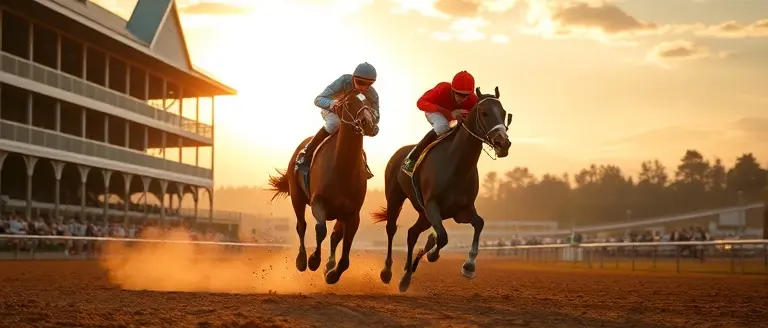
The 158th running of the Belmont Stakes 2026 at Saratoga Race Course will be remembered for years as a masterclass in modern race management. When the gates opened on June 6, Golden Tempo found himself trailing the pack, seemingly out of contention as the leaders set a blistering pace early on. However, under the guidance of veteran jockey Jose Ortiz, the thoroughbred executed a breathtaking “last-to-first” rally that electrified the crowd. This tactical surge not only secured his place in history but also validated the controversial decision by trainer Cherie DeVaux to bypass the Preakness Stakes following his decisive Kentucky Derby win.
The Strategic Advantage of Rest
DeVaux’s decision to keep her star athlete fresh proved to be the difference-maker. By skipping the Triple Crown’s middle leg, Golden Tempo arrived at the Belmont distance of 1 ¼ miles with significantly higher energy reserves than his competitors. This “rested horse” strategy allowed him to navigate the Saratoga track with precision, saving his power for a devastating final turn.
- The Comeback: After a sluggish start, Golden Tempo utilized his explosive closing speed to weave through traffic in the final furlong.
- Tactical Precision: Jose Ortiz maintained a patient rhythm, resisting the urge to push early, which ensured the horse had the requisite stamina to overtake the frontrunners.
- Elite Conditioning: The partnership between DeVaux and Ortiz demonstrated that specialized training regimens, rather than strictly following the traditional Triple Crown schedule, can maximize a horse’s long-term performance.
Analysts have noted that this victory marks a significant shift in how elite trainers approach major stakes racing. By prioritizing the health and recovery of their Belmont Stakes 2026 horses, teams like DeVaux’s are setting a new standard. As the sports community continues to dissect the race footage, it is clear that Golden Tempo’s performance was not merely a matter of talent, but the successful execution of a sophisticated, data-driven racing philosophy.
The ‘Rested Horse’ Strategy: Did Skipping Preakness Pay Off?

The decisive victory of Golden Tempo at the 2026 Belmont Stakes has reignited a fierce debate within the horse racing community regarding the viability of the “rested horse” strategy. By opting to skip the Preakness Stakes following his impressive Kentucky Derby win, trainer Cherie DeVaux executed a high-stakes gamble that ultimately paid dividends. Historically, the grueling Triple Crown schedule—three major races within five weeks—has been the primary barrier to glory. However, Golden Tempo’s performance at Saratoga suggests that modern conditioning, combined with an extended recovery period, provides a distinct competitive advantage over rivals who pushed through the full circuit.
Analyzing the Impact of Fresh Legs
Evidence from the 2026 Belmont Stakes suggests that the “fresh legs” approach was the deciding factor in the thoroughbred’s iconic last-to-first rally. While opponents were visibly fatigued after contesting the middle jewel of the Triple Crown, Golden Tempo retained the explosive energy reserves necessary to navigate the challenging distance. Key takeaways from this tactical shift include:
- Energy Conservation: By bypassing the Preakness, the horse avoided the physical taxation of a three-week turnaround, allowing for a peak training cycle leading into the Belmont.
- Late-Race Acceleration: Jockey Jose Ortiz was able to reserve the horse’s power for the final turn, utilizing a sustained burst of speed that overmatched tiring contenders.
- Psychological Edge: The controlled environment of the prep period allowed the team to refine the horse’s tactical positioning, which proved vital when maneuvering through a crowded field.
Comparative analysis against previous contenders who opted for similar rest schedules highlights a growing trend in elite racing. While purists argue that the Triple Crown demands participation in all three legs, the statistical success of rested horses like Golden Tempo in the Belmont may force a permanent evolution in how trainers approach the sport’s most prestigious events. By prioritizing the horse’s physiological limits, DeVaux has set a new blueprint for victory, proving that a measured, strategic calendar can be more effective than tradition alone.
Mastermind Pairings: The DeVaux and Ortiz Winning Formula

The victory of Golden Tempo at the 2026 Belmont Stakes was far more than a simple display of raw speed; it was a masterclass in modern equine management and tactical discipline. Trainer Cherie DeVaux opted for a controversial, yet ultimately visionary, training schedule by skipping the Preakness Stakes to ensure her thoroughbred entered the final jewel of the Triple Crown with peak energy reserves. This decision emphasized a shift in industry philosophy, favoring strategic rest over the grueling demands of the traditional three-race circuit. By targeting the distance at Saratoga Race Course, DeVaux leveraged the unique track dynamics to maximize the horse’s late-stretch acceleration, proving that a fresh contender often possesses a decisive competitive advantage.
Tactical Execution by Jose Ortiz
The partnership between DeVaux and jockey Jose Ortiz proved pivotal during the closing stages of the race. As the field rounded the final turn, Golden Tempo appeared dangerously far behind the leaders. However, observers noted that Ortiz maintained remarkable composure, refusing to panic despite the significant gap. His communication with the horse was deliberate and restrained, allowing the thoroughbred to conserve vital oxygen before launching an explosive last-to-first rally.
Key elements of their winning strategy included:
- Pace Management: Ortiz expertly navigated the middle-of-pack traffic, avoiding unnecessary energy expenditure in the early furlongs.
- Strategic Positioning: By waiting until the final eighth of a mile, Ortiz exploited the fatigue of front-runners who had contested the pace too early.
- DeVaux’s Preparation: The trainer’s emphasis on stamina-focused morning workouts allowed Golden Tempo to maintain top-end speed when most competitors were physically peaking.
Evidence suggests this pairing prioritized a “horse-first” mentality that prioritized longevity over immediate gratification. Their victory confirms that when elite training methodologies align with calculated, patient jockeying, the results in a high-stakes Belmont setting are often transformative.
Betting Breakdown: Belmont Stakes 2026 Payouts and Odds

The 158th running of the Belmont Stakes 2026 at Saratoga Race Course offered a masterclass in modern handicapping, particularly for those who monitored the shifting public betting pools. Golden Tempo entered the starting gate as a polarizing favorite; while his Kentucky Derby victory solidified his status among casual bettors, seasoned handicappers were divided on whether the lengthy layoff—skipping the Preakness Stakes—would result in a lack of race sharpness. As the field turned for home, the real-time betting narrative shifted dramatically, reflecting the shock of the horse’s sudden, late-stretch surge that defied earlier in-race position betting trends.
Analyzing the Payout Structure
For bettors who capitalized on the “rested horse” theory, the payouts for the 2026 event provided significant returns compared to traditional wire-to-wire winners. While the win price on Golden Tempo settled at a modest return given his favoritism, the exotic wagers were where the true value was captured. Because the Belmont Stakes 2026 horses included several longshots who pressured the pace early, the exotic combinations were driven higher by the late-race shakeout.
- Win/Place/Show: Golden Tempo delivered a professional return for win-ticket holders, though the place and show positions were largely occupied by closing sprinters who benefited from the blistering early pace.
- Exacta, Trifecta, and Superfecta: The superfecta payout was notably high, as it required bettors to correctly identify a field that underwent a massive structural change in the final quarter-mile.
- Betting Volatility: Evidence suggests that the live betting markets fluctuated wildly during the mid-race portion, as the public reacted to Golden Tempo being positioned toward the back of the pack, creating a unique opportunity for high-risk, high-reward investors.
Ultimately, the results at Belmont underscored the unpredictability of the Triple Crown finale. Whether you backed the favorite or chased the long-shot value, the 2026 edition serves as a definitive case study in how tactical rest schedules—specifically the decision by trainer Cherie DeVaux to bypass the second leg of the Triple Crown—influence both race outcomes and the volatility of the betting board.
Mastering the Mind of a Champion
The success of Golden Tempo serves as a profound reminder that in any arena—whether on the dirt at Saratoga or in the boardroom—victory favors those who prioritize mental clarity and strategic foresight. Cherie DeVaux’s ability to resist the noise of the Triple Crown schedule and maintain absolute focus on the long-term goal is the hallmark of elite performance. It is this exact level of cognitive discipline that separates the contenders from the icons.
Just as a trainer requires razor-sharp focus to orchestrate a championship-level performance under intense pressure, today’s top professionals are increasingly looking for ways to cut through the mental fog and sharpen their decision-making. This is where The Brain Song becomes an indispensable tool. By leveraging neuroscience-based audio technology, it bridges the gap between raw potential and peak cognitive performance, allowing you to maintain the same unwavering strategic clarity that defined the 2026 Belmont Stakes winning team.
Harnessing this level of mental precision is no longer reserved for championship horses and their trainers; it is available to anyone ready to elevate their cognitive output. By integrating this 12-minute daily routine into your workflow, you can optimize your focus, accelerate your processing speed, and execute your own ‘last-to-first’ rallies in your professional life. It is the natural next step for those who refuse to settle for anything less than their absolute best.
 Hone your strategic focus like a championship trainer; discover the 12-minute daily routine to unlock your peak cognitive potential.Unlock My Peak Performance Today!