

The international community and the Auburn University family are currently mourning the tragic loss of James ‘Weston’ Higginbotham, whose disappearance during a trip to Japan culminated in a somber discovery near Kyoto. As news outlets confirm the end of a harrowing week-long search, the focus must shift from the urgency of breaking headlines to a more profound understanding of the risks associated with international travel and the daunting logistical realities of search-and-rescue operations in foreign terrain.
For those watching from afar, the news surrounding Weston Higginbotham is not just a reminder of the fragility of life, but a call to re-evaluate how we prepare for travel in remote or unfamiliar environments. As we process this heartbreak, it becomes critical to move beyond speculation and toward a constructive conversation about student safety protocols, the importance of reliable communication, and the mental fortitude required to manage such high-stress situations. Understanding these challenges is the first step toward preventing future tragedies and ensuring that those traveling abroad are equipped with both the knowledge and the clarity to navigate unexpected crises.
Understanding the Circumstances: The Search for Weston Higginbotham

The disappearance and subsequent discovery of James ‘Weston’ Higginbotham have deeply affected the Auburn University community and those following his international travel journey. Weston, an Auburn student missing in Japan, was traveling with family members when he vanished, triggering an extensive, multi-day search operation in a challenging foreign environment. For approximately one week, local Japanese authorities and volunteer search-and-rescue teams coordinated efforts to locate the student, whose disappearance became a high-profile case monitored by international media outlets including CNN, USA Today, and NBC News.
Timeline of the Discovery
The situation reached a tragic conclusion on June 6, 2026, when authorities confirmed that the body of James Higginbotham had been located. The search efforts concluded in a remote, mountainous area near Kyoto, specifically within the rugged Kitayama Mountains. Key milestones in this investigation include:
- Initial Disappearance: Weston was reported missing while visiting the region, sparking an immediate international search involving local law enforcement and volunteers.
- The Search Effort: Rescue teams faced significant logistical hurdles while navigating the dense, mountainous terrain near Kyoto, which is known for its steep inclines and complex navigation.
- The Announcement: On June 6, 2026, major news outlets and official family communications confirmed that the missing student in Japan had been found deceased.
Out of respect for the grieving family, it is essential to emphasize that the cause of death remains subject to ongoing investigation by Japanese authorities. There is currently no official information regarding the circumstances leading to his passing, and it is vital to avoid speculation as the family navigates this profound loss. The tragic outcome of Weston Higginbotham’s case serves as a somber reminder of the unpredictable nature of travel in remote regions, even when part of a group. As the investigation progresses, the focus remains on honoring the memory of the student while awaiting official reports from the relevant Japanese agencies.
Safety Protocols for Students Traveling in Remote Japan
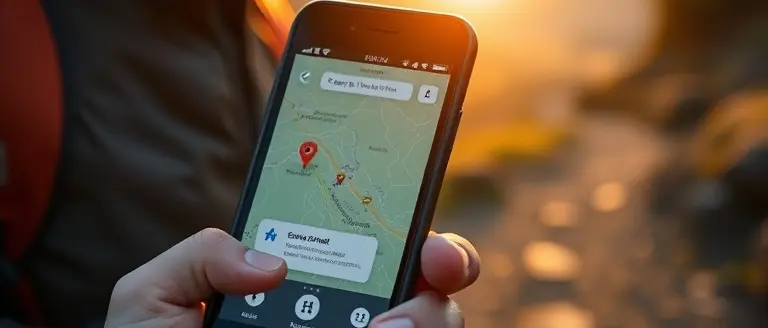
The tragic case involving the missing student in Japan, James Weston Higginbotham, has highlighted the inherent risks of exploring unfamiliar, rugged environments. While Japan is globally recognized for its safety, the country’s vast mountainous regions—such as the Kitayama Mountains—present unique challenges that even experienced hikers may underestimate. Students and international travelers must prioritize preparedness and situational awareness to navigate these areas effectively. Before venturing into remote territory, travelers should thoroughly research local trail conditions, understand the specific climate risks of the region, and never venture off marked paths without adequate navigation tools and physical conditioning.
Essential Preparedness Steps for Travelers
To minimize risk and ensure a coordinated response in the event of an emergency, consider implementing the following safety protocols:
- Register with the STEP Program: The Smart Traveler Enrollment Program (STEP) allows U.S. citizens to register their trips with the nearest embassy or consulate. This ensures that in the event of a crisis, government officials can contact you or your family more effectively.
- Share Detailed Itineraries: Always leave a comprehensive travel plan with a trusted contact back home. This should include specific hiking routes, expected check-in times, and accommodation details.
- Utilize Real-Time Location Sharing: Leverage technology by keeping GPS location-sharing features active on your mobile device, allowing designated family members or friends to track your progress in real-time.
- Carry Offline Navigation: Relying solely on cellular data can be dangerous in remote Japanese terrain where signals often drop. Always carry physical maps and an offline-enabled GPS device.
Understanding the specific terrain and weather patterns is also vital. Weather in Japanese highlands can shift rapidly, potentially turning a routine hike into a life-threatening situation. When considering the auburn student missing in Japan search efforts, it becomes clear that search-and-rescue operations in foreign, mountainous terrain are logistically complex and time-consuming. By proactively registering travel, maintaining reliable communication lines, and respecting the unpredictable nature of remote environments, travelers can significantly enhance their personal safety while exploring the beauty of Japan.
The Role of Search and Rescue Volunteers in Japan
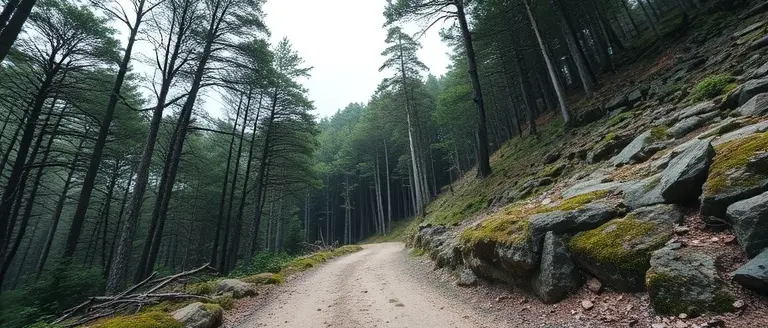
The disappearance and subsequent search for Weston Higginbotham underscored the indispensable role played by volunteer search-and-rescue (SAR) groups within the Japanese emergency response framework. When an auburn student missing in Japan becomes the subject of a massive, multi-day investigation, the scale of the operation often exceeds the immediate capacity of local prefectural police. In Japan, volunteer organizations, often composed of seasoned mountaineers, local residents, and professional outdoor guides, provide critical boots-on-the-ground support that is essential for navigating the country’s notoriously dense, rugged, and unforgiving mountainous regions, such as the Kitayama Mountains.
Expertise in Challenging Terrain
These volunteer groups bring specialized knowledge that is vital for survival scenarios. Their contribution is multifaceted:
- Local Knowledge: Volunteers possess an intimate understanding of micro-climates, treacherous trails, and shifting geography that satellite mapping cannot replicate.
- Coordinated Efforts: They work in seamless integration with the Japanese police, filling gaps in specialized manpower for high-altitude or deep-forest terrain.
- Resource Scaling: In high-profile cases like the search for James Westin Higginbotham, these groups allow authorities to maintain a continuous, 24-hour presence in areas that are otherwise inaccessible to standard emergency response vehicles.
The recovery of the missing student in Japan serves as a poignant reminder of the dedication these volunteers show in the face of immense logistical difficulty. Unlike urban search efforts, missions in remote Japanese landscapes require extreme physical endurance and sophisticated communication strategies. Because mountainous regions in Japan are often subject to rapid weather changes and dense vegetation, local expertise is frequently the defining factor in locating individuals during the critical initial window of an investigation. By supplementing official police efforts, these volunteers serve as the backbone of rural and wilderness emergency services, often providing the only hope for families awaiting closure in international missing person cases.
Essential Travel Preparation and Risk Mitigation

The tragic case of James Weston Higginbotham, an Auburn student missing in Japan, serves as a somber reminder of the inherent risks associated with independent international travel. When navigating foreign landscapes—particularly remote regions like the Kitayama Mountains—proactive risk mitigation is not merely a suggestion but a necessity for student travelers. To enhance safety, students should prioritize establishing a reliable communication cadence with family members. This involves sharing a detailed itinerary that includes specific daily plans, intended routes, and estimated return times. If a traveler deviates from their planned schedule, immediate notification to a trusted contact is critical to ensure that, should an emergency occur, search teams have an accurate starting point.
Leveraging Technology and Physical Preparedness
While digital connectivity is a pillar of modern life, students must understand that mobile signal reliability in rural Japan can be inconsistent at best. Relying solely on GPS-enabled smartphones is a common oversight that can lead to vulnerability if battery levels deplete or network access fails. To mitigate these risks, travelers should adopt the following safety measures:
- Download Offline Maps: Utilize navigation tools that allow for offline access, ensuring you have topographic awareness even in deep valleys or dense forests where data roaming is unavailable.
- Carry Physical Backups: Always pack a paper map and a compass if you intend to explore nature reserves or mountainous terrain.
- Emergency Gear: Maintain a standard survival kit that includes a high-capacity power bank, a personal whistle, a basic first-aid kit, and high-visibility clothing.
- Register with Embassies: The U.S. State Department’s STEP (Smart Traveler Enrollment Program) allows citizens to register their trips, providing local embassies with vital contact information in case of a natural disaster or personal emergency.
By acknowledging the logistical challenges inherent in foreign exploration, students can better prepare for the unexpected. Whether traveling for academic enrichment or personal leisure, maintaining a heightened sense of situational awareness and respecting the limitations of remote terrain remains the most effective defense against the hazards often faced by those exploring the beauty of Japan.
Navigating Crisis with Clarity and Resilience
The tragic conclusion of the search for Weston Higginbotham reminds us that even in the most organized societies, navigating international emergencies requires immense emotional and cognitive strength. For families and students alike, understanding the complexities of travel safety and search-and-rescue protocols is vital, but the toll of processing such heavy information can be overwhelming.
In times of intense pressure or when researching complex global safety protocols, staying mentally alert is a necessity rather than a luxury. Informing yourself on these procedures requires significant cognitive endurance; many are finding that simple, neuroscience-based auditory routines help maintain that necessary clarity. This is where The Brain Song serves as an essential companion, helping you reduce mental fatigue and improve your focus so you can navigate challenging information without succumbing to the fog of stress.
By integrating a brief, 12-minute daily audio routine into your schedule, you provide your brain with the tools it needs to remain sharp, regulated, and capable of processing difficult data. Taking control of your cognitive health is the most effective way to remain present and informed when it matters most.
 Discover how a brief, 12-minute daily audio routine can help you maintain sharp focus and mental clarity during challenging times.Achieve Mental Clarity Now!