

The Detroit Tigers’ infield landscape shifted dramatically on June 5, 2026, as the organization officially confirmed that shortstop Trey Sweeney will undergo season-ending arthroscopic surgery on his right shoulder. For the 26-year-old athlete, this represents a crushing end to a season defined by a frustrating and ultimately unsuccessful attempt to rehabilitate a nagging, pre-existing injury. Since his acquisition from the Los Angeles Dodgers in the 2024 deal involving Jack Flaherty, the Tigers had high hopes for Sweeney as a cornerstone of their defensive depth. Instead, the team must now pivot to navigate the remainder of the campaign without their projected middle infielder.
As the organization looks toward 2027, the focus shifts from short-term replacement options to the broader implications for Sweeney’s career trajectory. While physical recovery is the primary hurdle, the transition from being an active participant to a sidelined spectator is a mental battle often overlooked in standard injury reports. Successfully returning to the Major League level requires more than just healed tendons; it demands the cognitive discipline to maintain a competitive edge during long, isolating months of rehabilitation.
Trey Sweeney Ruled Out for 2026: Season-Ending Surgery Confirmed

The Detroit Tigers officially announced on June 5, 2026, that shortstop Trey Sweeney will undergo season-ending arthroscopic surgery on his right shoulder. This procedure marks the unfortunate conclusion to a difficult 2026 campaign for the 26-year-old infielder, who had been struggling with a persistent shoulder ailment since the start of the year. Despite exhaustive attempts to rehabilitate the injury through non-surgical methods and therapeutic intervention, the organization and medical staff determined that surgical repair was the only viable path to ensure his long-term health and future performance. Tigers manager A.J. Hinch confirmed the news, signaling that while the recovery process will sideline Sweeney for the remainder of the 2026 MLB season, the focus is now squarely on his full rehabilitation and return to the diamond for 2027.
Understanding the Setback
The loss of Sweeney is a significant blow to the organization’s depth, particularly given his acquisition in the 2024 trade that sent Jack Flaherty to the Los Angeles Dodgers. Since joining the Tigers’ system, Sweeney had been viewed as a critical component of the team’s middle-infield plans. However, his 2026 season was marred by the recurring nature of this shoulder issue, which limited his availability and hampered his ability to produce at the plate, leaving him with a career slash line of .202/.261/.313.
Key takeaways regarding his medical status include:
- The Injury: A chronic, pre-existing right shoulder condition that failed to respond to extensive rehab efforts early in the 2026 season.
- The Decision: Arthroscopic surgery was chosen as the definitive solution to prevent further long-term damage.
- Timeline: Sweeney is officially ruled out for the remainder of the 2026 season, with a projected recovery timeline that aims for a full return to baseball activities by Spring Training in 2027.
By addressing the issue now, the Tigers are prioritizing Sweeney’s development and physical longevity. The organization remains committed to his trajectory, viewing this season as a difficult detour rather than a permanent obstacle in his professional career.
Retrospective: Assessing Sweeney’s Path to Detroit
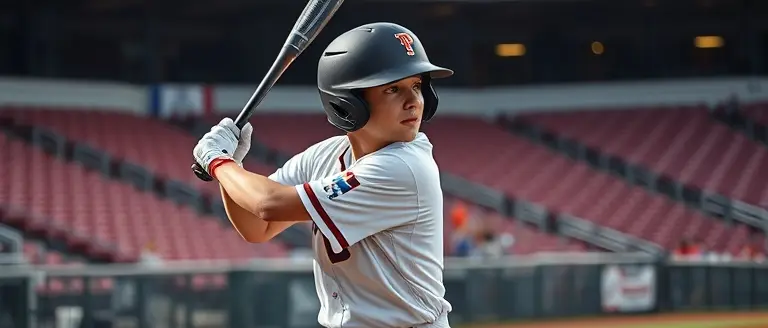
The journey of Trey Sweeney to the Detroit Tigers organization has been defined by high expectations and strategic organizational planning. Selected in the first round of the 2021 MLB Draft, Sweeney quickly established himself as a polished middle-infield prospect with a knack for consistent contact and steady defensive play. His transition from the collegiate ranks to professional baseball was marked by a steady climb through the minor leagues, where scouts identified him as a potential long-term solution at shortstop. By the time he entered the trade conversation, he had solidified his reputation as a player with the versatility and baseball IQ necessary to transition into a major league contributor.
The Strategic Trade and Future Outlook
The turning point in his professional career arrived during the 2024 trade deadline. In a move designed to balance the Tigers’ roster and address future needs, the organization acquired Sweeney from the Los Angeles Dodgers as a centerpiece in the deal involving veteran pitcher Jack Flaherty. For the Tigers, this trade was not merely a swap of assets; it was a clear investment in the franchise’s middle-infield future. Management viewed Sweeney as a cornerstone piece around which they could build their defensive core for the late 2020s.
Despite his career slash line of .202/.261/.313, the organization maintained confidence in his developmental arc, viewing the early stages of his MLB tenure as a period of necessary adjustment to high-velocity pitching and complex defensive shifts. Key aspects of his evaluation included:
- Positional Versatility: His ability to handle the demands of the shortstop position with range and a reliable arm.
- Developmental Ceiling: The belief that his plate discipline would improve as he gained more experience against seasoned major league starters.
- Trade Value: His role as the marquee return in the Flaherty deal, underscoring the high value the front office placed on his potential.
While the 2026 season-ending shoulder surgery presents a significant hurdle, it is viewed as a pause rather than a conclusion. The organization remains committed to his rehabilitation, with the expectation that he will return to form in 2027 to reclaim his status as a key component of the Tigers’ long-term roster construction.
Immediate Impact on the Tigers’ Shortstop Position

The loss of Trey Sweeney for the remainder of the 2026 season creates a significant vacuum in the Detroit Tigers infield, forcing manager A.J. Hinch to recalibrate his defensive strategy during a critical stretch of the campaign. Since the trade that brought Sweeney to Detroit from the Los Angeles Dodgers in 2024, the organization viewed him as a vital piece of their middle-infield depth. His absence due to season-ending arthroscopic surgery on his right shoulder does more than just remove a player from the lineup; it disrupts the defensive continuity that the coaching staff has spent months refining. Without a clear incumbent, the Tigers now face the challenging prospect of shuffling personnel to maintain stability at a high-leverage defensive position.
Strategic Challenges and Roster Adjustments
The immediate impact on the Tigers’ roster depth cannot be overstated. With Sweeney sidelined, the coaching staff must navigate several complex hurdles to maintain production and defensive consistency:
- Defensive Versatility Strained: The team is now forced to rely on utility players or internal prospects to fill the void, which inherently puts more pressure on the remaining infield core to maintain range and defensive efficiency.
- Offensive Production Deficit: While Sweeney was working to improve his career slash line of .202/.261/.313, his absence removes a contact-oriented presence from the bottom half of the batting order, forcing other hitters to compensate for the missing production.
- Middle-Infield Continuity: Defensive alignment requires significant chemistry between the shortstop and the second baseman. Constant rotation at the position to find a reliable replacement may lead to increased communication errors and decreased range up the middle.
Moving forward, the front office will likely evaluate external options via trade or waiver claims to provide a temporary bridge until Sweeney returns for the 2027 season. However, for the remainder of 2026, the priority shifts toward identifying which internal assets can stabilize the position while minimizing the impact on the team’s overall defensive metrics. The challenge for Hinch will be balancing long-term developmental goals for younger players against the immediate necessity of winning games as the season progresses.
What’s Next: Exploring Organizational Depth and Replacement Options
The announcement that Trey Sweeney will undergo season-ending arthroscopic surgery on his right shoulder creates an immediate void in the Detroit Tigers infield. While the organization had high hopes for the 26-year-old following his acquisition in the 2024 trade for Jack Flaherty, the front office must now pivot to address the shortstop position with a focus on both short-term stability and long-term organizational health. Managing this transition will be critical for A.J. Hinch as he navigates the remainder of the 2026 campaign.
Evaluating Internal Roster Depth
The Tigers must now look internally to fill the gap left by Sweeney’s absence. Given the current roster construction, the team may employ a “committee” approach or lean on versatile utility players to maintain defensive consistency.
Key strategic considerations include:
- Internal Utility Promotion: Utilizing players who have demonstrated flexibility at the middle infield positions to absorb the majority of defensive innings.
- Prospect Evaluation: The front office may choose to accelerate the timeline for younger talent currently in the upper levels of the minor leagues, providing them with essential Major League experience.
- Defensive Stability: Prioritizing players who provide reliable glove work to support a pitching staff that has leaned heavily on defensive efficiency.
The loss of Sweeney—who holds a career slash line of .202/.261/.313—is a significant blow to the team’s developmental timeline. However, the organization remains focused on his successful rehabilitation, with expectations for a full return to competitive baseball by the start of the 2027 season. The front office’s decision-making in the coming weeks will reveal whether they intend to lean on current depth or explore external avenues to bolster the infield, balancing the necessity of immediate competitiveness against the future growth of the franchise.
Mastering the Mental Game During Recovery
The path back to the diamond for Trey Sweeney is now firmly set for 2027, but the time between now and his return will be the true test of his professional development. Whether you are an elite athlete navigating a long-term injury or a high-performer striving for excellence in any competitive field, the ability to maintain cognitive sharpness when you cannot physically train is what separates the legends from the rest. The loss of physical routine often leads to mental fog, which can delay progress and hinder the intense focus required to study the game from the sidelines.
This is where cognitive conditioning becomes a vital asset. Just as professionals use physical therapy to rebuild their bodies, they are increasingly turning to advanced tools to keep their minds primed for success. The Brain Song offers a unique, non-invasive solution designed to sharpen your mental focus and improve learning capacity during periods of downtime. By integrating this technology into your daily routine, you can ensure that when you return to your peak, your cognitive resilience is stronger than ever.
Don’t let your downtime become lost time. Elevate your recovery strategy and stay ahead of the curve by optimizing your mental clarity, ensuring you are prepared to perform at the highest level the moment you return to action.
 Discover how elite athletes and high-performers are using advanced auditory stimulation to sharpen their mental game during recovery.Transform My Focus Today!