

In mid-June 2026, the scientific community faces an unprecedented silence as the $368 million Ocean Observatories Initiative (OOI) begins its systematic dismantling. For over a decade, this sophisticated network of more than 900 sensors has served as the nervous system of our Atlantic and Pacific Oceans, providing the high-fidelity data essential for hurricane forecasting, maritime safety, and global climate modeling. As buoys off the Pacific Northwest are pulled from the water, we aren’t just losing hardware; we are dismantling a critical infrastructure of transparency and foresight that keeps our coastal economies and communities safe.
The removal of these sensors represents a retreat from precision-engineered observation in favor of uncertainty. Without this real-time stream of oceanic behavior, policymakers and industries are effectively navigating a storm blindfolded. This is not merely a budgetary footnote; it is a profound loss of the technical blueprints that define our modern environmental intelligence. As the data stream dries up, we must confront the dangerous consequences of abandoning complex systems that we have come to rely upon for stability and accuracy.
Understanding the Shutdown of the Ocean Observatories Initiative (OOI)
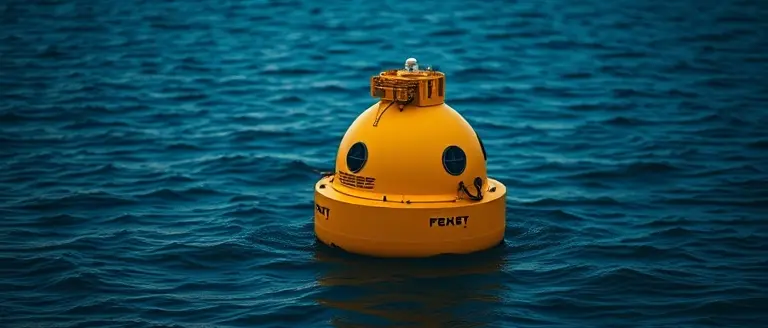
In early June 2026, a significant shift in oceanic research policy emerged as the Trump Administration announced a formal mandate to dismantle the Ocean Observatories Initiative (OOI). This massive infrastructure project, which represents a $368 million NSF-funded investment, has served as the backbone for American maritime data collection for over a decade. The directive involves the systematic decommissioning of a vast network comprising more than 900 individual sensors deployed across the Atlantic and Pacific Oceans. By removing these assets, the federal government is effectively silencing a critical stream of physical, chemical, geological, and biological data that has been foundational to modern climate modeling and marine science.
The decommissioning process is moving with notable speed, creating a logistical and scientific challenge for researchers reliant on these continuous data streams. The most immediate impacts are concentrated in the Pacific Northwest, where specialized buoy arrays positioned off the coasts of Oregon and Washington are scheduled for extraction by June 16, 2026. This rapid timeline has caught many in the scientific community off guard, particularly given the timing during the onset of the hurricane season, a period when real-time ocean data is typically considered most vital for public safety and disaster forecasting.
Scope and Scientific Implications
The scale of the OOI shutdown is unprecedented in recent environmental science history. The removal of these sensors entails several immediate consequences for domestic research and industry:
- Loss of Real-Time Monitoring: The cessation of data flows will create significant gaps in long-term climate records, hindering the ability of agencies to track ocean heat content and acidification rates.
- Forecasting Disruptions: Essential inputs for hurricane prediction accuracy and storm surge modeling will be compromised, potentially affecting the reliability of early warning systems.
- Industry Impact: Local fishing and shipping industries, which depend on accurate sea-state and temperature data to manage operations, face increased uncertainty regarding regional environmental conditions.
The decommissioning of the OOI marks a pivotal transition in how the United States approaches the observation of its vast oceanic borders, moving away from a persistent, automated sensor-based methodology toward an as-yet-undefined future framework.
Before vs. After: The Loss of Real-Time Oceanic Data
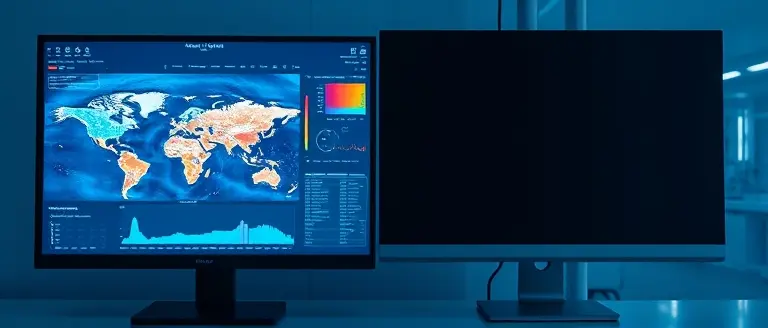
The decommissioning of the Ocean Observatories Initiative (OOI) marks a profound shift from a continuous, high-resolution monitoring state to a fragmented, low-frequency data landscape. For over a decade, this $368 million NSF-funded network acted as the nervous system of our oceans, providing real-time telemetry that allowed scientists to track physical, chemical, and biological shifts as they occurred. By pulling over 900 sensors—including critical buoys off the Pacific Northwest coast scheduled for removal by June 16, 2026—the scientific community is transitioning from a “live feed” model to one defined by sporadic, ship-based snapshots.
The Shift in Data Accessibility
The primary consequence of this transition is the loss of temporal density. Previously, OOI sensors enabled researchers to observe short-term, high-impact events such as rapid ocean acidification, harmful algal blooms, and subsurface thermal anomalies. Moving forward, data collection will rely heavily on intermittent vessel deployments, which introduces significant constraints:
- Temporal Gaps: Instead of second-by-second updates, data will now be collected in months-long intervals, making it impossible to capture transient weather phenomena.
- Economic Impact: Without real-time updates, hurricane forecasting accuracy may degrade, directly impacting the maritime, shipping, and local fishing industries that rely on precise ocean-surface data.
- Operational Expense: Ship-based research is exponentially more expensive than autonomous sensor arrays, meaning the total volume of data will likely decrease even as the cost per data point rises.
Evidence suggests that the move toward intermittent, ship-based data collection will severely limit our ability to calibrate climate models. While researchers may still gather information, the lack of continuous, year-round sub-surface monitoring creates “blind spots” in our understanding of ocean-atmosphere heat exchange. By dismantling this infrastructure, we are replacing a proactive, precision-based monitoring strategy with a reactive one, leaving policymakers and industries to navigate critical climate challenges with increasingly outdated information.
Impact on Hurricane Prediction and Climate Modeling
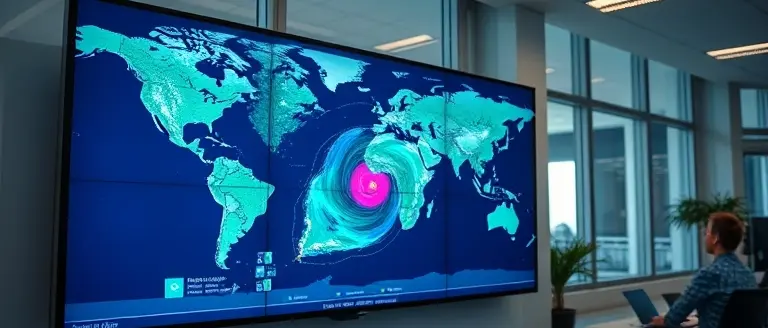
The systematic dismantling of the Ocean Observatories Initiative (OOI) represents a significant setback for real-time meteorological forecasting and long-term climate research. For over a decade, the network of more than 900 sensors served as the primary nervous system for monitoring the Atlantic and Pacific Oceans. By capturing continuous, high-resolution data on sea surface temperatures, salinity, and pressure gradients, these sensors provided the essential raw inputs required for accurate hurricane prediction models. Without the real-time telemetry from these oceanic nodes, meteorologists lose critical data points that identify the heat content of the upper ocean—the primary fuel source for intensifying hurricanes and tropical storms.
Critical Data Gaps in Storm Forecasting
The removal of key infrastructure, including buoys scheduled for decommissioning by June 16, 2026, creates an “observational blackout” that complicates the work of agencies responsible for issuing coastal warnings. Evidence suggests that the loss of this data will have several immediate and downstream impacts:
- Reduced Forecast Precision: With fewer sensors providing data on heat transfer between the ocean and atmosphere, the accuracy of storm intensity predictions is expected to decline.
- Degraded Climate Modeling: Regional climate projections rely on the longitudinal data supplied by OOI; gaps in this data hinder the ability of scientists to track shifts in ocean acidification and thermal expansion.
- Economic Vulnerabilities: Reduced warning windows for extreme weather events directly threaten the safety of coastal populations and disrupt the operational logistics of the fishing and shipping industries.
The scientific community notes that while satellite imagery remains available, it cannot replace the granular, subsurface “physical, chemical, geological, and biological” data captured by the OOI. The removal of these sensors effectively blinds researchers to the complex, below-the-surface variables that dictate the movement and severity of extreme weather events, making it significantly more difficult to provide localized, actionable intelligence to coastal communities during the peak of hurricane season.
Scientific Community Response and Long-Term Research Implications
The decision to dismantle the Ocean Observatories Initiative (OOI) has sparked immediate and intense opposition from the global scientific community. Experts warn that the removal of over 900 sensors, beginning June 16, 2026, creates a catastrophic “data gap” in our understanding of marine ecosystems. The National Academies have long emphasized that longitudinal data—observations collected consistently over years or decades—are the bedrock of accurate climate modeling. By terminating this $368 million network, researchers lose the ability to track subtle, long-term environmental shifts, effectively blinding scientists to the real-time responses of the Atlantic and Pacific Oceans to global warming.
Irreplaceable Losses in Research Capabilities
The implications of this decommissioning extend far beyond the loss of hardware; they represent a permanent break in the historical record of our planet’s health. Once the sensors are retrieved, the continuity of oceanic observation is severed, and the data lost in the coming months can never be reconstructed. Key areas of concern include:
- Carbon Sequestration: Scientists will lose critical monitoring tools that measure how much carbon dioxide is being absorbed by the ocean, a key metric in assessing the effectiveness of natural climate mitigation.
- Biological Productivity: Real-time data on phytoplankton populations and marine chemistry, which underpin the entire aquatic food web, will effectively vanish.
- Predictive Modeling: Without the high-resolution, multi-dimensional physical data provided by the OOI, regional climate models for the Pacific Northwest and beyond will suffer from decreased accuracy, directly impacting hurricane forecasting and storm surge predictions.
The scientific consensus suggests that the abrupt termination of the Ocean Observatories Initiative forces researchers into an reactive rather than proactive posture. Because these observational arrays provide “physical, chemical, geological, and biological” insights simultaneously, there is no single instrument capable of replacing the multi-disciplinary reach of the OOI. The resulting uncertainty in ocean health assessments threatens to impede policy decisions regarding shipping routes, commercial fishing management, and coastal infrastructure planning for the foreseeable future.
Restoring Precision in an Age of Uncertainty
The dismantling of the Ocean Observatories Initiative is a stark reminder of what happens when we abandon high-quality technical architecture. Whether it is the loss of oceanic data streams or the failure of a home renovation project, the common denominator is the same: without precise, expert-verified documentation, we are left to drift in a sea of guesswork and costly errors. We have seen the consequences of losing the ‘blueprints’ for our environment; it is time to ensure that, in our own personal and professional projects, we never find ourselves working with incomplete information again.
Just as these ocean observatories provided the essential data for climate shifts, having the right technical plans is the difference between a successful project and an abandoned failure. This is where Ted’s Woodworking becomes an indispensable asset. Much like the scientific precision required to monitor the depths of the Pacific, your projects deserve the clarity of verified, professional-grade technical plans. By accessing a library of over 16,000 plans, you eliminate the frustration of incomplete guidance and move forward with the total technical confidence that comes from working with a master-level roadmap.
Stop relying on fragmented information that leaves you guessing at the structural integrity of your builds. Invest in the precision documentation that ensures every project you undertake is built to last, verified for success, and perfectly executed from the first cut to the final finish.
 Don’t settle for incomplete data or ‘guesswork’ projects—access the world’s largest library of precision blueprints today and start your next build with total technical confidence.Transform My Projects Today!