

When the fairways of Muirfield Village morphed into a psychological gauntlet during the 2026 Memorial Tournament, the golfing world witnessed a rare glimpse behind the curtain of elite performance. Justin Thomas, typically known for his steely resolve, found himself describing the conditions as the hardest round he could ever remember. As gusty winds battered the field and greens turned into ‘crispy’ surfaces that resisted even the most delicate approach shots, the game ceased to be a simple contest of skill. It transformed into an endurance test, culminating in a poignant moment where Thomas leaned on playing partner Rory McIlroy—a stark reminder that even the world’s best reach their breaking point when the cognitive toll of high-stakes competition becomes overwhelming.
This ‘carnage’ at Muirfield provides a masterclass in why professional sports are won as much in the mind as they are on the links. Beyond the technical breakdowns of wind speed and green firmness, we must address the human factor: the specific erosion of focus that occurs when elite athletes are forced into a constant state of decision-making under duress. Understanding this mental fatigue is not just vital for spectators of the PGA Tour, but for any high-performer navigating their own version of a ‘hardest round’ in the boardroom or the office.
Justin Thomas and the Brutal Reality of Muirfield Village

The second round of the 2026 Memorial Tournament at Muirfield Village Golf Club will likely go down as one of the most punishing displays of professional golf in recent memory. On June 5, Justin Thomas navigated conditions that pushed even the world’s elite to their absolute limits, later characterizing the experience as the most difficult round of his storied career. A lethal combination of swirling, high-velocity winds and firm, “crispy” green complexes turned the legendary Jack Nicklaus design into a gauntlet of survival rather than a standard test of skill. The sheer lack of moisture in the putting surfaces meant that approach shots, regardless of launch angle or spin rate, struggled to hold the target, leaving the field to scramble for pars in a desperate battle against par.
The Human Toll of Professional Golf
Beyond the technical breakdown of club selections and wind adjustments, the narrative shifted toward the emotional burden inherent in the sport. During the height of the carnage, a viral moment captured Justin Thomas seeking a brief, grounding moment of camaraderie from playing partner Rory McIlroy. This instance of raw vulnerability resonated deeply with spectators, highlighting that beneath the clinical precision of PGA Tour pros lies a human need for perspective during periods of extreme professional frustration.
Key factors contributing to the difficulty included:
- Green Firmness: The “crispy” nature of the greens forced players to abandon aggressive scoring tactics in favor of defensive play.
- Environmental Volatility: Gusty wind patterns created inconsistent ball flights, making distance control nearly impossible.
- Psychological Pressure: The mounting difficulty caused a feedback loop where frustration hindered decision-making, compounding the physical struggle on the course.
By the time the round concluded, the contrast between Thomas’s usual composure and his visible distress underscored the severity of the Muirfield test. This moment stands as a poignant reminder that while fans often focus on the mechanics of a swing, the true battle in elite golf is frequently fought within the mind when course conditions reach their breaking point.
The Psychology of the ‘Impossible’ Course
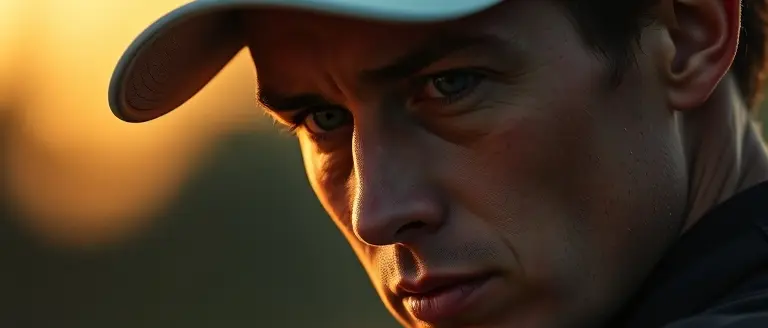
When professional golf conditions reach the point of “carnage”—as witnessed during the 2026 Memorial Tournament—the game shifts from a test of skill to an exercise in psychological endurance. For an elite athlete like Justin Thomas, the challenge at Muirfield Village was not merely about hitting a target, but managing the cognitive dissonance that occurs when perfect mechanics result in disastrous outcomes. When greens become “crispy” and wind gusts turn routine approach shots into wild guesses, a player’s internal narrative often shifts from confidence to survival, leading to the visible frustration that recently captivated the golfing world.
Managing Mental Fatigue Under Extreme Pressure
Elite professionals rely on a foundation of repeatable processes. However, when environmental factors render those processes ineffective, players face a rapid degradation of confidence. The human brain, even at the highest levels of the PGA Tour, struggles to remain composed when environmental variables defy logic. To maintain focus during these “impossible” rounds, pros utilize several coping mechanisms:
- Radical Acceptance: Recognizing that the course is playing outside of normal parameters to prevent irrational risk-taking.
- Segmented Goal Setting: Shrinking the focus to one shot or one hole at a time to minimize the impact of previous errors.
- Peer Support Systems: Leveraging camaraderie with playing partners—like the widely noted moment between Thomas and Rory McIlroy—to ground the player in reality and release pent-up emotional tension.
The viral images of Justin Thomas seeking support during the Memorial highlight an often-overlooked reality: the intense mental toll of professional competition. When external conditions border on unplayable, the primary opponent is often the golfer’s own ego. Maintaining equilibrium under such “insane” conditions requires more than physical prowess; it demands a psychological resilience that allows an athlete to navigate extreme professional adversity without succumbing to the compounding weight of their own expectations.
Solitary Struggles: The Reality of Finishing as a Solo Player

The unique format of starting a round as a solo player at a high-pressure event like The Memorial Tournament represents one of the most grueling mental tests in professional golf. For Justin Thomas, the transition from battling alongside peers like Rory McIlroy—where a simple gesture of solidarity could provide a necessary psychological reset—to navigating the Muirfield Village layout in isolation changed the dynamic of his performance. In a field where the course was already playing at its breaking point, the absence of a playing partner removes the social buffer that often helps elite athletes regulate their emotions. Without the natural rhythms of a standard grouping, the pace of play becomes relentless, forcing the golfer to dwell exclusively on their own internal narrative rather than engaging with the external progress of the field.
The Psychological Toll of Isolation
When conditions are deemed “insane” or the hardest in a player’s career, the camaraderie of a group is often the only thing preventing a total mental breakdown. As Justin Thomas navigated his third round alone, several critical factors compounded the intensity of his experience:
- Loss of Distraction: Playing partners provide a mandatory “off-switch” during the walk between shots; when playing solo, the mind is prone to ruminating on previous errors or the extreme speed of the greens.
- Accelerated Pacing: Solo play often forces a faster tempo, which can prevent an athlete from effectively recalibrating after a poor approach or a missed putt.
- Heightened Auditory Sensitivity: In the quiet of a solo round, the pressure of the gallery and the difficulty of the course become more pronounced, as there is no secondary focus to draw attention away from the “carnage” of the round.
Ultimately, the technical demand of Muirfield Village, combined with the lack of a peer to share the frustration, created an environment where mental fortitude was tested far more than physical skill. While the stats will reflect the scorecard, the true story of this round lies in the profound isolation of a professional golfer forced to contend with such brutal conditions completely on his own.
Beyond the Scorecard: Why Fans Resonate with Vulnerability

In professional golf, the traditional media landscape has long favored the “stoic professional”—a figure who absorbs pressure with a muted nod and a tight-lipped walk to the next tee. However, the recent performance of Justin Thomas at the 2026 Memorial Tournament signals a significant cultural shift. When conditions at Muirfield Village reached a breaking point, Thomas didn’t just display his frustration; he invited the audience into the visceral struggle of elite competition. By openly labeling the round the “hardest” of his career and leaning on peers like Rory McIlroy for support, Thomas dismantled the sterile, robotic facade often associated with the PGA Tour.
The Power of Authentic Human Moments
The viral nature of these moments suggests that modern fans are increasingly seeking authenticity over perfection. When an athlete of Thomas’s caliber admits to being pushed to the brink by gusty winds and “crispy” greens, it humanizes the sport, transforming a technical pursuit into a relatable narrative. This shift in sports media benefits the game in several ways:
- Emotional Accessibility: Fans identify with the struggle to maintain composure under extreme duress, making the eventual triumphs or failures more impactful.
- Breaking the “Perfect” Myth: High-level golf is often viewed as untouchable; admitting that a course is “insane” validates the difficulty of the sport for amateur players.
- Camaraderie Over Competition: The supportive interaction between Thomas and McIlroy highlighted a side of the tour rarely seen in score-based reporting, showing that even the fiercest rivals share the heavy psychological load of high-stakes play.
Ultimately, this vulnerability creates a deeper connection between the audience and the player. Instead of focusing solely on the final scorecard, fans are now prioritizing the “human side of professional sports.” By viewing Justin Thomas as a person navigating the mental and physical carnage of a brutal tournament, the community finds a more profound appreciation for the sheer grit required to play at the highest level.
Master Your Own Mental Momentum
The struggle faced by Justin Thomas at the Memorial Tournament highlights a universal truth: when external conditions become volatile, our internal cognitive bandwidth is the first resource to be depleted. Whether you are navigating a high-pressure corporate environment or striving for athletic perfection, maintaining mental clarity when the ‘course’ becomes impossible is the ultimate differentiator between those who crumble and those who endure.
Just as elite pros struggle to maintain cognitive composure when the pressure mounts, everyday high-performers often find their mental focus hitting a wall. This is exactly where sound-based neuro-optimization acts as a critical bridge. By incorporating specialized cognitive conditioning, you can train your brain to remain resilient, effectively clearing the fog of mental fatigue that often clouds your best efforts. Much like a professional golfer practices their swing to ensure consistency, you must treat your mental resilience as an essential, trainable tool.
You don’t need to endure a professional golf tournament to understand the need for sharper focus. By adopting the same precision-based mental strategies used by top athletes, you can eliminate cognitive barriers and elevate your daily performance to an elite level. It is time to stop reacting to the pressure and start mastering it.
 Discover how to sharpen your focus and eliminate mental fatigue with the same precision top athletes use to stay in the game.Transform My Mental Performance Now!