
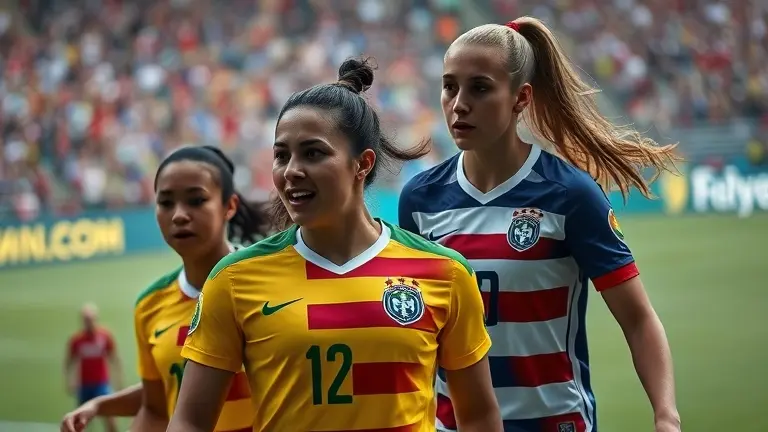
The soccer world is buzzing with brazil vs usa discourse, as social media overflows with conflicting reports about Olympic legacies, 2026 World Cup venues, and the current state of the USWNT. For many, it has become nearly impossible to separate the high-stakes intensity of past gold medal showdowns from the reality of today’s tactical friendly matches. Are we witnessing a historic rivalry revived, or simply the natural evolution of two footballing powerhouses testing their depth?
Amidst this noise, the spotlight shines brightly on the current roster. From the explosive speed of Trinity Rodman to the tactical brilliance of Sophia Wilson, the usa vs brazil narrative is shifting toward a new generation. Yet, for the average fan, navigating this ocean of data—from broadcast logistics to roster rotations—requires more than just passion; it demands a clear head. In this guide, we cut through the confusion to distinguish genuine tournament hype from the tactical experimentation of international friendlies.
Brazil vs. USA: Decoding the Current Soccer Rivalry Hype
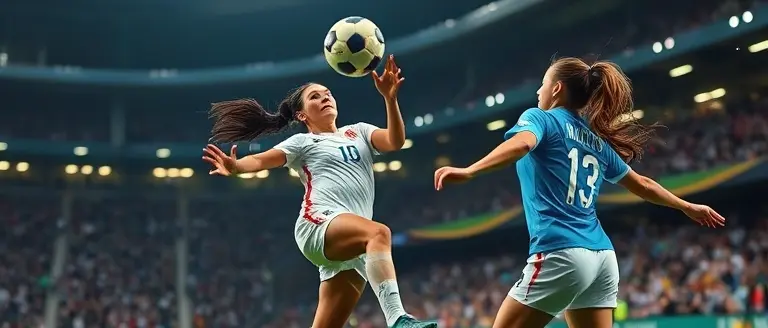
The current surge in discourse surrounding brazil vs usa is a fascinating blend of real-time roster excitement and historical nostalgia. Much of the recent online buzz originates from high-intensity friendlies, which have allowed fans to witness the new era of the USWNT. Unlike the pressure-cooker environment of past Olympic gold medal matches, these modern fixtures serve as vital testing grounds for emerging talent. Fans frequently conflate these international friendlies with historical tournament data, creating confusion regarding the current head-to-head records. To clarify, while the USA vs Brazil rivalry remains one of the most storied in women’s soccer, today’s matches are primarily focused on tactical development rather than immediate podium placement.
Key Factors Driving the Current Conversation
- The ‘Triple Espresso’ Impact: Social media momentum is largely fueled by the chemistry of Trinity Rodman, Sophia Wilson, and Mallory Swanson. Their offensive synergy has redefined the USWNT attacking identity.
- Historical Fact Check: While fans often reminisce about past Olympic clashes, it is critical to distinguish between championship-level stakes and the developmental objectives of current international windows.
- Infrastructure Debates: The rivalry narrative has spilled into local discourse, specifically concerning the 2026 World Cup. Discussions regarding the Rose Bowl as a host site often cite the venue’s history with high-profile Brazil vs USA matchups to advocate for its inclusion in the upcoming tournament.
By separating the “hype” of recent friendly performances from the historical legacy of the program, it becomes clear that the current uswnt vs brazil dynamic is about long-term growth. The focus remains on how players like Trinity Rodman continue to evolve in high-pressure environments, providing a glimpse into the team’s readiness for future global cycles. As the conversation shifts toward the 2026 World Cup, understanding this distinction ensures that supporters can accurately track the progress of the national team without falling for common social media myths.
USWNT Roster Spotlight: The Impact of Rodman and Wilson

The current tactical evolution of the USWNT centers heavily on a high-octane offensive transition, spearheaded by the dynamic presence of Trinity Rodman and the return of Sophia Wilson to elite-level play. As the usa vs brazil rivalry intensifies, these two players have emerged as the primary catalysts for breaking down structured defenses. Rodman’s explosive pace on the flank provides the team with a vertical threat that forces opposing backlines to drop deep, creating vital pockets of space for the rest of the attacking unit. Her ability to operate in one-on-one situations is a central component of the team’s strategy, often serving as the primary outlet during high-pressure defensive transitions.
Tactical Synergy and Offensive Impact
The reintegration of Sophia Wilson into the starting XI has added a clinical edge to the us women’s soccer attack that was previously missing. Wilson’s movement off the ball, coupled with her clinical finishing, complements Rodman’s raw athleticism, forming a dual-threat dynamic that has social media abuzz. When comparing these tactical developments to historical matchups, it is clear that this iteration of the team relies less on sheer physicality and more on the technical chemistry between this core attacking group. Key performance markers for this duo include:
- Spatial Awareness: Their ability to manipulate defensive shapes, forcing the Brazilian backline to commit to wide areas while leaving the center exposed.
- Transition Speed: Both players serve as the primary engines for rapid counter-attacks, which remain the team’s most effective tool against aggressive opposition.
- Positional Versatility: Their tactical flexibility allows the coach to shift formations mid-match without compromising offensive output.
As the squad prepares for upcoming fixtures, the performance of these two stars remains the barometer for success. Their influence extends beyond mere goal contributions; they dictate the tempo of the game and force opponents to prioritize defensive shape over offensive ambition. For fans monitoring the uswnt vs brazil narrative, tracking the synergy between Rodman and Wilson is essential to understanding the team’s current trajectory toward future tournament success.
Broadcast Guide: How to Watch the Latest USWNT vs. Brazil Matchup
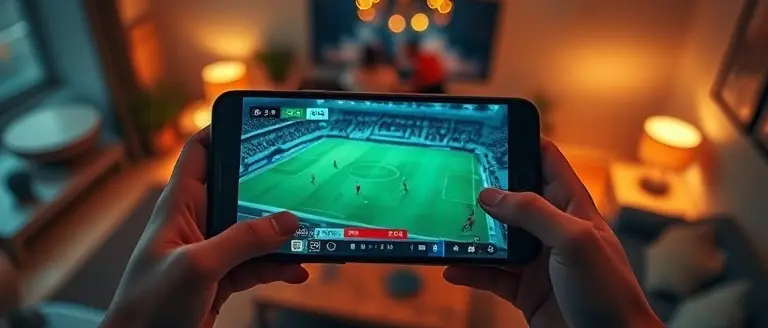
Staying updated on the uswnt vs brazil fixture requires a proactive approach, especially as international friendly schedules often shift to accommodate global travel and training camp windows. Because these matches do not always fall within standard league broadcast blocks, fans should prioritize official network apps and real-time social media alerts from the U.S. Soccer federation. Major networks like TNT Sports, TBS, and their digital counterparts typically hold the primary broadcast rights for domestic fixtures, while streaming services such as Max often provide comprehensive live stream coverage. To ensure you never miss a kickoff, utilize the following broadcast strategy:
Tracking Match Logistics and Kickoff Times
International friendlies involving the USA vs Brazil rivalry often involve significant time zone differences, particularly when matches occur in South American host cities. Fans should rely on the official U.S. Soccer match center for the most accurate, localized start times. Key broadcast channels frequently rotate, so checking the specific programming grid for US women’s soccer coverage at least 48 hours before the event is recommended.
- Official Streaming Partners: Check for live access via platforms like Max or the B/R Sports Add-On, which frequently simulcast high-profile international tests.
- TV Networks: Primary national coverage is often anchored by TNT or linear sports partners; always verify your local provider’s schedule.
- Real-Time Updates: Follow U.S. Soccer’s verified social channels on X (formerly Twitter) for live links and any last-minute scheduling changes.
By monitoring these platforms, you can effectively track the form of stars like Trinity Rodman and Sophia Wilson as they continue to dominate the pitch. Whether you are tuning in to see the latest tactics from the “Triple Espresso” attacking trio or following the buildup to major tournament cycles, staying informed through these verified channels is the only way to avoid missing high-stakes brazil vs usa action.
A Historical Timeline: Separating Friendlies from Major Tournaments

The rivalry between the USWNT and Brazil has become a focal point of modern international soccer, yet social media discourse often conflates high-stakes tournament finals with contemporary friendly exhibitions. To understand the current brazil vs usa narrative, fans must distinguish between legacy-defining matches and the tactical preparation cycles of the modern game. While recent matchups have garnered significant attention due to the electric chemistry of the “triple espresso” trio—featuring Trinity Rodman, Sophia Wilson, and Mallory Swanson—these fixtures remain exhibition games, distinct from the intense pressure of Olympic gold medal contests.
Distinguishing Major Tournament Clashes
Historical records indicate that the most significant friction between these two nations stems from Olympic history. Key encounters include:
- 2004 Athens Olympics: A defining moment where the U.S. secured gold in a tense final against Brazil.
- 2008 Beijing Olympics: Another high-stakes victory for the United States, further cementing the rivalry.
- 2011 FIFA Women’s World Cup: A dramatic quarter-final encounter that remains one of the most-watched matches in the sport’s history, often erroneously cited in current discourse as a gold medal match.
Clarifying the Modern Friendly Cycle
In contrast, recent usa vs brazil fixtures function as vital testing grounds for new tactical systems. These friendlies allow coaching staffs to integrate younger talent and experiment with roster depth ahead of upcoming tournament cycles. Unlike the knockout matches of the past, these games prioritize team chemistry and individual player development over total trophy outcomes. Fans viewing match highlights or social media updates should note that while the intensity matches the spirit of a major tournament, the technical focus of the us women’s soccer squad remains on long-term preparation rather than the immediate, binary stakes of a gold medal final. By separating these exhibition results from the weight of historical tournament history, fans can better appreciate the strategic evolution of both the American and Brazilian programs.
Master the Complexity of the Beautiful Game
As we have explored, the current fervor surrounding the uswnt vs brazil matchups is a mix of legitimate tactical progression and historical nostalgia. Whether you are tracking the individual growth of players like Trinity Rodman or attempting to decipher the complexities of the current international cycle, one thing is clear: the modern fan needs more than just a match schedule—you need cognitive precision.
Just as the USWNT players need peak mental acuity on the pitch to navigate high-stakes defensive lines, you need a sharp, clear mind to cut through the misinformation surrounding these rivalries. This is where The Brain Song becomes your ultimate performance enhancer. By helping you maintain focus and cognitive clarity, it ensures that when you dive into complex stats or historical timelines, you are not just watching the game—you are analyzing it with the insight of an expert.
We designed this guide to keep you ahead of the curve, and The Brain Song is the natural next step to sustain that analytical edge. Don’t let mental fog cloud your sports experience; optimize your brain for the deep-dive analysis you crave.
 Unlock your peak analytical focus: try The Brain Song’s 12-minute audio routine before your next match-day deep dive.Sharpen My Analytical Focus Now!