

With the 2026 FIFA World Cup fast approaching, excitement is reaching a fever pitch. However, for the millions of American fans planning to cross the border, the recent U.S. Embassy Mexico travel warning has added a layer of complexity to the trip. While government advisories serve as essential high-level alerts, they often leave travelers feeling more anxious than prepared. Understanding that safety is not about avoiding travel entirely, but about strategic, granular risk mitigation, is the key to enjoying this historic tournament with confidence.
This guide moves beyond generic warnings to provide a tactical framework for navigating Mexico’s host cities. By focusing on professional logistics, vetted accommodation, and proactive situational awareness, we aim to transform the uncertainty surrounding current advisories into a structured plan for your journey. Whether you are navigating transit hubs or settling into your hotel, your security is a product of your preparation, and being ready is the ultimate defense against the unexpected.
Understanding the 2026 FIFA World Cup Travel Advisory
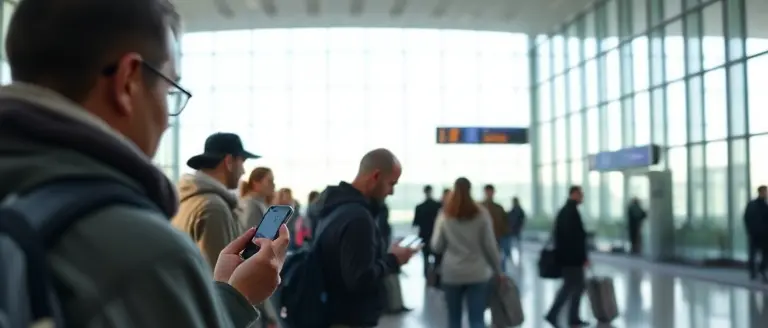
As millions of American soccer fans prepare to cross the border for the 2026 FIFA World Cup, the U.S. Embassy Mexico travel warning has become a central point of discussion. It is essential to clarify that the current advisory issued by the U.S. State Department is a standard protective protocol for major, high-profile international events rather than a travel ban or a restrictive measure. The Department regularly issues updated guidance for mass-gathering events to ensure that citizens remain cognizant of the regional security landscape, which includes localized crime and potential civil instability. By emphasizing “increased caution,” authorities aim to provide a framework for situational awareness rather than discouraging participation in the tournament.
Distinguishing Standard Protocols from Travel Bans
The advisory serves as a proactive measure to manage the risks inherent in large-scale international tourism. Rather than suggesting that travel is prohibited, the guidance urges fans to focus on personal safety and logistical preparedness. Understanding this distinction is vital for spectators, as the government’s goal is to ensure that American travelers are well-equipped to navigate host cities effectively. The following points highlight why these alerts are issued in the lead-up to the World Cup:
- Heightened Visibility: Large events draw significant crowds, which can inadvertently increase the risk of petty crime or opportunistic theft in tourist-heavy zones.
- Logistical Security: Host cities may experience shifts in traffic, infrastructure usage, and local emergency response times during match days.
- Information Reliability: The advisory serves as an official channel for verified security updates, which helps counter misinformation—such as unsubstantiated rumors regarding international political interference—that often circulates during high-interest global events.
For fans planning their trip, the guidance encourages staying informed through official embassy channels and focusing on verified, data-backed security practices. By maintaining a neutral, prepared approach, travelers can better enjoy the festivities while mitigating risks through informed decision-making and reliable communication strategies.
City-by-City Safety Analysis: Navigating Host Destinations
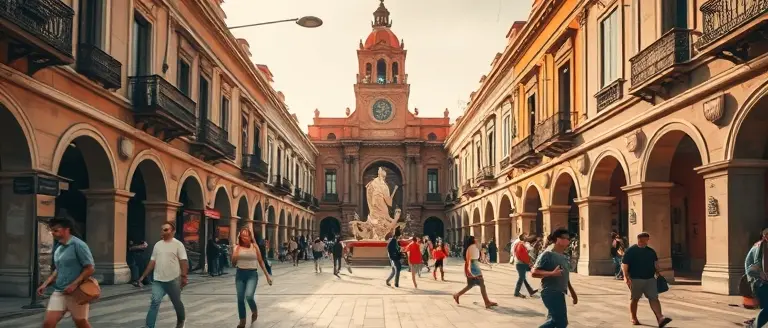
When reviewing the latest u.s. embassy mexico travel warning, it is essential to distinguish between general regional volatility and the specific environments of the 2026 FIFA World Cup host cities. Mexico City, Guadalajara, and Monterrey are focal points for international tourism, and authorities are implementing heightened security perimeters around stadiums and major fan zones to mitigate risks associated with common street crime. While the State Department maintains broad advisories for Mexico, the host cities offer robust tourist infrastructure that, when navigated with situational awareness, remains significantly safer than surrounding rural or high-risk transit corridors.
Strategic Insights for Host Cities
To ensure a secure experience, travelers should prioritize staying within established event districts and utilizing vetted transportation services.
- Mexico City (CDMX): As the primary hub, CDMX benefits from an intensive police presence. Stick to high-traffic districts like Polanco, Roma, and Condesa. Avoid wandering into peripheral neighborhoods at night and rely on app-based ride-sharing services rather than hailing street taxis.
- Guadalajara: Security protocols are concentrated near the stadium and central historic areas. While the city remains a vibrant destination, visitors should avoid unlit, non-tourist sectors and refrain from displaying expensive electronics or excessive cash in public.
- Monterrey: Known for its industrial character, Monterrey’s hosting zones are highly monitored. Travelers should minimize travel outside the city limits and ensure all movements between the airport and hotels are pre-arranged through reputable hospitality providers.
By maintaining a “hub-and-spoke” approach—staying within the secured event bubble and limiting travel to unauthorized areas—visitors can significantly reduce their risk profile. Always verify your route before departing and stay informed by monitoring local news updates and official U.S. State Department communications throughout the duration of your stay.
Risk-Mitigation Strategies for U.S. Fans
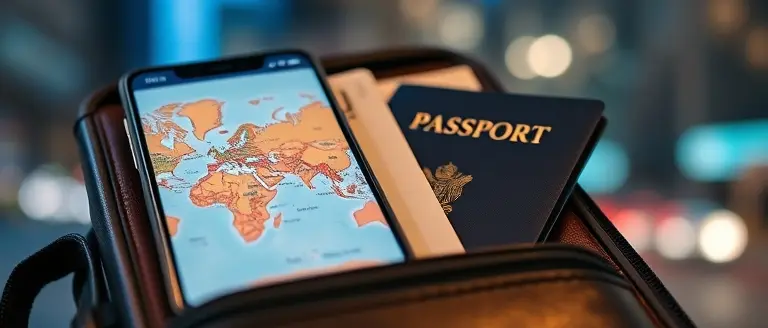
As excitement builds for the 2026 FIFA World Cup, the U.S. Embassy Mexico travel warning serves as a vital reminder to prioritize personal safety while enjoying the tournament. Proactive planning is the most effective tool for mitigating risk. Visitors should focus on maintaining a low profile by avoiding flashy jewelry, expensive electronics, and branded tournament merchandise when navigating areas outside of high-security fan zones. Situational awareness remains your greatest asset; always remain conscious of your surroundings, avoid using your phone while walking, and steer clear of demonstrations or large, unscheduled crowds. When moving between venues, rely exclusively on official transportation providers, pre-arranged hotel shuttles, or reputable ride-sharing apps, as these services offer digital records of your route and driver information.
Practical Steps for Secure Travel
To further enhance your safety profile, implement these specific behavioral strategies during your stay:
- Limit Nighttime Travel: Whenever possible, restrict your movement to daylight hours, especially when navigating outside of major metropolitan tourist corridors.
- Identify Consular Resources: Before arrival, pin the location of the nearest U.S. Consulate or Embassy branch on your digital maps. Keep their emergency contact number saved in your phone and written on a physical card in your wallet.
- Register with STEP: Enroll in the Smart Traveler Enrollment Program (STEP) via the Department of State website. This ensures that the embassy can reach you with real-time updates and security alerts specific to your host city.
- Vetted Accommodations: Opt for well-known international hotel chains located in secure, well-lit districts. Ensure your lodging has 24-hour security personnel and verifiable check-in protocols.
By following these guidelines, you can significantly reduce your vulnerability. Remember that general regional security concerns fluctuate; continuously monitor local news and the official U.S. State Department website to adjust your plans according to the latest developments in your specific host city. Remaining informed and cautious allows fans to enjoy the spirit of the tournament while adhering to necessary security precautions.
Essential Safety Resources and Emergency Protocols

Navigating a u.s. embassy mexico travel warning during a high-profile event like the 2026 FIFA World Cup requires proactive preparation. Before departure, every American fan should prioritize digital security and government coordination. The most effective tool for real-time safety is the Smart Traveler Enrollment Program (STEP), a free service provided by the U.S. Department of State. Enrolling in STEP allows the nearest U.S. Embassy or Consulate to contact you in case of a natural disaster, civil unrest, or family emergency. To register, simply visit the official STEP website (step.state.gov), input your travel dates, specific Mexican host cities you will visit, and current contact information. This ensures you receive the latest security alerts and location-specific updates directly to your email or mobile device.
Emergency Response Procedures
If you encounter a crime or find yourself in a dangerous situation while traveling for the World Cup, knowing the correct hierarchy of communication is vital. Immediate physical safety is the priority; vacate the area if possible and seek a secure public space. Once safe, follow these procedural steps:
- Contact Local Authorities First: For immediate medical or police emergencies, dial 911 in Mexico. While local response times can vary by host city, this is the primary channel for on-the-ground support.
- Notify the U.S. Embassy: Once you are physically secure, report the incident to the nearest U.S. Embassy or Consulate. Consular officers can assist in replacing lost or stolen passports, providing a list of local attorneys or medical providers, and facilitating communication with family in the United States.
- Keep Documentation: Maintain digital and physical copies of your passport, World Cup ticket documentation, and hotel reservation info in a secure, encrypted cloud folder. This significantly expedites the process of verifying your identity during an emergency.
- Monitor Official Channels: Follow the verified U.S. Embassy Mexico social media accounts for updates on regional instability or protest activity, which can shift rapidly during large-scale sporting events.
By maintaining awareness and utilizing these established diplomatic resources, U.S. citizens can mitigate risks and focus on the tournament experience.
Master Your Environment with Proven Precision
As we have explored, a successful experience at the 2026 World Cup hinges on replacing vague concerns with concrete, actionable data. True security for the modern traveler—or the modern homeowner—is never a matter of luck; it is a direct result of meticulous, verified preparation. When the stakes are high, relying on guesswork is a risk you cannot afford to take, whether you are traversing an international border or planning a complex construction project at home.
Just as a professional traveler avoids hazards by relying on detailed, granular safety protocols, a smart builder avoids error-prone projects by utilizing workshop-tested, step-by-step blueprints. This is why we recommend Ted’s Woodworking. Much like the safety handbook we’ve mapped out for your travels, this massive library of 16,000 precision-engineered plans eliminates trial-and-error, ensuring that every project you undertake is built on a foundation of verified, professional-grade accuracy. It is the ultimate tool for those who prefer to be proactive and prepared rather than reactive and overwhelmed.
By investing in proven blueprints, you are essentially securing your ‘base of operations’ at home with the same level of rigorous detail you demand for your global travels. Take control of your projects and eliminate the uncertainty that comes with unvetted designs. Equip yourself with the only resource that guarantees professional results every single time.
 Build your own secure base of operations at home with the same level of preparation you’d bring to your travels; get access to 16,000 tested plans here.Secure My Plans Now!